
Size
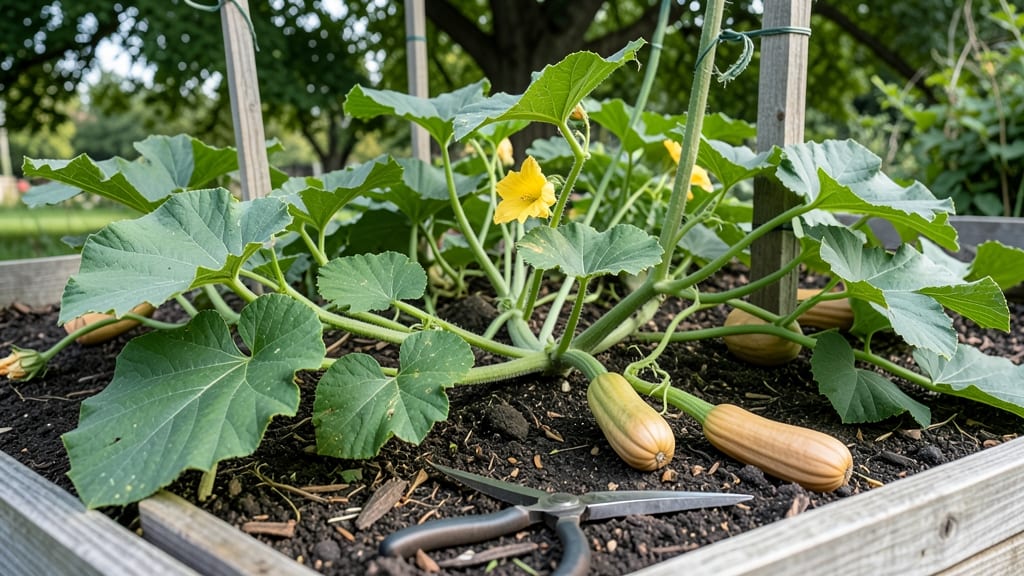
Growing a long squash that reaches 5 feet tall transforms sprawling vines into a vertical feast—though I learned the hard way these giants need more than just space. The difference between a flopped mess and a thriving vertical garden comes down to preparation.
These squashes thrive when given sturdy trellises or cages that can handle 20-30 pounds per vine. Loamy, well-draining soil rich in compost gives them the strength to support heavy fruits like Hubbard or Straightneck varieties. Water consistently at the base—never overhead—to prevent rot and keep vines climbing steadily.
By mid-summer, you’ll watch foot-long fruits dangle like nature’s lanterns, their skin hardening under the sun. The real magic happens when you harvest: fresh, homegrown squash that outshines anything from the store. Just be ready to stake or tie vines as they grow—those 5-foot vines don’t support themselves!
Perfect for small spaces or urban gardens where sprawl isn’t an option. With the right setup, you’ll turn a corner of your yard into a lush, productive vertical display. Let’s get those vines climbing!
📚 In This Guide
- What you need
- Instructions
- Tips and common mistakes
- Wrapping up and next steps
What you need
- ● Squash Seeds: Choose vining varieties like 'Delicata,' 'Butternut,' or 'Spaghetti Squash' (3-5 seeds per plant).
- ● Vertical Trellis or Cage: A 5-foot-tall sturdy trellis (e.g., A-frame, tomato cage, or DIY PVC frame).
- ● Potting Mix: 10-12 gallons of well-draining, organic mix (add perlite or compost for fluffiness).
- ● Containers: Large pots (18"+ diameter) with drainage holes or fabric grow bags.
- ● Support Stakes/Ties: Soft plant ties or Velcro straps (10-15 pieces).
- ● Fertilizer: Balanced organic fertilizer (5-5-5 or compost tea) or slow-release pellets.
- ● Watering Can or Hose: With a gentle spray nozzle for hydration.
- ● Garden Gloves (to protect hands from prickly vines).
- ● Pruning Shears (for trimming excess growth).
- ● pH Test Kit (ideal soil pH: 6.0–6.8).
- ● Sunlight Access: 6+ hours of direct sun daily (south-facing spot is ideal).
- ○ Mulch (Optional): Straw or shredded leaves to retain moisture.
- ○ Row Cover (Optional): For early-season frost protection.
Step-by-step instructions for growing towering vine squash
Here's how to coax those dramatic, 5-foot vines into producing abundant fruit while keeping your garden organized and space-efficient.
Select and Prepare the Right Varieties
Choose long-vined squash varieties like 'Straightneck,' 'Butternut,' or 'Delicata'—these naturally climb and produce fruit along extended vines. Avoid bush types like zucchini, which max out around 3 feet. I always opt for heirloom seeds because they tend to grow taller and produce more consistent vines.
Start seeds indoors 4-6 weeks before your last frost date in biodegradable pots (like peat or coconut fiber) to avoid disturbing roots later. Use a seed-starting mix with perlite for drainage. Plant 2-3 seeds per pot at ½-inch depth—you'll thin to the strongest seedling later. Keep the soil at 75-80°F for optimal germination, which typically occurs in 7-14 days.
Once seedlings develop 2-3 true leaves, transplant them outdoors after hardening off for 7-10 days. Harden off by gradually increasing outdoor exposure from 1 hour to full sun over a week. This prevents transplant shock and encourages vigorous vine growth.
Install a Vertical Trellis System
Before planting, install a strong trellis or tower system at least 6 feet tall—squash vines can easily reach this height with proper support. I use wooden lattice panels or metal cages wrapped in burlap or netting for grip. The trellis should be staked firmly into the ground or anchored to a freestanding frame to withstand wind.
Plant your seedlings 6-8 inches from the trellis so vines can easily reach the support. Use 5-gallon containers or raised beds if space is limited, as squash roots spread widely. Mix compost and aged manure into the soil to provide nutrients for the long growing season. Avoid fresh manure, which can burn tender roots.
Train the main vine upward by gently tying it to the trellis with soft twine as it grows. Let 2-3 lateral vines develop from the main stem—these will produce most of your fruit. Prune any additional lateral shoots to focus energy on the primary vines. This ensures stronger growth and larger yields.
Water and Fertilize for Maximum Growth
Water deeply 2-3 times per week, aiming for 1-2 inches of water per week, especially during flowering and fruiting. Squash vines are thirsty but hate soggy soil—water at the base of the plant in the morning to reduce disease risk. Mulch with straw or shredded leaves to retain moisture and suppress weeds, which compete for nutrients.
Fertilize every 2-3 weeks with a balanced organic fertilizer (like 5-5-5) or compost tea to encourage vine growth. Stop fertilizing 4-6 weeks before harvest to allow the fruit to sweeten. I also side-dress with aged compost mid-season to replenish nutrients without overfeeding.
Watch for yellowing leaves, which signal overwatering or nutrient deficiency. Adjust watering if the soil feels too wet, or add a potassium-rich fertilizer if leaves show brown edges. Healthy vines should have dark green, glossy leaves and strong, hairy stems.
Prune and Manage Fruit for Towering Success
Prune excessive lateral vines to 2-3 per main stem to prevent overcrowding and improve air circulation. Remove any yellow or diseased leaves immediately to keep the plant healthy. I also thin fruit to 1-2 per vine once they reach 6-8 inches long—this ensures larger, higher-quality squash.
Harvest when squash reaches full size but before seeds harden—this varies by variety. For example, straightneck squash is ready at 8-10 inches, while butternut should be 1-2 pounds. Cut with a sharp knife, leaving 1 inch of stem to prevent rot. Harvesting promptly encourages more fruit production.
If vines stop growing or leaves yellow, check for pests like squash bugs or cucumber beetles. Handpick eggs or use neem oil as a natural deterrent. A row cover can also protect young plants from early-season pests. With proper care, your 5-foot vines will produce a bounty of squash while keeping your garden tidy and vertical.
Tips & tricks for perfect vertical vine squash growth
Here's what nobody tells you about cultivating squash vines that reach their full dramatic potential—without sacrificing yield or health.
Seed Starting Strategy: The 4-6 week indoor starting window is non-negotiable for tall varieties, but I've found that using a heat mat set to 80°F speeds germination from 14 days down to 7-10 days. Place your biodegradable pots directly on the mat—the consistent warmth mimics summer conditions and gives you a head start. Once seedlings show 2-3 true leaves, resist the urge to transplant too early; let them fill out their pots completely before moving outdoors.
Trellis Training Technique: When training vines to your 6-foot trellis, I recommend using soft plant ties rather than twine—they're gentler on tender stems and won't leave permanent marks as the vine thickens. The key is to tie only at the first true leaves, then again at each subsequent growth node. Never tie at leaf junctions, as this can strangle the vine. For extra support, I weave the main vine through the trellis lattice rather than tying it—this creates natural support points as the vine grows.
Watering Wisdom: The 2-3 times per week guideline works, but timing matters more than frequency. I water my towering squash vines using a soaker hose placed at the base of the plant in the morning—never overhead. This mimics natural rainfall patterns and prevents fungal issues that thrive in damp foliage. The goal is to keep the soil consistently moist but never soggy; stick your finger 2 inches down—if it's dry, water. If it's damp, wait another day.
Pruning Precision: When thinning fruit to 1-2 per vine at 6-8 inches, I look for squash with the thickest stems and most uniform shape. The larger the fruit, the more energy the vine diverts from vine growth. I also remove any male flowers (the ones with long stems) that don't have fruit developing—these sap energy from the plant. For varieties like butternut, I leave one fruit per lateral vine to maximize size, while straightneck varieties can handle two smaller fruits per vine.
Pro Tips for Squash Long 5 Feet Tall
- Here's what nobody tells you about cultivating squash vines that reach their full dramatic potential—without sacrificing yield or health.
- Seed Starting Strategy: The 4-6 week indoor starting window is non-negotiable for tall varieties, but I've found that using a heat mat set to 80°F speeds germination from 14 days down to 7-10 days.
- Trellis Training Technique: When training vines to your 6-foot trellis, I recommend using soft plant ties rather than twine—they're gentler on tender stems and won't leave permanent marks as the vine thickens.
Frequently asked questions
Got questions about growing a squash plant that stretches 5 feet tall? You’re not alone! Here are some of the most common queries—and their answers—to help you master vertical squash gardening like a pro.
How do I support a squash vine that grows 5 feet tall?
Use a trellis, sturdy cage, or A-frame structure to support the weight of long vines. Opt for hemp or bamboo trellises (they’re lightweight yet strong) or install metal cages wrapped in netting. Secure vines gently with soft ties or old T-shirts to avoid damaging stems. Pro tip: Train vines upward early to encourage vertical growth!
How long does it take for a squash plant to reach 5 feet?
Most squash varieties hit 5 feet in 4–6 weeks if given full sun (6+ hours/day) and rich soil. Bush varieties may max out at 3–4 feet, while vining types like butternut or acorn can surpass this height faster. Monitor growth—if vines stall, check for nutrient deficiencies (add compost) or pests (neem oil helps).
Can I grow squash vertically in containers?
Yes! Choose large containers (15+ gallons) with drainage holes and fill with well-draining soil. Use fabric grow bags or 5-gallon buckets with trellises attached. Key tip: Prune lower leaves to reduce weight on the vine, and water consistently—containers dry out faster. Dwarf varieties like ‘Eight Ball’ work well for smaller spaces!
Why is my squash vine wilting even though it’s 5 feet tall?
Wilting at this height often signals overwatering, root rot, or pest stress. Check the soil—it should be moist but not soggy. Inspect for squash vine borers (look for sawdust-like frass near stems) or aphids. Fix it: Trim affected leaves, apply neem oil, and ensure proper airflow. If roots are mushy, repot with fresh soil.
Will vertical squash yield as much as bush varieties?
Vertical squash often produces more fruit per square foot by maximizing space. Vining types like ‘Waltham Butternut’ or ‘Gold Rush’ thrive upward, yielding 20–30 pounds per plant if pollinated well. Bonus: Vertical growth reduces disease risk (better airflow) and makes harvesting easier. Just hand-pollinate if bees are scarce!
Wrapping up and next steps
Growing a squash long 5 feet tall is a rewarding way to maximize your garden space while harvesting delicious, homegrown produce! With the right trellis, soil, and care, these towering vines can transform even the smallest yard into a vertical feast.
Whether you're a seasoned gardener or just starting, the key is patience and consistency—your efforts will pay off in bountiful harvests.
Ready to take the next step? Start small—plant a few vines this season, experiment with varieties, and watch your vertical garden thrive! 🌱✨ Happy growing!