
Propagation
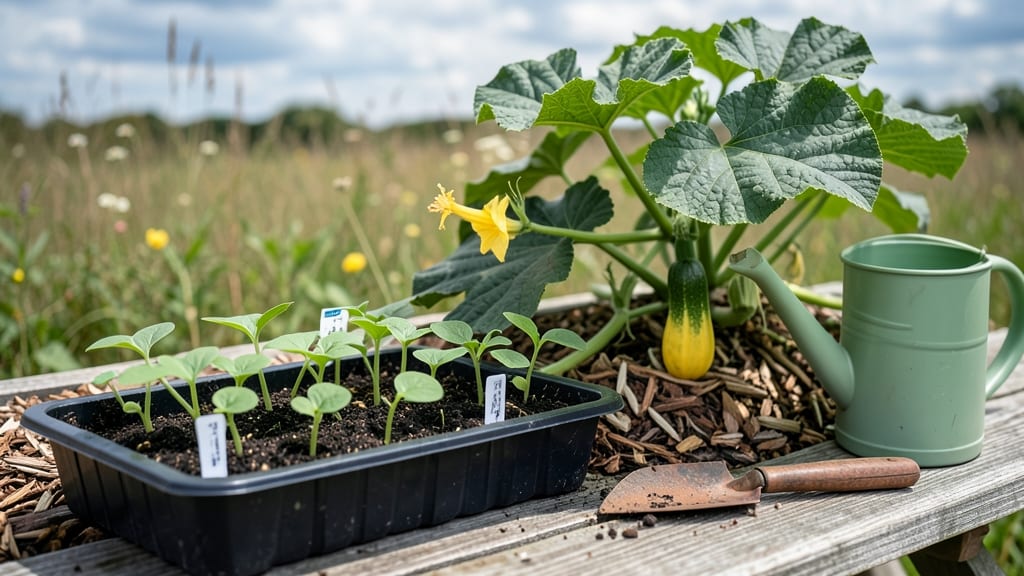
Germinating squash seeds takes 3 to 10 days under ideal conditions, with most varieties sprouting within 5 to 7 days when soil stays between 70°F and 90°F and moisture remains consistent. Cooler or drier conditions can delay sprouting significantly.
Understanding why squash seeds take this range of time reveals why patience and preparation matter. 🌱 The fastest germination happens when seeds stay warm and moist—think of it like creating a cozy environment for them to wake up.
Summer squash varieties often sprout quicker than winter types, which sometimes need extra warmth to break dormancy. I’ve found that using a seedling heat mat can cut germination time by nearly half, especially in cooler climates.
Another key factor is seed depth—planting too deep can slow sprouting, while shallow planting risks drying out. For best results, aim for 1 inch deep in well-draining soil. If you’re growing in containers, maintain consistent moisture without waterlogging, as excess water can suffocate seeds before they even sprout.
💡 In This Article
- Factors Affecting Squash Seed Germination Speed
- Optimizing Squash Germination in Containers and Gardens
Factors affecting squash seed germination speed
Squash seeds rely on three critical factors to germinate efficiently: soil temperature, moisture balance, and oxygen availability. The ideal temperature range of 70°F to 90°F activates enzymes within the seed that break down stored nutrients, allowing the radicle (root) to emerge first.
Below 60°F, germination can stall entirely, while above 95°F, seeds may dry out prematurely. Summer squash varieties like zucchini typically sprout faster (within 3-5 days) than winter types such as butternut, which often need 7-10 days due to thicker seed coats designed for longer storage.
Moisture plays an equally vital role—seeds need consistent dampness but not waterlogging, as excess water displaces oxygen needed for cellular respiration. Think of it like a sponge: soil should feel like a wrung-out cloth, not a dripping towel.
Humidity also matters—low humidity (40%) can cause seed desiccation, while high humidity (> 80%) risks fungal growth. A seedling heat mat set to 85°F can accelerate germination by 2-3 days, especially in cooler climates where soil temperatures naturally lag behind air temperatures.
Depth matters too—planting seeds too deep (over 1.5 inches) forces seedlings to expend energy breaking through compacted soil, delaying emergence. Conversely, shallow planting (½ inch) risks drying out. The sweet spot is 1 inch deep, which balances moisture retention with oxygen access.
For container growers, using a well-aerated mix like 50% peat moss, 30% perlite, and 20% compost ensures optimal conditions. 🌱
Light exposure isn't a factor during germination—seeds sprout best in darkness—but once the radical emerges, seedlings need indirect light to prevent legginess. Winter squash seeds often have harder seed coats that require scarification (lightly sanding) or soaking in warm water for 24 hours to soften.
This mimics natural weathering processes that break dormancy in the wild. For example, pumpkin seeds (Cucurbita pepo) may take 10-14 days to germinate if untreated, but scarification cuts this to 5-7 days.
Another often-overlooked factor is seed age—fresh seeds (1 year old) germinate at 90% efficiency, while seeds over 3 years old drop to 50% or less. The seed's food reserve (endosperm) degrades over time, reducing energy for sprouting.
For gardeners, storing seeds in a cool (50°F), dry place preserves viability for up to 5 years, though germination rates decline gradually. 💡
Finally, soil pH indirectly affects germination—squash thrive in slightly acidic to neutral soil (pH 6.0-7.0). Extremes (pH 5.0 or 8.0) can inhibit nutrient uptake, slowing growth even after sprouting.
Testing soil pH before planting ensures seeds have the best possible start. For container gardens, adding a ½ teaspoon of dolomitic lime per gallon of soil can adjust pH if needed.