
Flowers
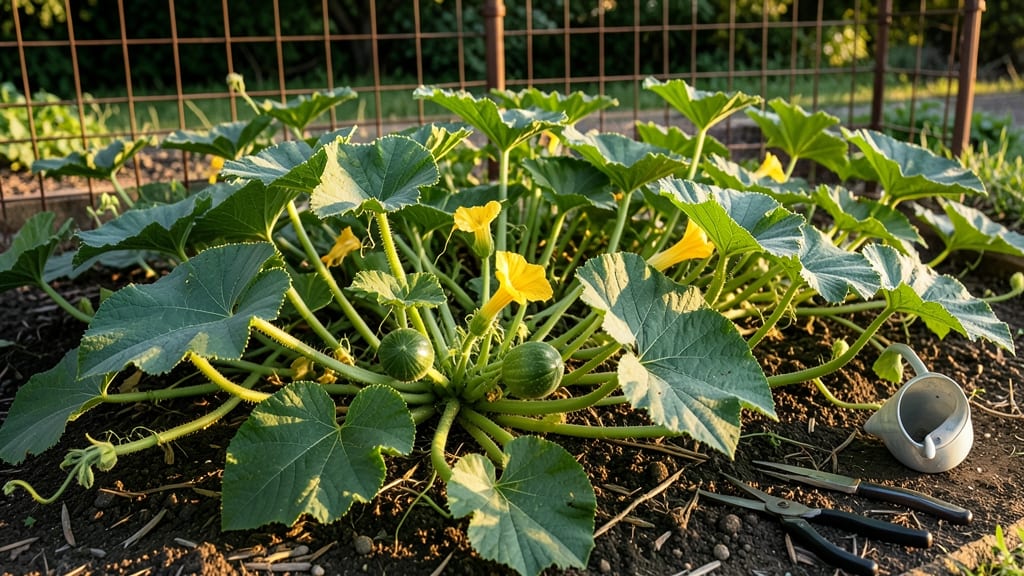
Your squash leaves and flowers aren’t just decorative—they’re a nutty, spinach-like harvest waiting to be used. 🌿 I’ve learned the hard way that ignoring these edible greens means missing out on a free, flavorful side dish that grows right alongside your summer squash.
The key is knowing when to pick them, how to prepare them, and—most importantly—how to keep your squash plants healthy so they produce both fruit and greens.
First, you’ll need to identify the right leaves—young, tender ones taste best, with a flavor that’s milder than spinach but richer than zucchini. Harvest them before they get tough or bitter, and always leave the main plant intact to keep producing.
If your squash plants look stressed (yellowing leaves, stunted growth), that’s your cue to check for pests or diseases before the greens suffer.
With proper care, you’ll end up with a steady supply of homegrown greens that pair perfectly with eggs, pasta, or soups. The secret? Rotate planting times, space vines properly, and watch for early signs of trouble—like chewed leaves or powdery white residue.
A little prevention now means a bountiful harvest of both fruit and greens all season long.
This method works for summer squash, zucchini, and even pumpkins, making it versatile for any garden. Whether you’re a beginner or a seasoned grower, these edible greens are an easy way to reduce waste and boost your harvest without extra effort. Let’s get growing!
📚 In This Guide
- What you need
- Instructions
- Tips and common mistakes
- Wrapping up and next steps
What you need
- ● Squash leaves: 1 large bunch (about 2 cups loosely packed) – fresh, tender, and pesticide-free (organic preferred). Look for butternut, zucchini, or pumpkin varieties.
- ● Squash flowers: 6-8 blooms (preferably zucchini or butternut) – harvest in the morning for peak freshness. Choose fully open, unblemished flowers.
- ● Garlic: 2 cloves, minced – for a savory depth.
- ● Onion: 1 small, finely chopped – adds sweetness and texture.
- ● Olive oil: 2 tablespoons – for sautéing.
- ● Salt and black pepper: To taste – essential for balancing flavors.
- ● Lemon juice: 1 tablespoon – brightens the dish.
- ○ Parmesan cheese (optional but recommended): ¼ cup, grated – for a rich, umami finish.
- ● Sharp chef’s knife + cutting board – for precise chopping.
- ● Large skillet or sauté pan (10-12 inches) – for even cooking.
- ● Wooden spoon or spatula – for stirring without damaging leaves.
- ● Mixing bowl – for prepping ingredients.
- ● Colander – if washing leaves or flowers.
- ● Tongs – for gently handling delicate flowers.
- ● Butter: 1 tablespoon – for extra richness.
- ● Red pepper flakes: ½ teaspoon – for a subtle kick.
- ● Fresh herbs: 1 tablespoon chopped parsley or basil – for freshness.
- ● Nutritional yeast: 1 tablespoon – a vegan alternative to Parmesan.
- ● Toothpicks or skewers: For securing flower stems while cooking (if stuffing).
How to harvest and prepare edible squash leaves and flowers
Turn your squash patch into a double harvest—here's how to gather those nutty leaves and delicate blossoms.
🌿 Step 1: Identify and Select Young Leaves
Harvest leaves when they're still tender and 4-6 inches wide, focusing on the younger, lighter green ones near the plant's base. Older leaves develop tougher stems and fibrous textures, losing that spinach-like tenderness. I always pick leaves from the outer edges first—this encourages new growth from the center.
Use clean, sharp scissors or pruning shears to snip leaves just above a leaf node. Avoid tearing the stem, which can damage the plant. Harvest in the morning after dew has dried but before the midday heat sets in—this preserves the most flavor and nutrients.
🌸 Step 2: Pick Flowers at Peak Freshness
Choose flowers when they're fully opened but still closed at the base—this means they haven't been pollinated yet. The blossoms should be bright yellow and 1-2 inches wide, with petals just beginning to unfurl. I look for buds that haven't yet attracted bees, as pollinated flowers will develop into squash later.
Gently twist the flower stem at its base to remove it cleanly. Don't pull—this can damage the vine. Harvest flowers in the early morning when they're most crisp. You'll get about 2-3 flowers per plant at peak production, so don't overharvest from any single vine.
💧 Step 3: Clean and Store Immediately
Rinse leaves and flowers thoroughly under cool water to remove dirt and any pesticide residue. Shake them gently in a colander to remove excess water, then pat dry with paper towels. I always work quickly here—wet leaves and flowers wilt fast and lose their vibrant color.
Store in the refrigerator wrapped in a slightly damp paper towel inside a plastic bag. This keeps them crisp for 3-5 days. For longer storage, blanch leaves for 1 minute in boiling water, then shock in ice water before freezing in airtight containers. Flowers can be frozen whole or chopped and stored in olive oil for later cooking.
☀️ Step 4: Cook for Optimal Flavor
Sauté leaves like spinach—wilt them in a hot pan with olive oil for 2-3 minutes until just tender. Flowers add delicate flavor to soups, frittatas, or pasta dishes. I like to dip them in batter and fry briefly for a crispy garnish. Remember, both leaves and flowers cook faster than regular greens—watch closely to avoid mushiness.
Don't overcook! Leaves should remain bright green with just a slight wilt, and flowers should stay tender-crisp. The nutty flavor peaks when they're cooked just until heated through. This is where most people mess up—they cook them like heavy greens and end up with a bitter taste.
⏰ Step 5: Maintain Plant Health After Harvesting
After harvesting, water the plant deeply to 1 inch of soil depth to compensate for any stress. I always add a balanced fertilizer (like 10-10-10) to the soil after picking to encourage new growth. Never harvest more than 1/3 of the plant's leaves at once—this keeps the vine healthy enough to produce both food and flowers.
Watch for signs of stress like yellowing leaves or wilted vines. If you see these, cut back on harvesting for a week and focus on watering. The plant needs to balance its energy between producing edible parts and growing new ones. A well-maintained squash plant will keep producing leaves and flowers for 4-6 weeks after initial harvests.
Tips & tricks for perfect squash harvests
Turn your garden bounty into delicious meals with these pro tips for harvesting and prepping squash leaves and flowers.
Timing is Everything: Harvesting at the right time makes all the difference. For leaves, focus on the morning hours when they're most crisp and packed with nutrients. I've found that harvesting just after sunrise but before the heat peaks preserves the vibrant green color and tender texture. The 4-6 inch size guideline is perfect—any smaller and they're too delicate, any larger and they lose that spinach-like tenderness.
Visual Cues for Perfect Flowers: When selecting flowers, look for that "just right" moment when petals are unfurling but still closed at the base. This indicates they haven't been pollinated yet, which means they'll be most tender and flavorful. I like to check for bright yellow color and a slight crispness when I gently squeeze the petals. This peak freshness window is usually just a few hours in the morning—don't wait until later in the day.
Storage Wisdom: The 3-5 day refrigerator life you get with proper storage is amazing, but here's the secret: don't overcrowd your storage bag. Leaves and flowers need air circulation to maintain crispness. I wrap them in a slightly damp paper towel first (just enough to keep them moist but not soggy), then place them in a single layer before sealing. For freezing, that 1-minute blanch is critical—it preserves color and texture while killing any potential enzymes that could cause texture breakdown during storage.
Cooking Precision: Those 2-3 minutes of cooking time go by faster than you think! I've ruined several batches by walking away for just a minute. Use a timer and watch closely—you want just a slight wilt in the leaves and flowers that stay tender-crisp. A good rule of thumb is that when you can easily pierce them with a fork but they still have some resistance, they're perfect. Overcooking turns that nutty flavor into bitterness, which is definitely not what we're going for.
Pro Tips for Squash Leaves And Flowers
- Turn your garden bounty into delicious meals with these pro tips for harvesting and prepping squash leaves and flowers.
- Timing is Everything: Harvesting at the right time makes all the difference.
- Visual Cues for Perfect Flowers: When selecting flowers, look for that "just right" moment when petals are unfurling but still closed at the base.
Frequently asked questions
Got questions about harvesting and cooking with squash leaves and flowers?
You’re not alone! Here are some of the most common queries—plus quick, practical answers to help you get the most out of your edible garden harvest.
Can you eat squash leaves and flowers raw?
While squash leaves and flowers are delicious cooked, they’re not typically eaten raw. Their texture can be tough and slightly bitter when uncooked. Lightly sautéing or blanching them first (like spinach) softens the leaves and enhances their nutty flavor. Always cook them thoroughly to avoid any potential bitterness or digestive discomfort.
How do you know when squash leaves and flowers are ready to harvest?
Harvest squash leaves when they’re fully mature but still tender—usually 4–6 weeks after planting. Look for leaves that are 3–6 inches long and vibrant green. Flowers should be fully open (but not wilted) for the best flavor. Pick in the morning when moisture levels are highest for fresher results.
What’s the best way to store squash leaves and flowers if I harvest more than I can use?
Store squash leaves and flowers in the fridge for up to 3–4 days. Wrap them loosely in a damp paper towel and place them in an airtight container. For longer storage, blanch and freeze them: Boil for 2 minutes, then plunge into ice water, drain, and freeze in a single layer before transferring to a bag. Flowers freeze well too—just remove stems and pat dry first.
Are there any squash varieties that are better for eating leaves and flowers?
Yes! Summer squash varieties like zucchini, yellow crookneck, and pattypan are the most common choices for edible leaves and flowers. Avoid winter squash (like butternut or pumpkin)—their leaves and flowers can be bitter or toxic. Stick to young, tender growth for the best flavor and safety.
What should I do if the leaves or flowers taste bitter?
Bitter flavors often mean the leaves or flowers are overmature or stressed (e.g., from drought or heat). Harvest younger growth next time, or try soaking in salted water (1 tsp salt per quart) for 30 minutes to reduce bitterness before cooking. If bitterness persists, the plant may need more water or shade.
Pro tip: Pair squash leaves with garlic, lemon, or cheese to mask any mild bitterness and boost flavor!
Wrapping up and next steps
From vibrant greens to delicate blooms, squash leaves and flowers are a hidden culinary gem—packed with a nutty, spinach-like flavor and a nutritional punch. Whether you’re foraging, gardening, or simply experimenting in the kitchen, these edible treasures offer a delicious and sustainable way to elevate your meals. 🌱
Ready to dive in? Start by identifying safe varieties (like zucchini or pumpkin), then harvest with care—soon, you’ll be savoring homegrown goodness in soups, salads, or sautés. Happy cooking!