
Pests and Diseases
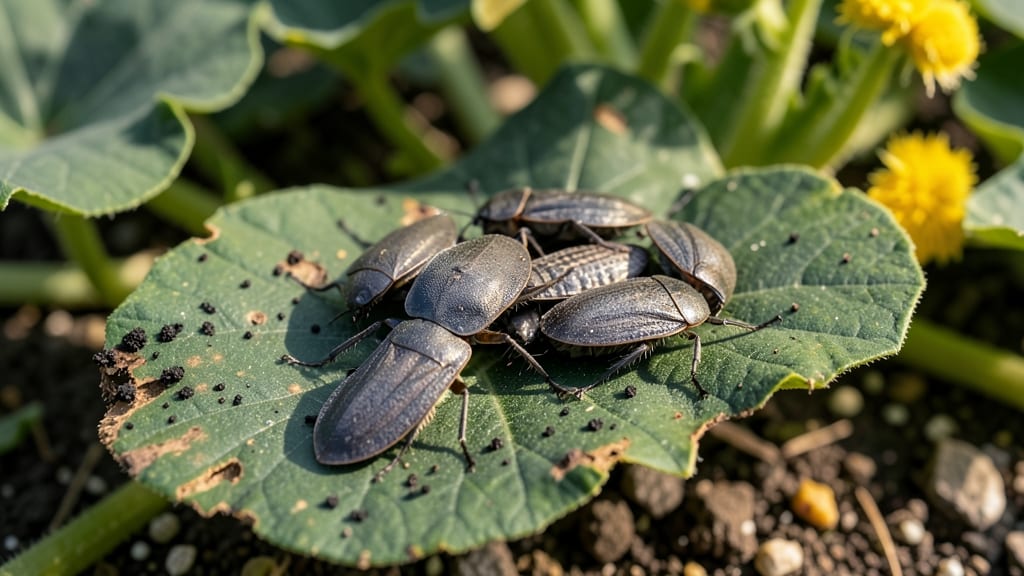
The right squash bugs treatment can save your garden—just ask me, who’s turned back entire armies of these shield-backed pests before they devour your zucchini and pumpkins. neem oil spray that disrupts their lifecycle within 24 hours.
The key? Spraying at the right time, using the right concentration, and combining it with physical removal to break their numbers.
These pests thrive in warm, humid conditions, and their eggs—tiny and hard to spot—hatch in 7-10 days, giving you a narrow window to intercept them. Most gardeners miss this stage because they focus on the adults, but that’s when the real damage starts.
A homemade neem oil mix (1 tablespoon per quart of water with a drop of dish soap) smothers eggs and weakens adults, while handpicking adults into soapy water gives you immediate relief.
By the end of the first treatment, you’ll see fewer adults crawling on leaves and new growth protected from egg-laying. The plants recover faster, and the soil stays healthier because you’re avoiding harsh chemicals.
The best part? This method works on summer squash, winter squash, and even cucumbers—anything these pests target.
Prevention is the real game-changer: row covers in early season, companion planting with herbs like basil, and weekly inspections under leaves keep populations low. Once you’ve tackled an infestation, these habits make future seasons effortless. Let’s get those bugs under control for good.
Root Causes Of Squash Bugs
Squash bugs are one of the most stubborn pests for gardeners, and understanding why they invade your plants is the first step to stopping them. These flat, shield-shaped insects thrive in specific conditions, often leaving behind a trail of wilted, yellowing squash and pumpkin leaves.
Here’s why they become a problem in the first place:
Squash bugs love dense foliage, which provides shelter and easy access to sap. When you plant squash, pumpkins, or gourds too closely together, you create the perfect hiding spot for these pests. 🌱
- Why it happens: Squash bugs lay eggs in clusters on the undersides of leaves, often near the soil.
Overcrowded plants offer more surfaces for egg-laying and make it harder for beneficial predators (like birds or parasitic wasps) to spot and eliminate them. - Actionable fix: Space plants 3–4 feet apart to improve airflow and visibility. Thin out seedlings early to prevent thick canopies.
Leaves, vines, and plant debris act like a buffet for squash bugs. If you leave old plant material on the soil surface—especially after harvesting—you’re essentially inviting them to stay.
- Why it happens: Squash bugs overwinter in garden debris, soil cracks, or even under mulch.
When spring arrives, they emerge hungry and ready to feed on fresh squash plants. - Actionable fix: - Remove all plant debris after harvest (especially wilted vines and leaves). - Avoid thick mulch layers near squash plants—opt for straw or shredded leaves in thin layers (1–2 inches) to deter hiding spots. - Till the soil in fall to expose overwintering bugs to predators and cold.
Healthy squash plants are more resilient, but stressed ones become an easy target. Squash bugs prefer plants that are already struggling due to drought, nutrient deficiencies, or disease.
- Why it happens:
- Drought stress makes plants produce more sugary sap—a squash bug’s favorite meal.
- Nitrogen deficiency leads to weak stems and leaves, making them easier to pierce.
- Fungal diseases (like powdery mildew) create entry points for bugs.
- Actionable fix:
- Water deeply (1–2 inches per week) to keep soil moist but not soggy.
- Fertilize with balanced NPK (e.g., 10-10-10) at planting and mid-season.
- Rotate crops annually to prevent soil-borne diseases that weaken plants.
Squash bugs don’t have many natural enemies, but when conditions are right, predators like spider mites, parasitic wasps, and ground beetles can keep populations in check. Unfortunately, pesticides (even organic ones) often kill these helpers too.
- Why it happens:
- Overuse of broad-spectrum sprays (neonicotinoids, pyrethroids) wipes out beneficial insects.
- Monoculture gardening (planting only squash) reduces biodiversity, leaving bugs unchecked.
- Actionable fix:
- Encourage predators by planting dill, fennel, or marigolds nearby to attract wasps and ladybugs.
- Avoid spraying when bees or beneficial insects are active (early morning or late evening).
- Use targeted treatments like neem oil or kaolin clay, which harm squash bugs but not their predators.
Squash bugs thrive in hot, humid climates (like the Southern U.S.), but even cooler regions can see outbreaks if summers are unusually warm. They’re less active in cold or dry conditions.
- Why it happens:
- High humidity (60%+) keeps their eggs from drying out.
- Warm soil (above 60°F) speeds up their life cycle, leading to multiple generations per season.
- Actionable fix:
- Monitor soil moisture—dry spells can reduce populations, but don’t let plants wilt.
- Use row covers early in the season to block adults from laying eggs.
- Plant in cooler microclimates (e.g., near shade structures) if possible.
Many gardeners only notice squash bugs when their plants are already severely damaged. By then, the bugs have had weeks to multiply.
- Why it happens:
- Eggs are tiny and well-camouflaged (look like tiny brown specks on leaf undersides).
- Adults hide under leaves or in soil cracks during the day.
- Actionable fix:
- Inspect plants weekly (especially undersides of leaves and stems).
- Crush eggs by hand (they’re soft and squishy—wear gloves!).
- Set up yellow sticky traps to catch flying adults early.
Squash bugs follow a predictable life cycle:
- Overwinter in soil/debris (fall).
- Emerge in spring to lay eggs.
- Nymphs hatch (April–May), then adults feed and reproduce.
- Second generation peaks in July–August.
Disrupt this cycle by: ✅ Cleaning up debris in fall. ✅ Using row covers at planting. ✅ Treating nymphs early (they’re easier to kill than adults).
Quick Fixes for Squash Bugs
Squash bugs can turn a thriving garden into a battleground, but the good news is that targeted solutions exist. Whether you’re dealing with an early infestation or a full-blown outbreak, these practical, step-by-step fixes will help you reclaim your squash patch—fast.
Below, we’ve mapped out common causes to effective treatments, plus prevention tips to keep these pests at bay for good.
Cause: Tiny eggs or newly hatched nymphs go unnoticed, leading to rapid population growth. Fix:
- Inspect leaves daily (especially undersides) for clusters of tiny black eggs or small, flat, gray-brown nymphs.
- Knock off eggs with a strong blast of water from a hose (💦) or gently brush them into a bucket of soapy water.
- Remove heavily infested leaves and dispose of them in sealed bags (not compost).
- 💡 Pro Tip: Use a magnifying glass—early detection means fewer bugs later!
Cause: Adult squash bugs hide in plant debris or soil, making them hard to reach. Fix:
- Neem Oil Spray (Best for All Stages)
- Mix 1 tbsp neem oil + 1 tsp mild dish soap + 1 quart water in a spray bottle.
- Spray directly on bugs, eggs, and leaf undersides (especially where they cluster).
- Reapply every 5–7 days or after rain.
- ⏰ Timing: Apply in early morning or late evening to avoid harming bees.
- Kaolin Clay (Physical Barrier)
- Mix 1–2 tbsp kaolin clay powder + 1 gallon water and spray on leaves.
- Creates a sticky, reflective layer that repels bugs and disrupts their feeding.
- ✨ Bonus: Also deters cucumber beetles and aphids!
- Soap Spray (Fast Knockdown)
- Combine 2 tbsp castile soap + 1 quart water and spray directly on bugs (avoid flowers).
- Works best on nymphs and soft-bodied adults—reapply after rain.
Cause: Adult squash bugs are tough and hide in mulch or garden edges. Fix:
- Handpick adults (wear gloves!) and drown them in soapy water (🪣).
- Use a cardboard trap: Place flipped cardboard near plants—bugs hide underneath; flip it daily and dispose of them.
- Vacuum them up with a shop vac (great for large infestations).
- 🔥 Hot Tip: Check under leaves, near stems, and in mulch—these are their favorite hiding spots!
Cause: Overcrowded plants, poor garden hygiene, or lack of rotation invite squash bugs. Fix:
- Rotate crops—avoid planting squash, pumpkins, or cucumbers in the same spot yearly.
- Remove garden debris (old vines, leaves) in fall and spring to eliminate overwintering bugs.
- Use reflective mulch (aluminum foil or silver plastic) to disorient and repel adults.
- Plant trap crops like radishes or nasturtiums to lure bugs away from your squash.
Cause: Severe infestations where organic methods fail. Fix:
- Pyrethrin-based sprays (derived from chrysanthemums) kill on contact—use at dusk to protect pollinators.
- Imidacloprid (systemic insecticide)—apply soil drench for long-term protection (follow label rates).
- 🎯 Warning: Chemicals should be a last option; always rotate with organic methods to avoid resistance.
Once you’ve tackled an infestation, prevent future attacks with these habits:
- Monitor plants weekly—early action is key!
- Encourage beneficial insects (ladybugs, lacewings) by planting dill, fennel, or marigolds.
- Keep gardens tidy—remove weeds and debris where bugs hide.
- Use row covers on young plants to block adult bugs from laying eggs.
Final Thought: Squash bugs are relentless, but with consistent action, you can outsmart them. Start with neem oil and handpicking, then layer in prevention—your squash will thank you! 🎉
Frequently asked questions
Why do squash bugs keep coming back even after treatment?
These pests have a fast life cycle—eggs hatch in just 7-10 days, and adults can lay 50+ eggs in their lifetime. If you miss the egg stage or only treat adults, new bugs keep emerging. The solution? Combine weekly inspections (check leaf undersides!) with neem oil sprays every 5-7 days to catch all stages.
Is neem oil safe to use while squash plants are flowering?
Yes, but apply it early morning or late evening when bees are less active. Neem oil is bee-safe when used correctly, but avoid spraying directly on flowers. Focus on leaf undersides and stems—that’s where squash bugs hide and lay eggs.
How do I tell if my squash plants are dying from squash bugs or disease?
Squash bug damage looks like sudden wilting on one vine or branch, while disease usually affects whole plants uniformly. Check for tiny black specks (eggs) or gray-brown nymphs under leaves—these confirm squash bugs. Also look for yellowing veins (a classic squash bug symptom).
Can I use dish soap alone to kill squash bugs?
Yes, but it works best on nymphs and soft-bodied adults. Mix 2 tablespoons castile soap + 1 quart water and spray directly on bugs (avoid flowers). For better results, combine it with neem oil—soap breaks their protective layer while neem oil disrupts their lifecycle.
What's the best time of year to prevent squash bugs?
Start in early spring by removing all garden debris (where they overwinter) and tilling soil to expose hidden bugs. Then, use row covers when planting to block adults from reaching your crops. Remove covers when flowers appear to allow pollination.