
Pests and Diseases
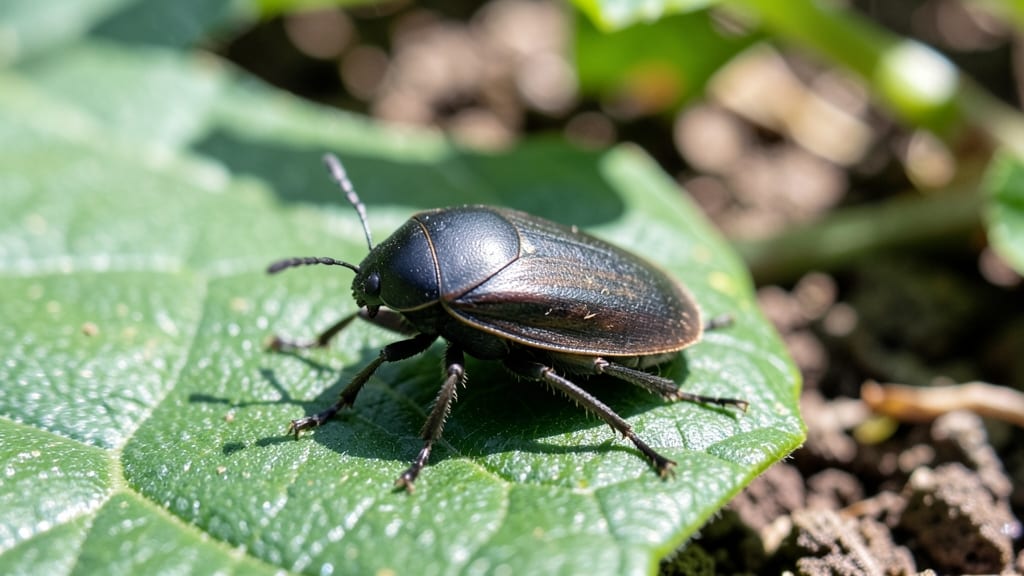
Identifying squash bugs early with these squash bugs images saves your garden before they destroy vines—here’s how to spot them. 🌿 The damage—wilting vines and skeletonized leaves—often appears long after the bugs have moved on, making identification your first line of defense.
Adult squash bugs are about half an inch long with distinctive black-and-white stripes and a shield-like back. Their nymphs (baby bugs) look like miniature versions without wings, while eggs cluster in rows on leaf undersides.
I learned the hard way that handpicking adults in the morning—when they’re sluggish—is the most effective early control, but you’ll need to check every leaf.
Wilting plants and chewed leaves are classic signs, but the real damage happens underground where bugs feed on roots. By the time you see wilting, the plant is already struggling.
That’s why I now inspect plants every 3-5 days during squash season, especially after rain when eggs hatch fastest. A quick leaf flip can save your entire harvest.
Their lifecycle moves fast—eggs hatch in 7-10 days, nymphs mature in 2-3 weeks, and adults lay hundreds of eggs by midsummer. That’s why prevention matters more than treatment.
Once established, these pests are nearly impossible to eradicate, making early detection your best weapon. Let’s get you identifying them before they strike.
The Hidden Triggers Behind Infestations
Squash bugs—those sneaky, shield-shaped pests—don’t just appear out of nowhere. Their presence in your garden is usually a sign of specific conditions that make your plants an all-you-can-eat buffet. Understanding why these pests target your squash, pumpkins, and cucumbers is the first step to stopping them in their tracks.
Let’s break down the science behind their behavior and how your garden might be unknowingly inviting them in.
Squash bugs thrive in chaos, and nothing says "chaos" to them like a garden where plants are packed too closely together. Here’s why:
- Moisture Retention: Dense foliage traps humidity, creating the perfect microclimate for squash bug eggs. These pests lay their eggs in clusters on the undersides of leaves, and damp conditions help them survive longer.
- Shelter from Predators: Tight plantings make it harder for birds, spiders, and other natural enemies to spot and eat squash bug eggs or nymphs. Think of it like a fortress—your squash plants are the walls, and the bugs are the defenders.
- Easier Movement: Bugs can crawl from plant to plant without exposure, spreading faster. A single infested plant in a crowded patch can quickly become a colony.
Actionable Fix: Space your squash, pumpkins, and cucumbers at least 3–4 feet apart (or follow seed packet guidelines). Use trellises for vining plants to lift them off the ground and improve airflow. 🌿
Squash bugs are masters of disguise, and your garden’s "junk drawer" (aka old plant debris, weeds, and leaf litter) is their favorite hiding spot. Here’s how it helps them:
- Overwintering: Adult squash bugs survive winter by hiding in garden debris, mulch, or weeds. If you leave last year’s vines or fallen leaves near your plants, they’ll hibernate there—ready to re-emerge when spring arrives.
- Egg-Laying Camouflage: Bugs prefer to lay eggs on the soil or in leaf litter near host plants. A messy garden gives them endless real estate to start their next generation.
- Food Source for Nymphs: Young squash bugs (nymphs) feed on decaying plant matter, which provides them with energy before they move on to your squash.
Actionable Fix:
- 🔥 Clean up thoroughly: Remove all plant debris, weeds, and mulch from around your squash patch in fall and spring. Compost it away from your garden—not near it.
- 🌡️ Use black plastic mulch: In early spring, lay down black plastic or landscape fabric to smother overwintering bugs before planting.
Squash bugs are thermal opportunists—they love warmth, and your sunny garden is like a tropical resort for them. Here’s how heat helps them multiply:
- Faster Egg Hatching: Eggs hatch in 7–10 days in warm conditions (above 70°F), compared to weeks in cooler temps. More eggs = more bugs.
- Longer Adult Lifespan: Warmth extends their adult phase, giving them more time to reproduce. A single female can lay up to 300 eggs in her lifetime!
- Stronger Feeding: Heat-stressed plants (common in full sun) produce more sap, which squash bugs love as a food source.
Actionable Fix:
- ✨ Provide shade cloth: Use 30–50% shade cloth over young plants to slow egg hatching and reduce stress on your squash.
- 💡 Water deeply in heatwaves: Keep soil moist (but not soggy) to help plants recover from heat stress, making them less appealing to bugs.
Squash bugs don’t just attack healthy plants—they target the vulnerable. Here’s why stressed plants are a buffet:
- Lower Defenses: Plants under stress (from drought, poor soil, or disease) produce less sap and more sugars in their leaves, making them easier for bugs to pierce and feed on.
- Slower Recovery: A healthy plant can "outgrow" minor damage, but a struggling one can’t. Squash bugs exploit this, draining sap until the plant wilts.
- Attracts More Bugs: Damaged plants release chemical signals that attract more squash bugs, turning a small problem into an infestation.
Actionable Fix:
- 💪 Boost plant health:
- Use compost or balanced fertilizer (like 10-10-10) at planting time.
- Mulch with straw or grass clippings to retain moisture.
- 🚫 Avoid overwatering: Squash bugs love soggy soil. Water at the base of plants and avoid wetting leaves.
Now that you know why squash bugs show up uninvited, the next step is to turn your garden into a bug-free zone. Stay tuned for actionable tips to outsmart these pests before they ruin your harvest! 🛡️🌱
Quick Fixes for Squash Bug Infestations
Squash bugs—those sneaky, shield-shaped pests—can turn your thriving garden into a chewed-up battlefield if left unchecked. But don’t panic! With the right approach, you can eliminate existing bugs and prevent future outbreaks like a pro.
Below, we’ve broken down cause-specific solutions to tackle squash bugs at every stage, from early detection to full-blown infestation. Let’s get your garden back in shape!
Cause: Small populations or early signs of squash bugs (eggs, nymphs, or adults). Fix:
- When to act: Early morning or late evening when bugs are sluggish (🌅☀️).
- How to do it:
- Wear thick gloves (squash bugs secrete a foul-smelling fluid when crushed—eww!).
- Flip over leaves and inspect the undersides of squash plants.
- Drop bugs into soapy water (a bucket of water + a few drops of dish soap) to kill them instantly.
- Check egg clusters (tiny, shiny, football-shaped) and scrape them off with a fingernail or credit card.
- Pro tip: 💡 Focus on leaf axils (where the leaf stem meets the vine)—this is their favorite hiding spot!
Cause: Mild infestations or organic gardening preferences. Fix:
- Diatomaceous earth (DE):
- Sprinkle food-grade DE around the base of plants and on leaves (avoid overwatering afterward—it needs to stay dry to work).
- How it works: DE’s microscopic particles dehydrate bugs in 24–48 hours.
- Reapply after rain or watering.
- Neem oil spray:
- Mix 1 tbsp neem oil + 1 tsp mild soap + 1 quart water in a spray bottle.
- Spray undersides of leaves (where eggs and nymphs hide) every 5–7 days.
- Bonus: Disrupts their life cycle and deters new bugs.
- Beer traps (yes, really!):
- Bury a small container (like a yogurt cup) filled with beer at soil level.
- Squash bugs are drawn to the yeast and drown—easy cleanup!
Cause: Preventing squash bugs from infesting new plants or spreading. Fix:
- Row covers:
- Use floating row covers (lightweight fabric) over young squash plants to block adult bugs from laying eggs.
- Remove during pollination if growing zucchini or other self-pollinating varieties.
- Copper tape:
- Wrap copper tape around the base of plants—squash bugs hate the metal and avoid crossing it.
- Straw mulch:
- Apply a thick layer of straw around plants to disrupt egg-laying and deter adults.
Cause: Large adult populations or late-season outbreaks. Fix:
- Yellow sticky traps:
- Hang yellow cards coated in Tanglefoot near squash plants to catch flying adults.
- Check traps daily and replace when saturated.
- Homemade beer or yeast traps:
- Fill a shallow dish with beer or a yeast-water mix and place near plants.
- Cover with plastic wrap secured with a rock—bugs crawl in but can’t escape!
Cause: Recurring infestations year after year. Fix:
- Rotate crops:
- Avoid planting squash, pumpkins, or cucumbers in the same spot year after year (squash bugs overwinter in soil).
- Wait 3–4 years before replanting in the same area.
- Clean up debris:
- Remove all plant debris (vines, leaves) in fall and winter—this is where squash bugs hide and hibernate.
- Burn or compost (not reuse!) infested material.
- Interplant with repellent herbs:
- Grow basil, thyme, or marigolds near squash plants—their scents deter squash bugs.
- Encourage predators:
- Ladybugs, lacewings, and parasitic wasps love squash bugs! Attract them with native plants like dill, fennel, or alyssum.
If your garden is severely infested (think: dozens of bugs daily), it’s time for stronger measures:
- Pyrethrin-based sprays (derived from chrysanthemums):
- Spray early in the morning (avoids harming bees).
- Reapply after rain—it washes off quickly.
- Neonicotinoid soaps (last resort):
- Use only as directed—these are harsh on beneficial insects.
- Best for late-season outbreaks when organic methods fail.
Final Pro Tip: ✨ Combine methods for the best results! For example:
- Hand-pick adults in the morning.
- Apply neem oil in the evening.
- Set up beer traps for stragglers.
With consistency, you’ll crush squash bugs before they crush your crop! 🚜💪
Frequently asked questions
What do squash bug eggs look like in photos?
Squash bug eggs appear as tiny, shiny, football-shaped clusters (about 1/16-inch long) in rows on leaf undersides or stems. They’re pale yellow when fresh and turn orange-brown as they mature. Look closely—they’re often hidden in leaf axils (where leaves meet vines).
How can I tell the difference between squash bug nymphs and aphids?
Squash bug nymphs are flat, shield-shaped with black-and-white stripes (like mini adults), while aphids are soft-bodied and oval with no stripes. Nymphs also have spiky legs and cluster on leaf undersides, whereas aphids often form cottony colonies. Nymphs grow into winged adults in 2-3 weeks.
Why do my squash bug photos show different colors?
Adult squash bugs can appear gray, brown, or black depending on age and lighting—freshly molted adults are lighter, while older ones darken. Their shield-shaped backs and white stripes remain consistent. Use natural light for accurate identification; flash photography can distort colors.
What damage do squash bugs cause that isn’t visible in images?
Beyond chewed leaves, squash bugs inject toxic saliva that causes wilting, yellowing, and stunted growth. They also feed on plant roots, leading to sudden vine collapse even when leaves look healthy. Check soil moisture—wilting often starts in afternoon heat when bugs are most active.
Can I use these images to identify squash bug lookalikes?
Be cautious—similar pests like stink bugs or assassin bugs may resemble squash bugs but lack the distinctive black-and-white striped pattern. Stink bugs have more rounded bodies, while assassin bugs have longer legs. Always check for leaf damage patterns (skeletonized leaves = squash bugs).