
Picking
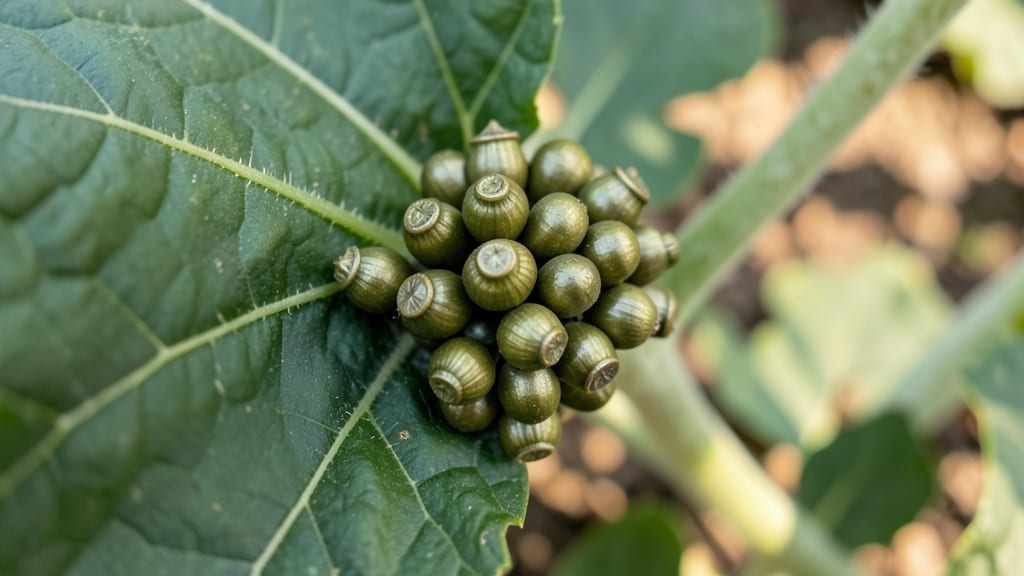
Squash bug eggs hide in plain sight on your zucchini leaves, and one missed batch means a devastating infestation by summer. 🌿 I’ve watched these tiny yellow clusters turn a thriving garden into a chewed-up mess in just two weeks—unless you catch them early.
The eggs look like tiny yellow specks clustered on the undersides of leaves, often near the veins. A magnifying glass makes spotting them easier, and I’ve found that checking plants every 3-4 days during squash bug season (late spring to early fall) saves hours of cleanup later.
Once you find them, crush them with your fingers or wipe them off with soapy water—no harsh chemicals needed. The key is consistency: repeat this process weekly until harvest, and your plants will stay healthy and productive all season.
This method works for both backyard gardens and container-grown squash. The payoff? Fewer pests, more harvests, and a garden that thrives without relying on store-bought sprays.
The Hidden Triggers Behind Egg Laying
Understanding why squash bug eggs appear in your garden starts with recognizing the environmental and biological factors that attract these pests. These tiny but destructive insects don’t just show up randomly—they’re drawn by specific conditions that signal a perfect breeding ground.
Below, we break down the key reasons, backed by science, so you can take action before an infestation spirals out of control.
Squash bugs (Anasa tristis) thrive in warm, humid conditions, which accelerate their reproductive cycle. Here’s why:
- Temperature Preferences: Eggs hatch most rapidly between 75–95°F (24–35°C).
If your garden stays in this range—especially in shaded or mulched areas—adult females will lay eggs aggressively. Pro tip: 🌡️ Use a soil thermometer to monitor heat pockets near your squash, pumpkin, or cucumber plants. - Humidity Matters: Squash bugs need high humidity (60%+) to survive.
Overhead watering or dense foliage traps moisture, creating ideal conditions. Watch for: Yellowing leaves or fungal spots (like powdery mildew), which often coincide with squash bug activity. - Nighttime Activity: These pests are nocturnal, so they scout for laying sites after dark.
If your garden stays warm at night (common in plastic-mulched beds), you’ll see more eggs the next morning.
Actionable Fix: ✅ Improve airflow by pruning vines and avoiding excessive mulch near stems. ✅ Water in the morning to let foliage dry quickly, reducing humidity.
Squash bugs don’t randomly attack healthy plants—they home in on weakened hosts. Here’s what makes your crops irresistible:
- Sap-Rich, Soft Tissue: Overripe or injured squash, pumpkins, and melons release volatiles (chemical signals) that attract egg-laying females.
A single scratch or bruise can trigger an infestation. - Nitrogen Imbalance: Plants with excess nitrogen (common in over-fertilized soil) produce tender, fast-growing vines—perfect for egg deposition. Look for: Dark green, lush leaves with sparse fruit. - Disease or Pest Damage: Areas already damaged by cucumber beetles, aphids, or fungal infections become hotspots.
Squash bugs exploit these "weak links" first.
Actionable Fix: ✅ Harvest overripe fruit immediately to remove attractants. ✅ Balance fertilizers: Use a low-nitrogen, high-potassium formula (e.g., 5-10-10) to toughen plant defenses. ✅ Rotate crops annually to break pest cycles.
Squash bug eggs are vulnerable to desiccation and natural enemies (like lady beetles). Females strategically lay them in:
- Undersides of Leaves: The lower leaf surfaces of squash, cucumber, and melon plants provide shade and moisture retention, shielding eggs from drying out.
- Stems and Petioles: Eggs laid in crevices along stems or where leaves meet the vine are harder for birds or parasitic wasps to reach.
- Mulch and Debris: Organic mulch, old plant debris, or even plastic mulch can trap heat and humidity, extending the egg’s viability.
Actionable Fix: ✅ Inspect leaf undersides daily (especially on lower leaves) with a magnifying glass. ✅ Remove mulch from plant stems to expose eggs to predators and drying conditions. ✅ Encourage beneficial insects: Plant dill, fennel, or alyssum nearby to attract egg-eating predators like big-eyed bugs.
If you plant squash or cucumbers too late in the season, the plants may lack time to develop natural chemical defenses (like cucurbitacins in bitter varieties), making them easier targets.
- Early Season Vulnerability: Young plants (under 4–6 weeks old) are most susceptible because their cuticle (waxy layer) is thin, and they haven’t built up resistance.
- Succession Planting Risks: Staggered plantings can create a mixed-age buffet—older plants may repel bugs, but tender new shoots attract them.
Actionable Fix: ✅ Start with resistant varieties like ‘Defender’ or ‘Table Queen’ squash. ✅ Use row covers for the first 3–4 weeks to block adult squash bugs from reaching young plants.
Eliminate Squash Bug Eggs Effectively
Now that you know why squash bug eggs appear, it’s time to take action! These tiny threats can wreak havoc on your garden if left unchecked. Below are practical, step-by-step solutions tailored to the most common causes—from manual removal to natural deterrents—plus prevention tips to keep your plants safe long-term.
If you’ve spotted clusters of squash bug eggs on leaves or stems, physical removal is your first line of defense. Squash bugs lay eggs in neat rows, making them easier to spot than adults. Here’s how to tackle them:
- 🔥 Scrape Them Off Use a damp paper towel or soft brush to gently wipe away eggs from leaves. Drop them into a bucket of soapy water (1 tbsp dish soap per gallon) to kill them instantly.
Avoid crushing eggs on the plant—this can attract predators or spread oils that harm foliage.
- 🍳 Prune Infested Areas If eggs are concentrated on yellowing or damaged leaves, trim those sections and dispose of them in sealed bags (not compost). Focus on new growth where squash bugs prefer to lay eggs.
- 👨🍳 Inspect Regularly Check undersides of leaves, stems, and fruit stems every 2–3 days during squash bug season (spring to early summer). Early detection = fewer hatchlings!
💡 Pro Tip: Wear gloves—squash bug eggs can stain hands, and some gardeners report mild skin irritation from handling them.
Encourage beneficial insects that feast on squash bug eggs and nymphs. These allies require no chemicals and boost your garden’s ecosystem:
- 🌡️ Ladybugs & Lacewings Release ladybugs (buy them online or from garden centers) or attract lacewings by planting dill, fennel, or yarrow. These predators devour squash bug eggs within hours of hatching.
- 🎯 Parasitic Wasps Tiny trichogramma wasps lay eggs inside squash bug eggs, killing them from within. Order trichogramma cards from garden suppliers and place them near infested plants.
- 🐍 Frogs & Toads Create a toad-friendly habitat with shallow water dishes and hiding spots (like flat rocks or logs). They gobble up squash bug nymphs before they mature.
✨ Prevention Boost: Plant nasturtiums or marigolds as trap crops—squash bugs prefer them over your squash, cucumbers, or melons!
If manual removal isn’t enough, organic sprays can smother eggs and deter adults. These are pet-safe and won’t harm pollinators if used correctly:
- 🔪 Neem Oil Spray Mix 1 tbsp neem oil + 1 tsp mild soap + 1 quart water. Spray directly on eggs and leaves (avoid blooming plants). Neem disrupts egg development and repels adults. Reapply every 5–7 days during outbreaks.
- 🥘 Kaolin Clay Barrier Stir 2 tbsp kaolin clay (Surround WP) in 1 gallon water, add a drop of soap, and spray on leaves. The clay creates a protective film that eggs can’t grip, causing them to fall off. Safe for edible plants and organic gardening.
- 🌡️ Hot Soap Spray (Emergency Use) For severe infestations, boil 1 gallon water, dissolve 1 tbsp castile soap, cool, and spray only on affected leaves. This kills eggs on contact but may harm beneficial insects—use late in the day and avoid flowering plants.
💡 Pro Tip: Always test sprays on a small leaf first to check for plant sensitivity.
Prevent squash bugs from laying eggs in the first place with physical barriers:
- 🛡️ Floating Row Covers Install lightweight fabric row covers over young plants in early spring. Secure edges with soil or bricks to block adult squash bugs. Remove covers when plants begin flowering to allow pollination.
- 🌱 Mulch Strategically Apply straw or grass clippings around the base of plants to smother emerging nymphs. Avoid thick mulch near stems—it can trap moisture and encourage rot.
- 🌿 Copper Tape Trick Wrap copper tape around the main stems of squash plants. Squash bugs hate copper and avoid crossing it. This works best for small patches of plants.
Break the squash bug life cycle with crop rotation and decoy plants:
- 🎯 Plant Trap Crops Grow cucumbers or pumpkins in a separate patch from your main crops. Squash bugs will infest these first—remove them before they spread to your prized plants.
- 🔄 Rotate Plant Families Squash bugs target cucurbits (squash, cucumbers, melons). Rotate crops annually to starve them of their favorite hosts. Avoid planting squash family crops in the same spot for at least 3 years.
- 🌿 Interplant with Herbs Basil, mint, and thyme repel squash bugs. Plant them near the edges of your garden beds to create a natural barrier.
If your garden is severely overwhelmed, organic-approved pesticides can help. Use these sparingly and follow label instructions:
- 🔪 Pyrethrin Spray Derived from chrysanthemums, this knocks down adults and nymphs but won’t kill eggs. Reapply every 3–5 days until the threat is gone.
- 🌿 Spinosad (Organic Option) A bacteria-based spray, spinosad is effective on eggs and adults but safe for bees when applied at dusk.
⚠️ Warning: Avoid synthetic pesticides like malathion—they kill beneficial insects and can harm your garden’s balance.
💡 Final Prevention Checklist: ✅ Inspect plants weekly (especially undersides of leaves). ✅ Remove debris (fallen leaves, old vines) where eggs hide. ✅ Water in the morning to dry leaves faster (squash bugs love damp foliage). ✅ Encourage birds with a small water feature—they eat squash bug adults!
By combining manual removal, natural predators, and smart gardening habits, you can crush squash bug eggs before they hatch—saving your garden and your sanity! 🚜🌿
Frequently asked questions
How do I tell squash bug eggs apart from other tiny garden pests?
Squash bug eggs appear as tiny yellow clusters (about 1/16-inch long) arranged in neat rows along leaf veins or stems. Unlike aphid eggs (which are usually white or black), these are bright yellow and oval-shaped. Use a magnifying glass to check for their characteristic barred pattern—this helps distinguish them from spider mite eggs or fungal spores.
What’s the fastest way to kill squash bug eggs without chemicals?
Crush them with your fingers or a damp paper towel—this is the fastest method! For larger infestations, spray eggs with a soapy water solution (1 tbsp dish soap per gallon of water). The soap smothers eggs on contact while being completely safe for plants. Reapply every 2-3 days during peak laying season (late spring to early fall).
Can squash bug eggs survive winter in my garden?
No, squash bug eggs won’t survive freezing temperatures below 20°F (-7°C). However, adult squash bugs can overwinter in mulch, leaf litter, or garden debris. To break their life cycle, remove all plant debris in fall and till the soil to expose overwintering adults. This prevents next year’s egg-laying season before it starts.
Why do I keep finding eggs even after treating my plants?
Adult squash bugs can lay up to 100 eggs in their lifetime, and females keep producing batches until they die. If you’re still seeing eggs, check for hidden adults (they hide under leaves or in mulch). Also, some eggs may hatch within 3-10 days—inspect plants daily during warm, humid weather. Consider using row covers to block new adults from reaching your plants.
Are there any squash varieties that naturally repel squash bugs?
Yes! Bitter melon varieties (like ‘Defender’ or ‘Table Queen’ squash) contain cucurbitacins, a natural compound that deters squash bugs. Even non-bitter varieties like ‘Early Prolific Straightneck’ can help when paired with companion planting. Try interplanting with basil, mint, or marigolds—these herbs mask plant scents that attract squash bugs.