
Pests
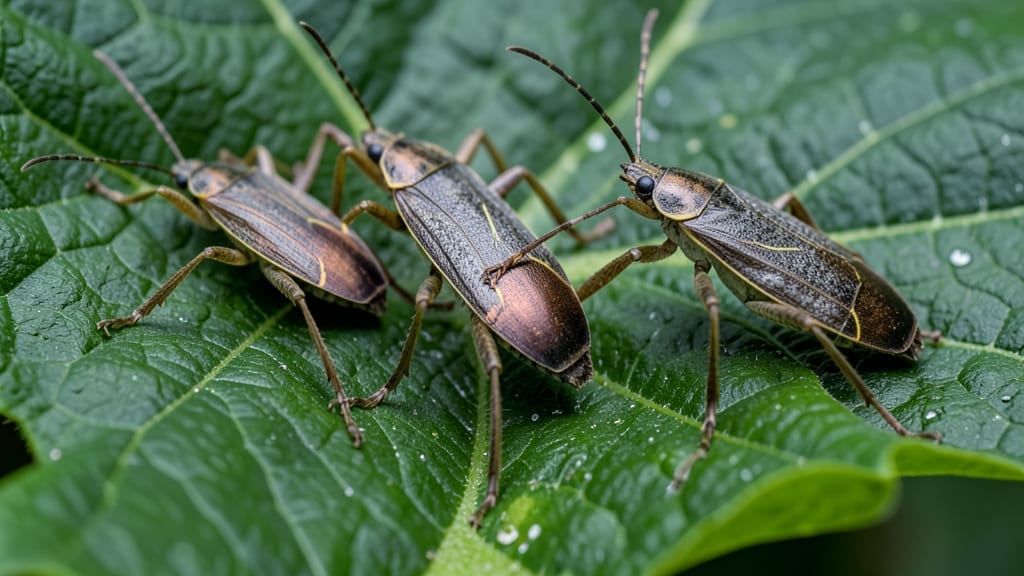
Learn how to prevent squash bugs before they turn your thriving garden into a battle zone faster than you can say "summer harvest"—I’ve lost entire rows of zucchini and pumpkins to these shield-backed invaders, but I’ve also learned how to outsmart them. they even lay eggs.
The secret isn't chemicals—it's understanding their life cycle and using natural barriers they can't penetrate.
These pests thrive in warm, dry conditions, which means your summer garden is their perfect playground. The good news? They're predictable. By combining early detection, physical barriers, and plant companions, you can protect your squash family without harming pollinators or your soil.
My go-to method starts with row covers in early spring and ends with a simple soap spray for stragglers.
Imagine walking through your garden in August and finding vibrant green leaves instead of skeletonized vines. That's the reality when you implement these strategies: fewer eggs laid, fewer adults overwintering, and plants that stay productive all season. The best part? These methods work for both backyard gardeners and larger plots.
Whether you're growing in raised beds, containers, or open ground, the same principles apply. Let's get your squash plants growing strong and your pests packing their bags for good.
The Hidden Triggers Behind Squash Bugs
Squash bugs aren’t just random pests—they thrive because of specific conditions in your garden. Understanding why they invade helps you disrupt their lifecycle before they become a full-blown problem. Here’s a breakdown of the key factors that turn your squash patch into their favorite buffet.
Squash bugs love dense, tangled foliage because it provides protection and easy access to sap. When you plant squash, pumpkins, or gourds too closely together, you’re creating a perfect hideout for these pests.
- Why it happens: Overcrowding reduces airflow, keeping leaves damp longer—ideal for squash bug eggs to hatch and thrive.
Adult bugs also hide under leaves, laying clusters of yellowish-brown eggs that go unnoticed until it’s too late. - Actionable insight: Space plants 3–4 feet apart (depending on the variety) to improve airflow and visibility. Remove excess vines to reduce hiding spots.
Squash bugs require moisture to survive, especially during their egg and nymph stages. Heavy dew, poor drainage, or frequent watering at the base of plants (rather than the soil) can turn your garden into a bug paradise.
- Why it happens:
- Eggs need moisture to hatch—if soil stays soggy, nymphs emerge faster.
- Adults seek damp areas to feed and reproduce.
- Fungal diseases (like powdery mildew) often appear in wet conditions, weakening plants and making them more vulnerable to squash bug attacks.
- Actionable insight:
- Water early in the morning (not overhead) to let foliage dry quickly.
- Improve soil drainage with compost or raised beds.
- Avoid mulching too heavily near stems—keep it 2–3 inches away to prevent moisture buildup.
Squash bugs prefer stressed plants because they’re easier to penetrate. Nutrient deficiencies, drought, or disease make leaves softer and more sap-rich, which is a squash bug’s dream meal.
- Why it happens:
- Nitrogen deficiency leads to pale, weak leaves—bugs detect this and attack first.
- Drought stress causes plants to produce more sugars in leaves, making them more attractive to pests.
- Damaged roots (from poor soil or compaction) reduce a plant’s ability to fight off invaders.
- Actionable insight:
- Fertilize properly: Use a balanced 10-10-10 or 5-10-10 fertilizer at planting, then switch to a low-nitrogen, high-potassium (like 0-0-50) when fruits appear to boost plant resilience.
- Mulch correctly: Use straw or shredded leaves (not plastic) to retain moisture without suffocating roots.
- Rotate crops annually to prevent soil-borne diseases that weaken plants.
If you plant squash too late in the season, the plants may not have enough time to harden off (develop thicker leaves and stronger defenses) before squash bugs arrive in force.
- Why it happens:
- Early-season plants often mature before peak bug activity, allowing them to outgrow the threat.
- Late plantings (especially in warm climates) coincide with adult squash bug migration, giving them a head start on feeding and reproducing.
- Actionable insight:
- Start seeds indoors 3–4 weeks before the last frost, then transplant when soil is 60°F+.
- Use row covers for the first 4–6 weeks to block adult bugs from laying eggs.
- Monitor weather patterns: If your area has a second wave of bugs in late summer, consider succession planting with fast-maturing varieties.
Squash bugs don’t just target your cultivated plants—they also feed on wild cucumbers, morning glories, and other cucurbit relatives growing nearby. These "backup meals" let their populations explode before they move to your garden.
- Why it happens:
- Weeds act as breeding grounds: Adults lay eggs on wild hosts, then migrate to your squash when it’s more tender.
- Uncontrolled growth gives bugs more options, so they don’t feel pressured to leave.
- Actionable insight:
- Remove weeds within a 10-foot radius of your squash patch, especially wild cucumbers and morning glories.
- Inspect nearby fields or abandoned lots—if neighbors have squash bugs, they’ll likely spread to you.
- Trap crops: Plant a small patch of bush cucumbers or zucchini far from your main garden to distract bugs away from your prized plants.
Squash bugs hibernate in leaf litter and garden debris during winter. When spring arrives and temperatures stabilize above 60°F, they wake up hungry and start reproducing at an alarming rate.
- Why it happens:
- One generation can become three in a single season if conditions are ideal.
- Hot, humid summers (like the Southeast U.S.) create perfect breeding conditions.
- Mild winters mean fewer bugs die off, leading to worse infestations the next year.
- Actionable insight:
- Clean up garden debris in fall and early spring—rake up leaves, old vines, and plant matter where bugs hide.
- Avoid tilling too early—this can expose overwintering eggs to the surface, where they’ll hatch faster.
- Monitor egg masses: Check the undersides of leaves weekly for flat, yellowish egg clusters—destroy them immediately with soapy water or neem oil.
Battle-Proof Your Garden Now
Squash bugs may seem relentless, but with the right strategies, you can reclaim your garden and protect your crops—without relying on harsh chemicals. Below, we’ve mapped out practical, actionable fixes based on the root causes of infestations, plus prevention tips to keep these pests at bay for good.
Fix: Give your squash, pumpkins, and cucumbers the space and care they need to thrive.
- 🌱 Thin seedlings early – Overcrowded plants stress easily, making them prime targets. Space vines 4–6 feet apart (check seed packets for variety-specific needs). - 💧 Water at the base, not the leaves – Wet foliage attracts squash bugs.
Use drip irrigation or water in the early morning so leaves dry quickly. - 🌿 Improve soil health – Healthy plants repel pests.
Mix in compost or worm castings before planting to boost immunity. - 🍃 Prune damaged leaves – Remove yellowing or chewed leaves immediately to reduce hiding spots and egg-laying sites.
💡 Pro Tip: Interplant with nasturtiums or marigolds—their strong scent confuses squash bugs and deters them from your main crops.
Fix: Squash bugs lay eggs in clumps on leaves, stems, or garden beds. Scrape them out before they hatch!
- 🔍 Inspect plants weekly – Check the undersides of leaves, stems, and soil surface for flat, tan egg clusters (they look like tiny footballs).
- 🧹 Scrape eggs into soapy water – Use a plastic scraper or credit card to gently remove eggs, then drop them into a bucket of soapy water to kill them.
- 🔥 Clean up garden debris – After harvest, remove all plant residue (vines, leaves, and even fallen fruits) and compost them away from the garden (or burn them).
- 🌱 Rotate crops yearly – Squash bugs overwinter in soil, so avoid planting cucurbits (squash, pumpkins, melons) in the same spot for at least 3 years.
✨ Prevention Hack: Lay cardboard or black plastic mulch around plants in early spring to smother overwintering eggs before they hatch.
Fix: Encourage beneficial insects and wildlife to police your garden naturally.
- 🐞 Attract ladybugs & lacewings – Plant dill, fennel, or yarrow to lure these squash bug hunters. They devour eggs and nymphs! - 🐸 Provide habitat for birds & toads – Install a birdbath or rock piles to attract predators.
Chickadees and robins love munching on squash bugs. - 🦋 Use neem oil sparingly – A diluted neem spray (1 tbsp neem oil + 1 tsp mild soap per quart of water) disrupts their life cycle without killing predators. - 🚫 Avoid broad-spectrum pesticides – Chemicals like malathion kill both pests and beneficial insects.
Stick to targeted solutions (handpicking, traps).
🎯 Targeted Trap Idea: Place yellow sticky traps near plants to catch adult squash bugs before they lay eggs.
Fix: Block squash bugs from reaching your plants with simple, DIY barriers.
- 🧶 Use row covers early – Install floating row covers (lightweight fabric) before bugs appear in spring. Secure edges with soil or bricks to prevent crawling underneath. - 🪟 Wrap stems with aluminum foil – Squash bugs hate the texture.
Wrap lower stems (where they crawl up) with crinkled foil for a slippery, uncomfortable barrier. - 🧴 Apply diatomaceous earth (DE) – Sprinkle food-grade DE around plant bases and on leaves.
It’s non-toxic but fatal to bugs by dehydrating them. Reapply after rain. - 🍄 Use crushed egg shells or sand – Create a 1-inch barrier around plants to deter adults from climbing up.
🔥 Hot Tip: Copper tape (available at garden centers) is another effective barrier—bugs avoid the metal’s electrical charge when they touch it.
Fix: Act fast if you spot adults or nymphs—delay = disaster.
- 🕵️♂️ Handpick adults daily – Squash bugs are slow movers.
Wear gloves, shake them into a bucket of soapy water, and dispose of them far from the garden. - 🧽 Use a shop vacuum – For heavy infestations, vacuum adults off plants (empty the bag away from the garden). - 💦 Blast them with water – A strong stream from a hose can knock them off plants—do this early in the day when bugs are sluggish. - 🌿 Quarantine new plants – If buying starts, inspect them for eggs before planting. Isolate them for 2 weeks to monitor for pests.
🌡️ Extreme Heat Trick: On sunny days (80°F+), squash bugs become lethargic. This is the best time to handpick or vacuum them!
To keep squash bugs from returning, follow this year-round plan:
✅ Spring:
- Scrape egg masses from soil and debris.
- Install row covers before bugs emerge.
- Plant trap crops (like zucchini) away from main garden to lure pests.
✅ Summer:
- Monitor weekly for eggs and adults.
- Encourage predators with companion plants.
- Remove fallen leaves/fruit promptly.
✅ Fall/Winter:
- Clean up all plant debris (compost far from garden).
- Rotate crops to break the bug’s life cycle.
- Cover soil with mulch to smother overwintering eggs.
Final Thought: Squash bugs are annoying but beatable—the key is consistency. Combine prevention, early action, and natural barriers, and you’ll keep your squash, pumpkins, and cucumbers thriving without a single bug in sight! 🚀🌱
Frequently asked questions
How do I know if I have squash bugs and not just regular pests?
Squash bugs have flat, oval bodies with grayish-brown shields and yellowish legs. Look for tan egg clusters (like tiny footballs) on leaf undersides or stems. Unlike aphids, they don’t leave sticky residue—they create skeletal leaf patterns from feeding. Nymphs are reddish-brown with white markings when young.
Can I use coffee grounds to repel squash bugs?
Coffee grounds can help slightly, but they’re not a reliable solution. The caffeine may deter some bugs, but squash bugs are tough. For better results, mix coffee grounds with diatomaceous earth (1:1 ratio) and sprinkle around plant bases. Reapply after rain. The best defense is still row covers or handpicking.
Why do squash bugs always return even after I treat them?
They likely overwinter in your garden! Squash bugs hide in leaf litter, mulch, or garden debris during winter. To break the cycle: clean up all plant residue in fall, rotate crops (don’t plant cucurbits in the same spot for 3+ years), and inspect soil for egg masses in spring before they hatch.
Are there any squash varieties that squash bugs hate?
No variety is completely immune, but some are less attractive. Try butternut squash or acorn squash—their tougher skins deter feeding. Bush varieties (like bush zucchini) are easier to protect with row covers than sprawling vines. The key is healthy plants—well-fed squash with thick leaves resist damage better.
How often should I check for squash bug eggs?
Inspect your plants weekly, especially after rain or warm spells (when eggs hatch fastest). Focus on leaf undersides, stems, and soil near plants. Early detection is critical—one egg mass can produce 50+ bugs in a season! Use a magnifying glass if needed; eggs are tiny (1/16-inch) and tan-colored.