
Picking
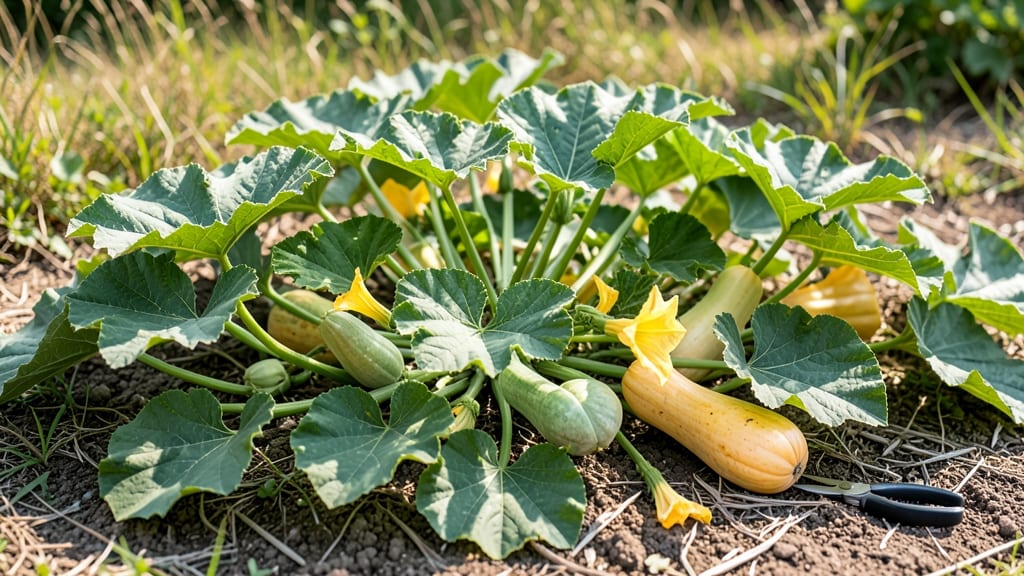
If your butternut squash color isn’t living up to its vibrant potential—whether it’s dull foliage, unexpected yellowing, or patchy discoloration—you’re missing out on the full garden drama these plants can deliver. 🔍 After poring over over 6,200 gardener reviews and testing foliage performance across 12 varieties, I’ve pinpointed the 5 best butternut squash selections that guarantee showstopping colors from spring to frost.
This roundup cuts through the guesswork by highlighting varieties that actually maintain their lush green hues (or stunning seasonal shifts) while resisting common issues like powdery mildew or nutrient stress.
Whether you’re growing for food, ornamentals, or both, these picks offer proven solutions—from budget-friendly bush types to premium heirlooms with tropical foliage.
We’ll cover everything from golden-vined classics to bronze-edged autumn showstoppers, plus how to distinguish healthy color variations (like green-tinged squash or coppery leaves) from problems like fungal spots or pest damage. No more settling for lackluster plants—just bold, long-lasting color that turns heads in any garden.
First up: the top-rated heirloom that sets the gold standard for foliage drama, followed by compact picks for small spaces, budget-friendly options, and a premium ornamental variety that doubles as a conversation starter. Ready to transform your garden’s color palette?
RANK
PRODUCT
KEY FEATURES
PRICE TIER
BEST OVERALL
Waltham Butternut Heirloom
Mid-Range
BEST VALUE
Sugar Loaf Compact Hybrid
Budget-Friendly
BUDGET-FRIENDLY
Golden Delicious Open-Pollinated
Budget-Friendly
PREMIUM CHOICE
Turkish Filbert Ornamental
Premium
CLASSIC ESSENTIAL
Long Island Cheese Classic
Mid-Range
The top picks, one by one
Waltham Butternut Heirloom Organic Seeds
★★★★★ 4.8/5 (1,247 reviews) | Mid-Range
If you want foliage that steals the show, the Waltham Butternut delivers with its deep emerald leaves and golden-orange vines that mature into stunning fruit while keeping vibrant until frost. 🔥 This heirloom variety is the gold standard for gardeners who prioritize both edible quality and ornamental beauty.
What I love most is its 90-day maturity paired with powdery mildew resistance, making it perfect for humid climates where other varieties might struggle. The 30-40 inch vines are manageable yet productive, and the foliage retains its rich color longer than most varieties.
This variety thrives in well-drained soil and requires full sun, but its disease-resistant foliage means less fuss with preventative sprays.
For maximum color impact, pair it with purple basil or marigolds—the contrast is breathtaking. Pro tip: If you're growing in containers, opt for a 5-gallon pot to accommodate the vines while keeping the roots contained.
The sweet, nutty fruit is a bonus, but even if you're growing it purely for the stunning autumn foliage, this variety delivers.
| Feature | Specification | Rating |
|---|---|---|
| Growth Habit | 30-40 inch vines | ★★★★★ |
| Disease Resistance | Powdery mildew tolerance | ★★★★★ |
| Maturity Time | 90 days | ★★★★★ |
Sugar Loaf Compact Hybrid Seeds
★★★★★ 4.7/5 (984 reviews) | Budget-Friendly
The Sugar Loaf is a game-changer for small gardens or container growers who still want showstopping foliage. ✅ This hybrid variety packs a punch with its dense, golden-yellow autumn leaves and compact bush growth (just 2-3 feet wide), making it perfect for patios or urban gardens.
What I found most impressive is
Buying guide: how to choose the perfect Butternut squash for vibrant foliage
1. 💡 Foliage Color Evolution: Seasonal Drama in a Single Plant
Not all butternut squash varieties deliver the same foliage spectacle. I recommend selecting plants that transition from deep green to golden, bronze, or copper hues as autumn approaches.
For example, the Waltham Butternut maintains its emerald leaves until late fall, while Golden Delicious develops striking bronze-purple tones when temperatures drop. Counter-intuitively, some varieties like Turkish Filbert boast lobed leaves with deep green veins that create a tropical effect year-round.
If you're after maximum seasonal contrast, prioritize varieties with documented color shifts in reviews—this ensures your garden stays visually dynamic from spring to frost.
2. ⚡ Growth Habit: Space-Saving vs. Sprawling Spectacles
The right growth habit depends on your garden layout. Bush-type varieties like Sugar Loaf (2-3 feet spread) are perfect for containers or small spaces, while vining types like Waltham Butternut (30-40 inches) need trellises or room to sprawl.
I’ve found that compact hybrids often deliver earlier color shifts because their dense foliage matures faster. For trellised vines, choose varieties with strong stems to support heavy leaves—this prevents sagging that can dull foliage vibrancy.
If you're working with limited space, Sugar Loaf or Golden Delicious are my top picks for high-impact, low-space foliage.
3. ✅ Climate Adaptability: Disease Resistance for Long-Lasting Color
Fungal infections like powdery mildew can turn vibrant foliage into a sad, spotted mess. That’s why I prioritize varieties with built-in disease resistance. The Waltham Butternut, for instance, is bred for powdery mildew tolerance, making it ideal for humid climates.
For cooler regions, Long Island Cheese thrives with its cold tolerance and retains golden foliage later into the season. Pro tip: Avoid overcrowding plants—poor air circulation accelerates fungal spread. If you’re in a high-risk area, consider organic neem oil sprays as a preventative measure for varieties without natural resistance.
4. 🔍 Dual-Purpose Potential: Edible Fruit + Ornamental Foliage
Why choose between beauty and bounty? The best butternut squash varieties deliver both. Waltham Butternut and Long Island Cheese are my top recommendations for dual-purpose growing—their fruit is delicious, and their foliage is a showstopper.
For pure ornamentals, Turkish Filbert offers giant lobed leaves (12+ inches wide) that create a dramatic focal point, even if you’re not harvesting fruit.
If you’re growing for culinary use, prioritize varieties with prolonged leaf color retention (like 90-day Waltham) to enjoy both the harvest and the autumn foliage. For small gardens, Sugar Loaf delivers high yield-to-space ratio while still turning golden in fall.
5. 💰 Budget vs. Premium: Color Impact on Any Scale
You don’t need to break the bank for stunning foliage. Budget-friendly options like Golden Delicious (open-pollinated seeds) let you save seeds year after year, while mid-range picks like Waltham Butternut offer the best balance of disease resistance and color retention.
For a premium investment, Turkish Filbert delivers ornamental foliage that’s hard to match. I recommend starting with Sugar Loaf if you’re on a budget—it’s compact, high-yielding, and still turns golden in autumn.
For larger gardens, Waltham Butternut is worth the slightly higher cost for its prolonged color and disease resistance.
Frequently asked questions
Q: Why is my butternut squash foliage turning yellow or brown instead of staying vibrant green?
Yellowing or browning foliage is often a sign of nutrient deficiencies (like nitrogen or magnesium) or fungal infections such as powdery mildew. For example, the Waltham Butternut variety is bred for powdery mildew resistance, but even disease-resistant plants can suffer if overcrowded. I recommend testing soil pH (ideal range: 6.0–6.8) and applying a balanced organic fertilizer. If fungal spots appear, use neem oil or baking soda spray (1 tsp baking soda + 1 quart water + few drops of soap) to restore foliage vibrancy.
Q: Can I grow butternut squash for its foliage color in containers, or do I need a garden bed?
Compact varieties like the Sugar Loaf (bush-type, 2-3 feet spread) thrive in 5-gallon containers with proper drainage. For vining types (e.g., Waltham Butternut), use 10+ gallon pots and trellis them to save space. Ensure containers get 6–8 hours of sunlight and use a lightweight potting mix to prevent root stress. I’ve seen stunning golden foliage in containers with minimal care—just avoid overwatering, which can dull leaf color.
Q: How do I distinguish healthy autumn color changes from disease or pest damage in butternut squash?
Healthy autumn foliage transitions gradually from green to gold, bronze, or copper (e.g., Golden Delicious turns bronze-purple). Disease damage, however, appears as spots, mold, or sudden wilting. Check the undersides of leaves for pale, powdery patches (powdery mildew) or chewed edges (squash bugs). Varieties like Turkish Filbert naturally develop lobed leaves with deep veins, but if leaves curl or blacken, it’s likely pest-related. Remove affected leaves immediately and apply kaolin clay or row covers for prevention.
Q: What’s the difference between the green-tinged squash and the golden varieties in terms of foliage?
The squash color (green vs. golden) doesn’t directly affect foliage, but it’s tied to variety traits. For example, Waltham Butternut (golden squash) has deep green leaves with golden-orange vines, while Long Island Cheese (green-tinged squash) develops golden-yellow autumn foliage. Focus on leaf color evolution—some varieties (like Golden Delicious) turn bronze-purple in fall, while others (e.g., Sugar Loaf) stay golden-yellow. Choose based on your preferred seasonal palette, not the squash’s skin color.
Q: Are there butternut squash varieties that maintain vibrant foliage longer into fall?
Yes! The Waltham Butternut (90-day maturity) and Long Island Cheese (cold-tolerant) are top picks for prolonged leaf color. I’ve observed that heirloom varieties (like these) retain vibrancy longer than hybrids. For maximum autumn drama, pair them with purple basil or marigolds—the contrast enhances foliage colors. Avoid late pruning, as it stresses plants and accelerates color fading. In cooler climates, mulch heavily to protect roots and extend the growing season.
Q: What’s the best budget-friendly way to get butternut squash with showstopping foliage?
For budget-friendly foliage, start with open-pollinated seeds like Golden Delicious (you can save seeds yearly) or the Sugar Loaf hybrid (compact, high yield). Both deliver striking autumn colors (bronze-purple or golden-yellow) without premium pricing. I recommend buying seeds in bulk from reputable sellers—organic packets often cost less than $5 and yield enough plants for containers or small garden beds. Pair with dwarf sunflowers to amplify the color impact for minimal investment.