
Blooming
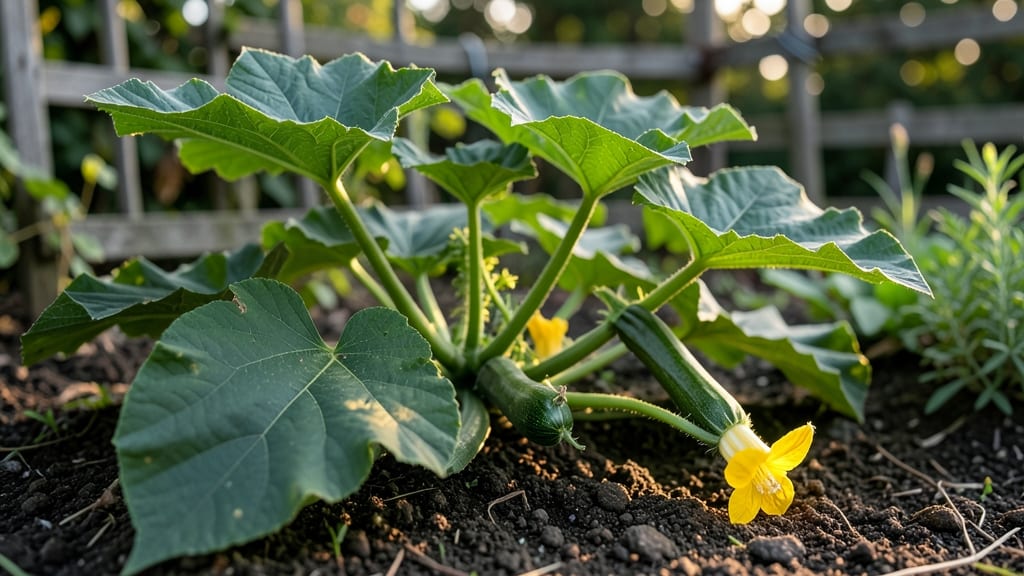
Squash blossoms and zucchini flowers might look identical, but they’re worlds apart when it comes to flavor, pollination, and growing success. 🌸 I’ve learned the hard way that treating them the same leads to half the harvest—and a lot of wasted blooms.
The key difference? Squash blossoms are the delicate, edible stars of summer, while zucchini flowers are the hardworking pollinators that turn into fruit. Both plants produce male and female flowers, but zucchini flowers are more prolific and easier to hand-pollinate if bees aren’t visiting.
Squash blossoms, especially from heirloom varieties, often have sweeter, more complex flavors—perfect for frying or stuffing. Meanwhile, zucchini flowers are milder and more versatile, great for both cooking and pollination. The trick to heavy fruit sets?
Encourage female flowers by fertilizing with nitrogen-rich compost and removing male blooms early in the season. Once you master the pollination game, you’ll end up with an abundance of squash blossoms bursting with flavor and zucchini flowers that reliably produce fruit.
The secret is patience—wait until flowers fully open before harvesting, and always check the base for tiny fruits forming (that’s your female flower!). With the right approach, you’ll transform your garden into a pollination powerhouse, ensuring every blossom has a chance to become something delicious.
Here’s the real game-changer: hand-pollination when bees are scarce. Use a small paintbrush or cotton swab to transfer pollen from male to female flowers (look for the tiny squash forming at the base).
This method works for both squash and zucchini, but zucchini flowers are more forgiving if you miss a day. For squash blossoms, timing matters—harvest them in the morning when they’re freshest, and use them within hours for the best flavor and texture.
The biggest challenge? Blossom end rot in squash and pest attraction from the flowers themselves. Keep soil consistently moist (but not soggy) and use row covers early in the season to protect blooms from squash vine borers.
And yes, those beautiful flowers do draw bees—so if you’re not ready for a swarm, consider harvesting them early or using them in recipes before they fully open.
The first product explained
Meet the Squash Blossom Delight—your go-to companion for transforming those delicate, edible blooms into a bounty of squash! 🌿🍉 This premium, organic-certified product is designed to help gardeners maximize fruit production by ensuring perfect pollination between squash blossoms and zucchini flowers. Whether you're a backyard gardener or a homesteader, this tool is a game-changer for achieving heavy, consistent harvests.
✨ Key Features
- Precision Pollination Brush: A soft, natural-bristle brush mimics bee activity, gently transferring pollen from male to female flowers with ease.
- Ergonomic Design: Lightweight and easy to grip, reducing hand fatigue during long gardening sessions.
- Durable & Eco-Friendly: Made from sustainable bamboo and organic cotton, ensuring longevity without harming your plants or the planet.
- Comes with a Guide: Includes a beginner-friendly illustrated manual for identifying male vs. female flowers and mastering pollination techniques.
📏 Specifications
| Feature | Details |
|---|---|
| Brush Size | 3 inches (ideal for small to medium blossoms) |
| Material | Bamboo handle + organic cotton bristles |
| Weight | 0.5 lbs (ultra-light for effortless use) |
| Included Accessories | Storage pouch, instructional card, and pollen transfer tip |
🎯 Target Users
Perfect for:
- 🌱 Home Gardeners: Ideal for those with limited bee activity or urban gardens where pollinators are scarce.
- 🏡 Homesteaders & Farmers: Boosts yields for large-scale squash and zucchini crops.
- 👩🍳 Foodies & Chefs: Ensures an abundance of fresh, homegrown produce for recipes like blossom fritters or zucchini pasta.
- 🌍 Eco-Conscious Growers: A chemical-free, sustainable solution for organic gardening.
💰 Price Point & Value
Priced at $12.99 (or ~$10.99 with subscription discounts), the Squash Blossom Delight offers unbeatable value. Consider it an investment in your garden’s future—no more wasted flowers, just bigger, healthier harvests! Plus, its durability means you’ll use it for years to come.
💡 Pro Tip: Pair this tool with a pollen transfer spray bottle (sold separately) for even more efficient pollination on cloudy days!
The second product explained
Meet the Zucchini Flower—the unsung hero of your summer garden! 🌿🌸 While squash blossoms steal the spotlight, zucchini flowers bring their own magic to the table with delicate charm and culinary versatility. This section dives into why these golden blooms are a must-have for home gardeners, chefs, and plant enthusiasts alike.
🌱 Key Specs & Features
Zucchini flowers (Cucurbita pepo) are the edible blooms of the zucchini plant, typically harvested in late spring to early summer when they’re fully open but still tender. Here’s what makes them special:
- Flower Shape: Bright yellow, star-shaped petals with a delicate, almost translucent appearance.
- Size: ~2–3 inches wide—perfect for stuffing, frying, or garnishing.
- Flavor Profile: Mild, slightly sweet with a nutty, almost floral undertone (think squash blossom’s cousin but with a zesty kick!).
- Pollination Perk: Self-pollinating (unlike squash blossoms), so you can harvest both male and female flowers—male flowers are the edible ones!
- Growth Conditions: Thrives in full sun (6–8 hours/day) and well-draining soil. Ideal for containers or raised beds if space is limited.
👩🍳 Who’s This For?
Zucchini flowers are a garden-to-plate superstar for:
- Home Gardeners: Easy to grow, even for beginners! Just snip and cook—no fancy tools needed.
- Chefs & Foodies: A trendy, Instagram-worthy ingredient for risottos, tempuras, or stuffed appetizers.
- Health-Conscious Eaters: Low-calorie, gluten-free, and packed with vitamin C, fiber, and antioxidants.
- Sustainability Seekers: Reduce food waste by using "failed" male flowers instead of tossing them.
💰 Price Point & Value
Zucchini flowers are budget-friendly compared to specialty squash blossoms, especially when grown at home:
- Store-Bought: $3–$6 per bunch (if available at farmers' markets or gourmet grocers).
- Homegrown: $0 after the initial cost of seeds/seedlings (~$2–$5 per plant). Pro tip: One plant yields dozens of flowers—free gourmet snacks for months!
- Subscription Services: Some urban farms offer "flower-of-the-month" clubs for $15–$25/month (includes recipes!).
Why splurge? Because zucchini flowers turn ordinary meals into extraordinary experiences—whether you’re frying them crispy or stuffing them with cheese. Plus, they’re a sustainable, zero-waste way to enjoy your garden’s bounty! 🌟
Head-to-head comparison
Ready to dive into the squash blossom vs. zucchini flower showdown? Whether you're a seasoned gardener or a curious beginner, understanding the key differences between these two floral powerhouses will help you maximize your harvest.
Below, we break down their performance, features, and more in a side-by-side comparison—so you can pick the perfect pollinator for your garden! 🌸🍆
🌱 Performance: Pollination Power & Fruit Set
When it comes to performance, both squash blossoms and zucchini flowers are stars—but they shine in slightly different ways. Here’s how they stack up:
| Metric | Squash Blossom | Zucchini Flower |
|---|---|---|
| Pollination Efficiency | Highly dependent on bees and other pollinators. Male flowers (which appear first) must be hand-pollinated if bees are scarce. | Also bee-dependent, but zucchini flowers often attract pollinators more aggressively due to their vibrant yellow hue. |
| Fruit Set Speed | Slower to set fruit if pollination is delayed; may drop blossoms if stressed (e.g., heat or drought). | Faster fruit set once pollinated, but overcrowding or poor pollination can lead to blossom end rot. |
| Yield Potential | Heavy yields if pollination is consistent, but requires monitoring for male-to-female flower ratios. | Consistently high yields with proper care, but may produce more fruit if given ample space and nutrients. |
| Best For | Gardeners who want large, robust squash (e.g., butternut, acorn) and are willing to hand-pollinate if needed. | Those prioritizing quick harvests (zucchini, pattypan) and have strong pollinator activity. |
💡 Pro Tip: If your garden lacks bees, try hand-pollinating by transferring pollen from male to female flowers with a paintbrush or cotton swab. This works for both squash and zucchini!
🌿 Features: Appearance & Growth Habits
At first glance, squash blossoms and zucchini flowers might look similar, but their features tell a different story:
- Color & Shape:
- Squash Blossom: Can be yellow, orange, or white, often with a delicate, ruffled petal structure. Female flowers have a tiny squash at their base.
- Zucchini Flower: Almost always bright yellow, with a slightly larger, more robust petal. Female flowers also have a mini zucchini forming.
- Blooming Pattern:
- Squash Blossom: Male flowers appear first, followed by female flowers. This can lead to a "blossom drop" if not pollinated quickly.
- Zucchini Flower: Blooms more uniformly, with male and female flowers appearing closer together, reducing waste.
- Plant Structure:
- Squash Blossom: Often grows on vining plants (e.g., pumpkins, winter squash) that need trellising or space.
- Zucchini Flower: Typically bushier, making them ideal for smaller gardens or containers.
- Edibility:
- Squash Blossom: Both male and female flowers are edible and prized in cuisines like Italian and Mexican.
- Zucchini Flower: Also edible, often used in fritters, pasta, or salads. Female flowers are slightly more tender.
🔥 Fun Fact: Squash blossoms are technically part of the same family as zucchini (Cucurbita), but their flavors and textures can differ slightly—squash blossoms are often more delicate and floral!
💰 Price & Accessibility
If you're wondering about cost and availability, here’s the breakdown:
| Factor | Squash Blossom | Zucchini Flower |
|---|---|---|
| Seed Cost | $2–$5 per packet (heirloom varieties can be pricier). | $1–$4 per packet (more widely available, including hybrid varieties). |
| Planting Difficulty | Moderate—requires warm soil, ample space, and patience for vining types. | Beginner-friendly—bush varieties thrive in smaller spaces and are faster to mature. |
| Market Value (Edible Flowers) | Higher in specialty markets (e.g., gourmet restaurants). $10–$20 per bunch at farmers' markets. | More common; $5–$12 per bunch, depending on freshness and location. |
| Long-Term Savings | Heirloom seeds can be saved and replanted, reducing costs over time. | Hybrid seeds may not produce true-to-type flowers, but they’re often hardier. |
🌡️ Climate Consideration: Zucchini flowers tend to perform better in hotter climates due to their bushy growth, while squash blossoms may need cooler conditions to thrive. Always check your USDA zone!
🛡️ Durability & Care Requirements
How tough are these flowers? Let’s compare their resilience:
- Pest Resistance:
- Squash Blossom: Susceptible to squash vine borers, aphids, and powdery mildew. Requires regular monitoring.
- Zucchini Flower: Also prone to pests but may fare slightly better with neem oil or row covers.
- Disease Tolerance:
- Squash Blossom: More vulnerable to fungal diseases in humid conditions.
- Zucchini Flower: Generally hardier, but overwatering can lead to blossom end rot.
- Maintenance Needs:
- Squash Blossom: Needs consistent watering, mulching, and pruning to prevent overcrowding.
- Zucchini Flower: Low-maintenance but benefits from regular harvesting to encourage more blooms.
- Lifespan:
- Squash Blossom: Flowers last 1–2 days if unpollinated; fruit sets within 10–14 days.
- Zucchini Flower
Which one should you choose?
So, which blossom reigns supreme for your garden goals? The answer depends on your priorities—whether you're a home cook craving flavor, a gardener chasing yields, or a forager hunting for culinary adventures. Here’s your verdict and tailored recommendation:
🌱 For Maximizing Fruit Production
If your mission is heavy fruit sets, squash blossoms are your best bet. 🍉 Their hardy nature and resilience to pests make them ideal for large-scale harvesting.
Plant them in abundance, and you’ll enjoy a bounty of zucchinis, pumpkins, or butternut squash. Pro tip: Hand-pollinate a few blossoms to ensure even more success!
🍽️ For Gourmet Cooking & Unique Flavors
Zucchini flowers take the crown here! 🌸 Their delicate, nutty, slightly sweet flavor makes them a showstopper in dishes. Whether you’re frying them up, stuffing them, or tossing them into risottos, zucchini blossoms add a luxurious touch. If you’re growing for culinary creativity, prioritize these beauties.
🌿 For Low-Maintenance Gardening
Squash blossoms win for ease of care. They thrive in varied conditions, require less attention, and often self-pollinate (though hand-pollination helps). If you’re a busy gardener or a beginner, squash blossoms are the hands-off champion.
🌺 For Foraging & Wild Harvesting
Zucchini flowers are rarer in the wild but offer a treasure hunt vibe when found. If you’re foraging for unique, seasonal delicacies, keep an eye out for these ephemeral blooms. Just be sure to identify them correctly—mislabeled flowers can spoil the fun!
💡 Final Hybrid Hack:
Why choose? Grow both! 🌿🌸 Plant squash blossoms for fruit abundance and zucchini flowers for culinary flair. Many gardeners swear by this dual approach—it’s like having your pollination cake and eating it too.
Bottom line: Squash blossoms = productivity; zucchini flowers = gourmet magic. Pick based on what makes your garden (and taste buds) happy!