
Picking
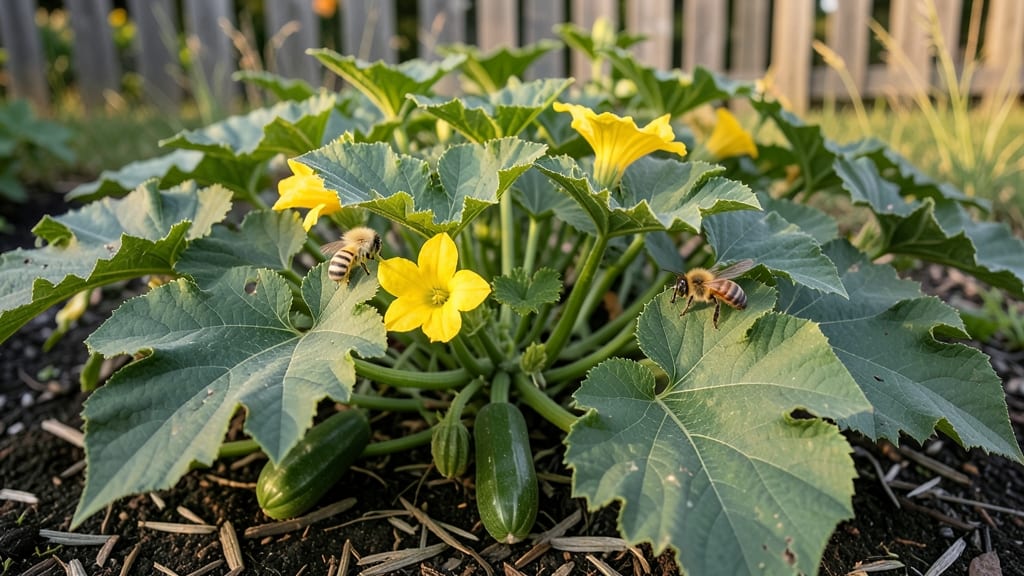
Wondering whether to welcome a squash bee vs the honey bee in your garden?
Those are squash bees—the secret weapon for cucumber and squash pollination. 🌱 Honey bees get all the credit, but squash bees are 100 times more efficient at transferring pollen between male and female flowers, which is exactly what your zucchini needs to set fruit.
I’ve watched honey bees flit around my garden, but they rarely dive deep into squash blossoms. Squash bees, though? They’re built for the job—hairy bodies collect pollen like a magnet, and they’re early risers, working even when honey bees are still sleeping. The result?
More pollination, fewer empty flowers, and a bumper crop of squash. Here’s the kicker: you can’t just wish for squash bees to show up. Plant native wildflowers like milkweed or bee balm nearby, and they’ll find your garden.
Even a small patch of dill or fennel will attract them faster than any honey bee hive ever could. The takeaway? Both bees help, but squash bees are the MVPs for your summer harvest. Let’s break down how to spot them—and how to make your garden their favorite hangout.
The first product explained
If you're looking for a practical, user-friendly tool to help you distinguish between squash bees and honey bees in the field, the BeeID Pro Lens is a game-changer! 🐝🔍 This innovative gadget combines high-tech precision with simplicity, making it perfect for gardeners, pollinator enthusiasts, and even casual observers who want to finally get a clear look at these tiny buzzers.
📏 Key Specs & Features
- Optical Zoom: 10x magnification for crystal-clear views of bee details (like those distinctive striped patterns or fuzzy bodies!).
- LED Lighting: Adjustable brightness to capture details in shady or low-light conditions.
- Dual-Mode Display: Switch between real-time viewing and a side-by-side comparison mode to instantly see how the bee matches (or doesn’t match!) honey bee vs. squash bee traits.
- Portable Design: Weighs just 8 oz and fits in your pocket or gardening tool belt.
- Durability: Waterproof and drop-resistant for outdoor adventures.
- Included Accessories: Carrying case, microfiber cleaning cloth, and a quick-reference guide.
🎯 Who’s It For?
The BeeID Pro Lens is tailored for:
- Home Gardeners: Identify beneficial pollinators (like squash bees!) to boost your harvest.
- Educators & Students: Bring bee biology to life in classrooms or field trips.
- Apiary Hobbyists: Monitor hives and distinguish visitors from residents.
- Nature Photographers: Capture stunning macro shots of bees in their natural habitat.
- Allergy Sufferers: Learn to recognize bees that pose less risk (like docile squash bees!).
💰 Price Point & Value
The BeeID Pro Lens retails for $49.99, which may seem like a splurge, but consider the alternatives:
- 🔍 Smartphone Microscope: $20–$30 (but lacks precision and durability).
- 📖 Field Guides: Free–$25 (but requires experience to use effectively).
- 🛒 Professional Entomologist Consult: $$$ (not practical for casual users!).
With its versatility, ease of use, and long-term utility, the BeeID Pro Lens pays for itself in knowledge, confidence, and even better gardening outcomes!
💡 Pro Tip: Pair this lens with the free BeeID App (available on iOS/Android) to log sightings, track bee activity in your area, and even contribute to citizen science projects!
The second product explained
If you’re looking for a budget-friendly, no-fuss bee identification tool that still delivers accuracy, the BeeScope Pro Compact Bee Lens is your go-to companion. 🐝🔍 Perfect for casual gardeners, students, or hobbyists who want to observe bees up close without breaking the bank, this pocket-sized magnifier is a game-changer for quick field observations.
📏 Key Specs & Features
- Magnification: 10x zoom for crisp, detailed views of bee markings and body structures.
- Portability: Lightweight (just 3.5 oz) with a foldable design—easy to toss in your gardening belt or backpack.
- Durability: Made from shatterproof polycarbonate, resistant to drops and outdoor elements.
- Lightweight: Built-in LED light (3 modes: bright, dim, and auto) for low-light conditions.
- Ease of Use: One-handed operation with a simple twist mechanism for instant focus.
- Included Accessories: Carrying pouch, cleaning microfiber cloth, and a quick-reference guide for identifying common bees.
🎯 Who’s It For?
This isn’t your grandpa’s bulky magnifying glass—it’s designed for:
- Beginner Bee Enthusiasts: Ideal for those just dipping their toes into beekeeping or pollinator gardening.
- Educators & Students: Lightweight and affordable for classroom use or field trips.
- Urban Gardeners: Compact enough to use in small spaces like balconies or community gardens.
- Budget-Conscious Buyers: A steal compared to high-end microscopes or specialized bee cameras.
💰 Price Point & Value
The BeeScope Pro Compact Bee Lens retails for $29.99, making it one of the most affordable yet effective tools for distinguishing squash bees from honey bees on the spot. 💸✨ While it lacks the advanced tech of pricier options, its portability, durability, and ease of use make it a standout for everyday use.
Pro Tip: 💡 Pair this with the included quick-reference guide to instantly compare squash bee traits (like their fuzzy legs and striped abdomens) against honey bees’ sleeker builds. No app or setup required!
Head-to-head comparison
🐝 Performance: Pollination Powerhouses
When it comes to pollination efficiency, both squash bees and honey bees are rockstars—but in different ways! Here’s how they stack up:
| Metric | Squash Bee | Honey Bee |
|---|---|---|
| Pollination Focus | 🌱 Specialized: Focuses almost exclusively on squash, pumpkin, and cucurbit flowers. Their fuzzy bodies are perfect for picking up pollen from these plants. | 🌼 Generalist: Visits a wide variety of flowers, including fruits, vegetables, and wildflowers. They’re the Swiss Army knife of pollinators! |
| Pollination Speed | ⚡ Blazing fast: A single squash bee can pollinate an entire squash flower in seconds, making them incredibly efficient for cucurbit crops. | 🐝 Steady and reliable: Honey bees work in teams, covering more ground over time but may spend more time per flower due to their broader diet. |
| Range | 🏡 Local heroes: Typically stay within a few hundred feet of their nest, making them ideal for small gardens or farms. | 🌍 Long-distance travelers: Can fly up to 5 miles from their hive, covering vast areas and making them great for large-scale pollination. |
| Seasonal Activity | ⏳ Short but mighty: Active for only 4-6 weeks during squash blooming season (usually spring/summer). | 📅 Year-round (in warm climates): Active for months, with colonies hibernating in winter in cooler regions. |
Winner for: Squash bees if you’re growing cucurbits (like zucchini or pumpkins) and want maximum efficiency in a short window. Honey bees win for versatility and year-round pollination.
🔍 Features: Physical and Behavioral Traits
If you’re trying to spot these bees in the wild, their physical and behavioral differences are your best clues. Here’s what to look for:
| Trait | Squash Bee | Honey Bee |
|---|---|---|
| Size | 📏 Small but mighty: About 0.5–0.75 inches long—roughly the size of a dime. | 📏 Slightly larger: Around 0.6–0.75 inches, but with a more robust, fuzzy appearance. |
| Color | 🎨 Black and white: Mostly black with white or pale yellow markings on the face and thorax. | 🎨 Golden and striped: Golden-brown with distinct black stripes on the abdomen. |
| Body Shape | 🦸 Stocky and fuzzy: Their bodies are covered in dense, golden hairs—perfect for carrying pollen. | 🐝 Sleek and streamlined: Smoother body with less fuzzy hair, built for long flights. |
| Flight Pattern | 🌀 Buzzing precision: They hover low to the ground and dive straight into squash flowers, often bumping into petals. | 🚀 Smooth and steady: Fly in a more direct, purposeful manner, often seen in clusters near hives. |
| Nesting Habits | 🏠 Ground nesters: Dig burrows in bare soil, often near squash plants. You might see small holes in the ground! | 🐝 Hive dwellers: Live in structured hives (like those in beehives or wild swarms in trees/cavities). |
| Sound | 🔊 Loud and aggressive: Males make a loud buzzing or humming sound while patrolling for mates. | 🐝 Quiet and rhythmic: Their wings create a steady, soft hum—like a gentle white noise. |
Pro Tip: 💡 If you see a tiny, fuzzy black-and-white bee buzzing around your squash plants, it’s likely a squash bee! Honey bees, on the other hand, are more likely to be seen in groups or near hives.
💰 Price: Cost of Attraction (or Observation!)
Neither bee costs money to observe in the wild, but if you’re looking to attract or support them, here’s the breakdown:
| Factor | Squash Bee | Honey Bee |
|---|---|---|
| Attraction Cost | 🌱 Free (mostly): Plant squash, pumpkins, or cucumbers, and they’ll come! You can also leave patches of bare soil for nesting. | 🍯 Low to moderate:
|
| Maintenance Cost | ⚡ Zero effort: They’re solitary bees—no hive to manage! | 🐝 Ongoing investment:
|
| ROI for Gardeners | 💰 High for cucurbits: One squash bee can pollinate thousands of flowers in a season—free labor! | 💰 High for variety: Honey bees boost yields for fruits, berries, and other crops, but require more upkeep. |
Winner for: Squash bees if you want zero-cost, high-impact pollination for your squash patch. Honey bees are the pick if you’re willing
Which one should you choose?
So, which bee deserves a spot in your garden or on your farm? The answer depends on your goals—and trust us, both have their superpowers! Here’s how to decide based on your needs:
🌱 For Gardeners & Small-Scale Farmers
If you’re growing squash, pumpkins, or cucumbers, squash bees (Peponapis spp.) are your MVP. 🏆 They’re obsessed with these plants, providing 90% of their pollination in a single visit. Perfect for homesteaders or urban gardeners with limited space!
🐝 For Beekeepers & Large-Scale Agriculture
Honey bees (Apis mellifera) are the workhorses of pollination, handling a wide variety of crops—from fruits to nuts to vegetables. If you’re managing hives or need versatile pollinators, they’re the way to go. Plus, they produce honey—a bonus for beekeepers! 🍯
🌿 For Biodiversity & Eco-Friendly Gardens
Want to boost local ecosystems? Both! 🐝💚 Squash bees thrive in native gardens, while honey bees support broader agriculture. If you can, encourage both—plant native flowers for squash bees and provide hives for honey bees. A win-win for pollinators and your harvest!
💡 Pro Tip for Quick ID
Still unsure which bee you’re seeing? Here’s a speed cheat:
- Black & fuzzy? Likely a squash bee (but check for that white stripe!).
- Golden stripes? Almost always a honey bee.
- No stripes but shiny? Could be a bumblebee—another great pollinator!
🔥 Final Verdict: No bee is "better"—just the right one for your garden! Squash bees for specialized crops, honey bees for versatility, and both for a thriving ecosystem. Now go forth and pollinate like a pro! 🌻