
Companion Plants
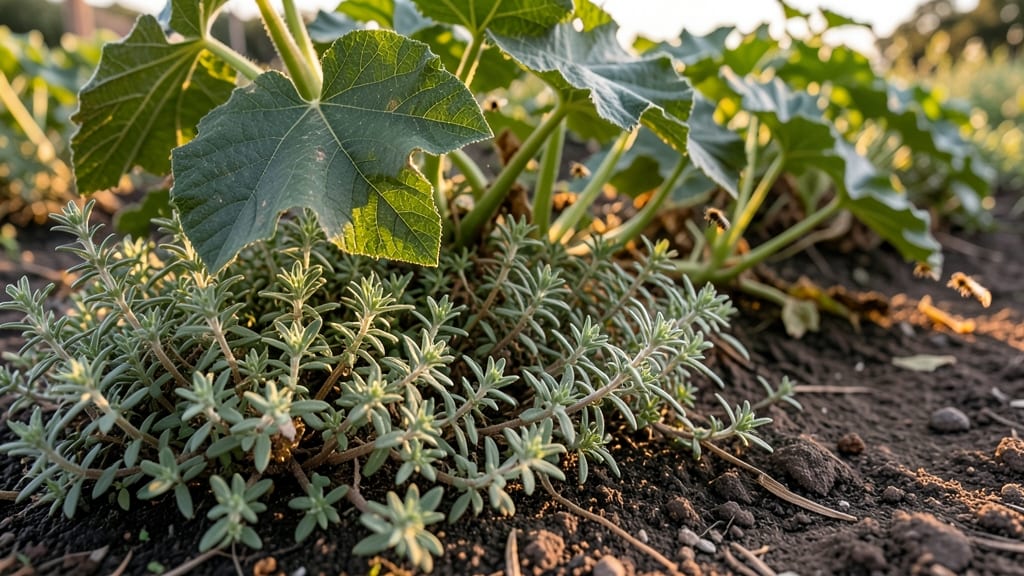
Spaghetti squash thrives when planted alongside the right companions. These 10 proven garden partners enhance growth, deter pests, and maximize yields—while avoiding harmful interactions that stunt your crop.
Bush Beans for Nitrogen Fixation
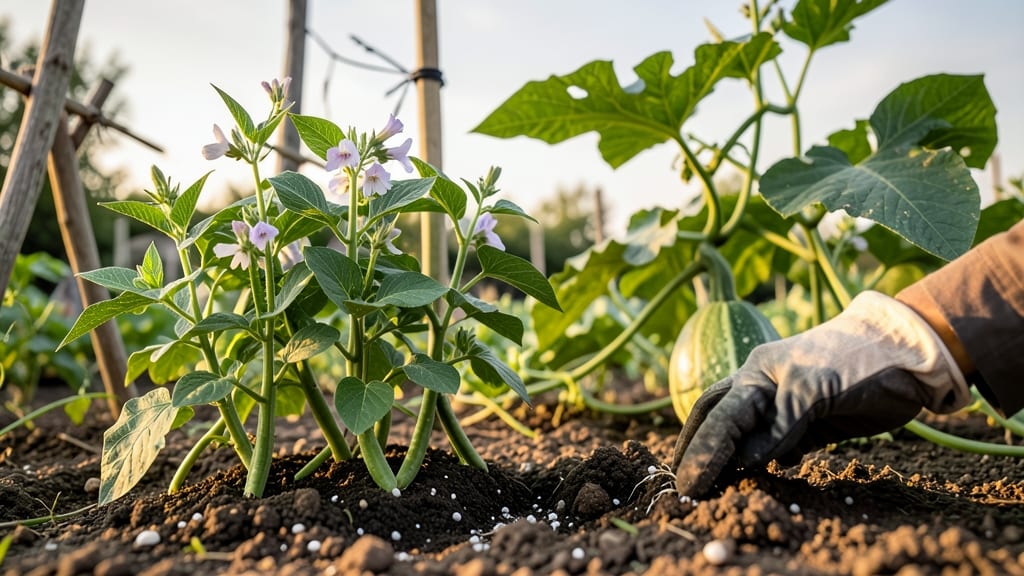
Looking for a natural way to supercharge your spaghetti squash without synthetic fertilizers? Bush beans are the unsung heroes of organic gardens—they turn your soil into a nutrient powerhouse by fixing nitrogen from the air into the ground.
These compact plants thrive in warm seasons and mature in just 45-60 days, giving your squash a steady supply of nitrogen while you harvest fresh beans. Plant them 6-8 inches apart in rows alongside your squash, and watch as both crops flourish together. The best part? You’ll end the season with richer soil for next year’s garden. 🌱
Marigolds to Repel Squash Bugs
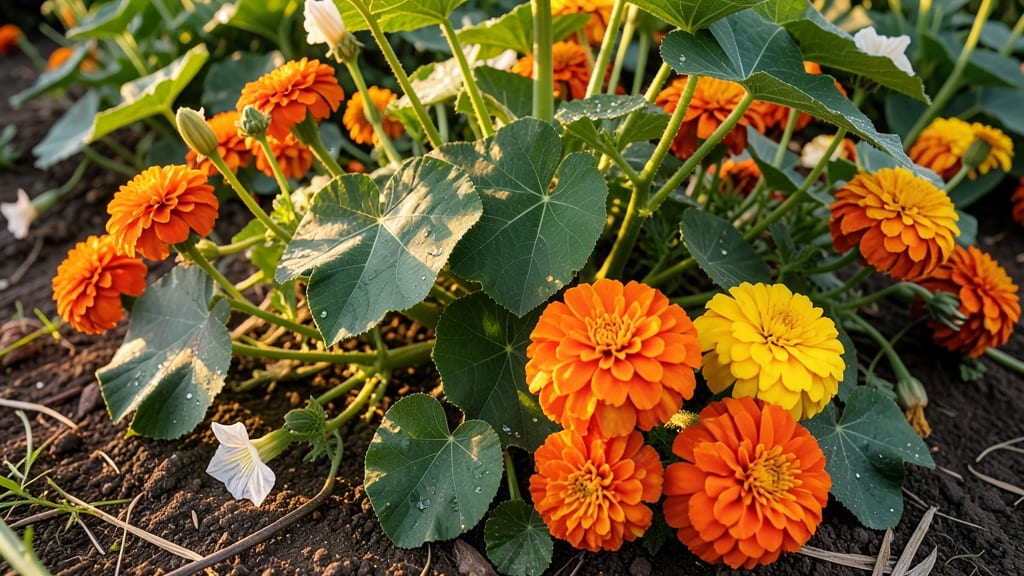
Tired of battling squash bugs ruining your spaghetti squash harvest? Marigolds are your secret weapon—these cheerful flowers release a natural scent that confuses and repels these destructive pests while adding vibrant color to your garden.
Plant French marigolds or African marigolds around your squash patch, spacing them about 12 inches apart. Their strong aroma masks the scent of squash plants, making them less detectable to pests. Bonus: marigolds thrive in containers or small gardens, so they’re perfect for urban gardeners or limited spaces.
Urban gardeners and beginners will love how easy marigolds are to grow—they bloom quickly, deter pests year after year, and even improve soil health. 🌻
Nasturtiums for Pest Control
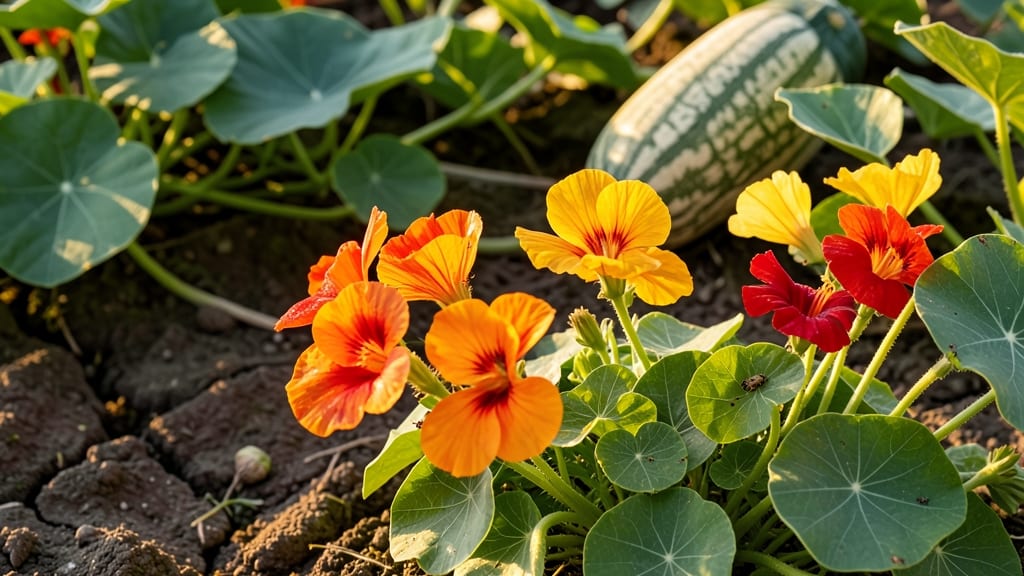
Want to protect your spaghetti squash from pests while adding a pop of color to your garden? Nasturtiums are the answer—they act as a natural trap crop, luring aphids and cucumber beetles away from your prized squash. Their bright blooms also make them a stunning addition to any garden bed or container.
Plant nasturtiums around the perimeter of your spaghetti squash patch, where they’ll intercept pests before they reach your main crop. These edible flowers thrive in full sun to partial shade and are drought-tolerant once established, making them low-maintenance allies. Bonus: You can harvest their peppery-tasting leaves and flowers for salads or garnishes!
This dual-purpose plant is ideal for gardeners who want both pest control and edible beauty—no chemicals required. 🌻
Radishes for Early Pest Deterrence
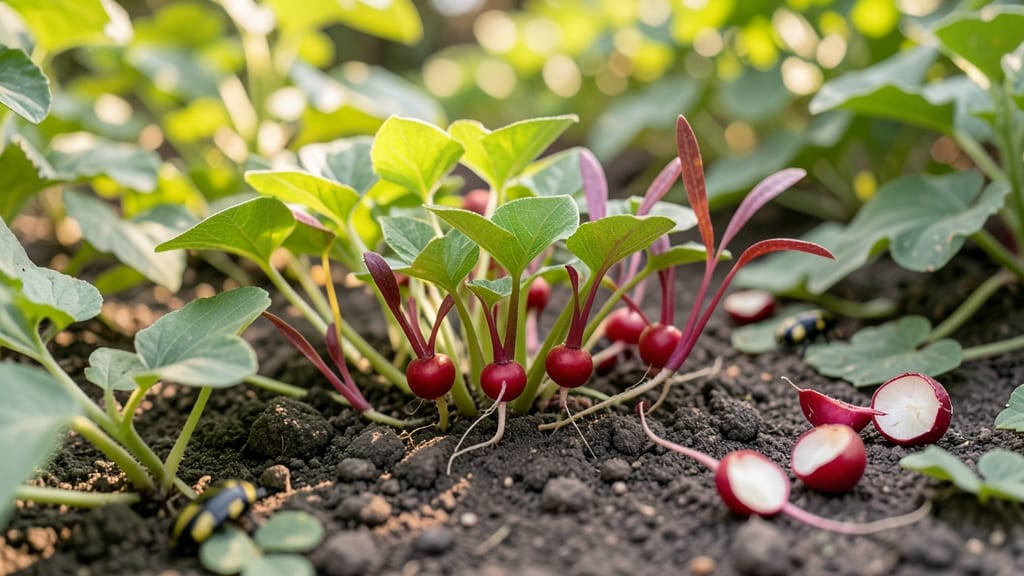
Spring pests like cucumber beetles can wreak havoc on young spaghetti squash plants before they even get established. The solution? Plant fast-growing radishes—they’re not just a quick harvest, but a dynamic early-season pest deterrent that works while your squash develops.
Radishes mature in just 3-4 weeks, outcompeting weeds and creating a dense ground cover that confuses pests. Their strong scent repels cucumber beetles, which are particularly destructive to squash seedlings. For maximum benefit, sow radish seeds around the perimeter of your squash bed, then harvest them before they bolt (around 4-5 weeks). This leaves your squash with a pest-free foundation while giving you a bonus crop.
This strategy is perfect for small-space gardeners or those who want to protect their squash without chemicals. Plus, the radish greens are edible and packed with nutrients—double the benefit! 🌱
Dill to Attract Beneficial Insects
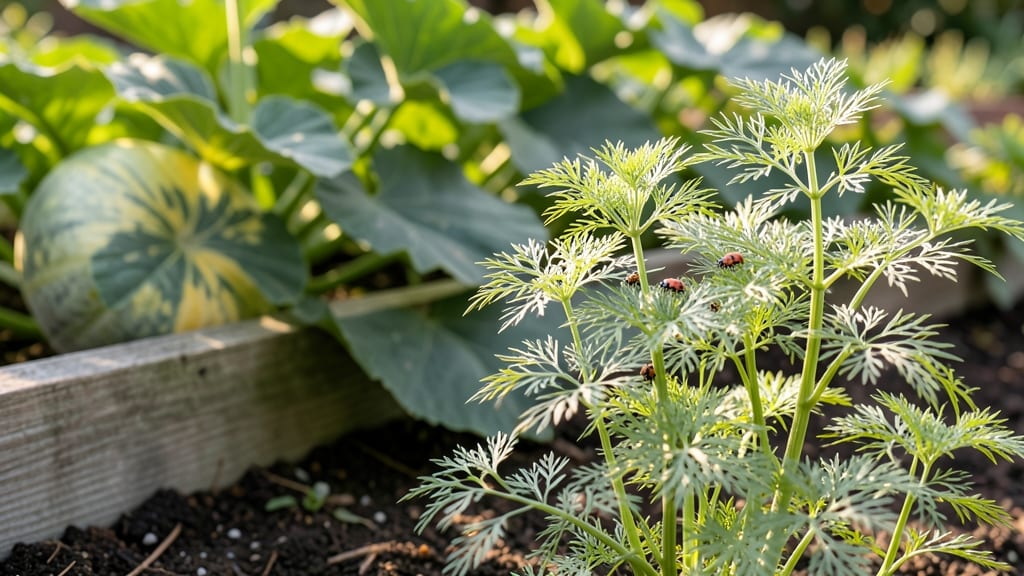
Struggling with squash pests like cucumber beetles or aphids? Planting dill near your spaghetti squash could be your secret weapon. This fragrant herb doesn’t just add flavor to your kitchen—it lures in ladybugs and parasitic wasps, which devour squash pests naturally.
The feathery leaves of dill also create a living shade canopy, protecting squash vines from scorching summer sun while maintaining humidity levels. For best results, sow dill seeds alongside squash seedlings in full sun and harvest dill leaves as needed to encourage continuous growth. This low-maintenance pairing works especially well in hot climates where squash plants wilt easily.
Gardeners in small spaces or containers will love dill’s compact growth habit, while organic growers will appreciate its pest-control benefits without chemicals. Try it this season for healthier squash and a natural insect ally! 🌿
Cucumbers for Shade and Pollination
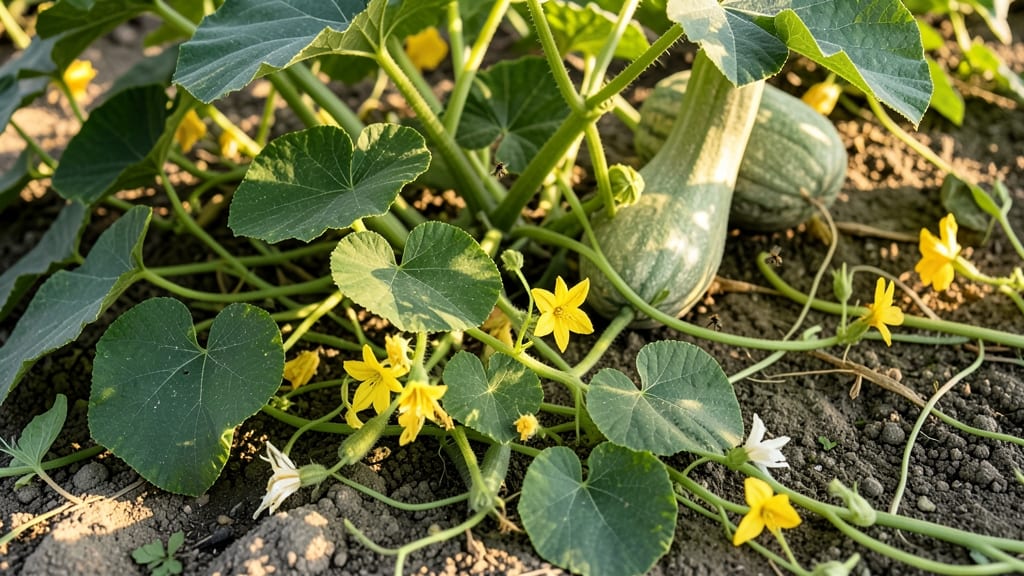
Want to give your spaghetti squash a natural boost without extra work? Plant cucumbers nearby—their sprawling vines create a living mulch that locks in moisture while their bright yellow flowers act as a bee magnet, increasing pollination for both crops.
Cucumbers thrive in partial shade, making them ideal for companion planting with squash, which benefits from their ground cover to reduce evaporation. The vines also deter weeds naturally, while the shared pollinators ensure better fruit set. For maximum yield, position cucumbers on the north side of squash plants to avoid shading them too much.
This dynamic duo is perfect for gardeners with limited space or those aiming for year-round harvests—just ensure both plants have enough room to sprawl. 🌱
Basil to Improve Flavor and Health
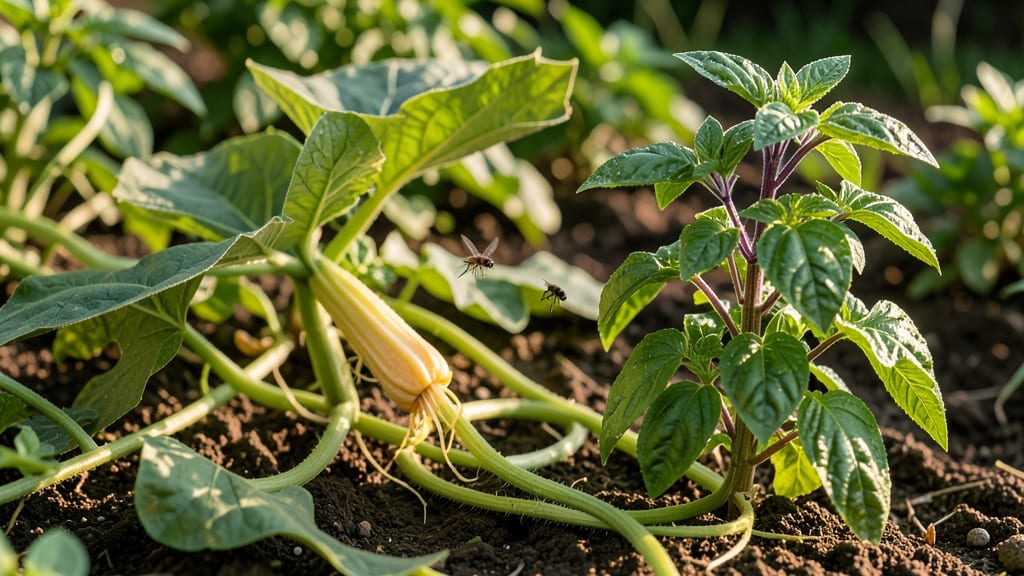
Want your spaghetti squash to taste even sweeter and more aromatic? Planting basil nearby isn’t just a kitchen trick—it’s a gardening game-changer. This versatile herb enhances the squash’s natural flavors while naturally repelling mosquitoes and thrips, making your garden both productive and pest-free.
Choose compact basil varieties like Genovese or Purple Ruffles to fit containers or small garden beds. Place them within 12-18 inches of your squash plants, and harvest basil leaves regularly to encourage bushier growth. The aromatic oils in basil also help deter other pests, creating a healthier environment for both plants.
Urban gardeners and small-space growers will love this combo—basil thrives in containers and adds a fresh, culinary bonus to your harvest. 💚
Corn for Windbreaks and Support
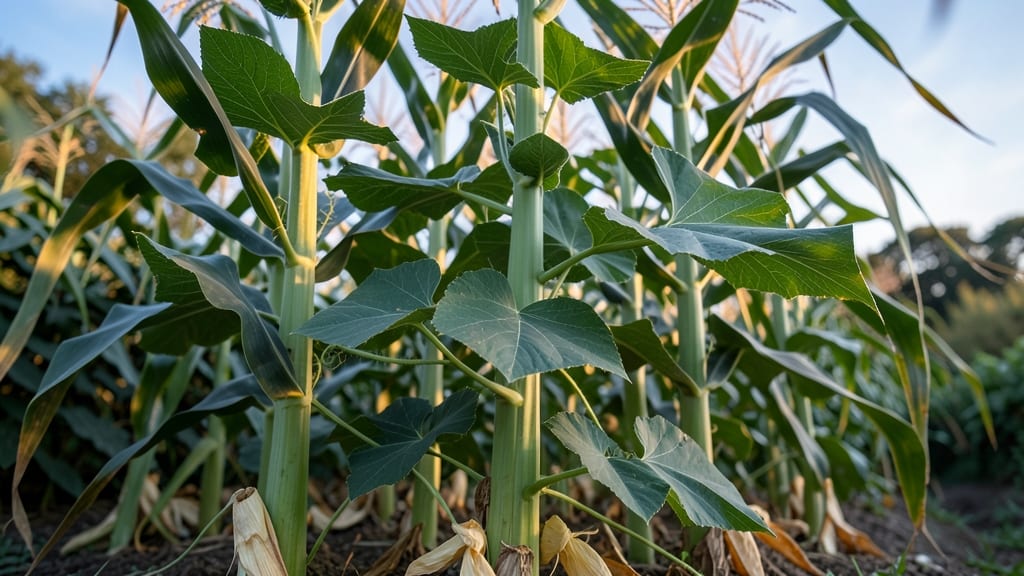
If your garden faces strong winds or sprawling spaghetti squash vines need extra support, corn is the unsung hero you’ve been missing. Its towering stalks act as natural windbreaks, shielding delicate squash leaves while providing sturdy vertical support for sprawling vines to climb.
Plant corn varieties like ‘Golden Bantam’ (reaching 5-6 feet) at least 3 feet away from squash plants to avoid root competition. The corn’s broad leaves also create shade, reducing soil moisture loss during hot afternoons. For windy climates, interplant corn in a north-south orientation to maximize wind protection while allowing sunlight to reach both crops.
This pairing is ideal for gardeners with larger plots or those in exposed areas—giving you two crops in one while boosting yields and plant health. 🌱
Lettuce for Soil Protection
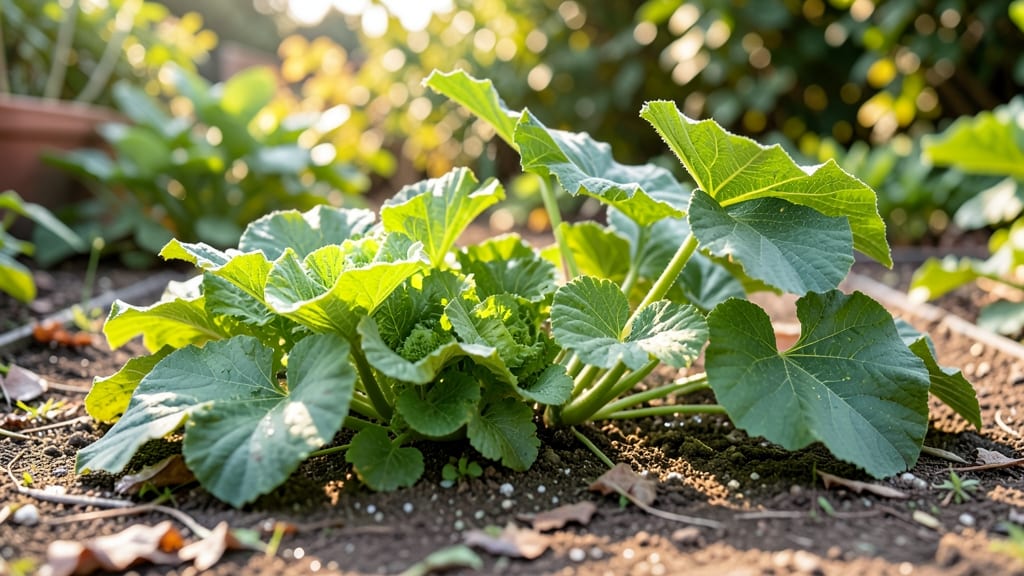
Want to give your spaghetti squash roots a protective shield this season? Fast-growing lettuce is the unsung hero of soil protection, acting like a living mulch to prevent erosion and lock in moisture.
Plant butter lettuce or leaf lettuce varieties around your squash in early spring or fall. Their broad leaves create shade that keeps soil temperatures stable, while their shallow roots don't compete with squash. Harvest outer leaves every 2-3 weeks to keep the plants producing and maintain their protective cover. This dual-purpose approach gives you fresh greens while your squash thrives below.
This strategy is perfect for beginner gardeners or anyone with sandy soil prone to drying out. The lettuce's quick growth means you'll see benefits almost immediately—no waiting for mature plants. 🌱
Thyme for Soil Health

If your spaghetti squash patch is struggling with pests or poor soil, thyme might be the unsung hero you’ve been missing. This hardy perennial herb doesn’t just add flavor to your kitchen—it works silently in the soil to improve its structure while keeping unwanted critters at bay.
Thyme’s woody stems create a natural barrier that deters rodents from digging near your squash, while its strong scent repels cabbage worms and whiteflies, common pests that target squash plants. Plus, its shallow roots help break up compacted soil, improving aeration and drainage for deeper-rooted squash. Plant it in a sunny border around your squash patch or intersperse it between rows for maximum benefits.
Perfect for gardeners who want low-maintenance, multi-functional plants, thyme thrives in well-drained soil and requires minimal care—just occasional trimming to encourage bushier growth. Add it to your garden for a fragrant, pest-repelling companion that works year after year. 🌱