
Picking
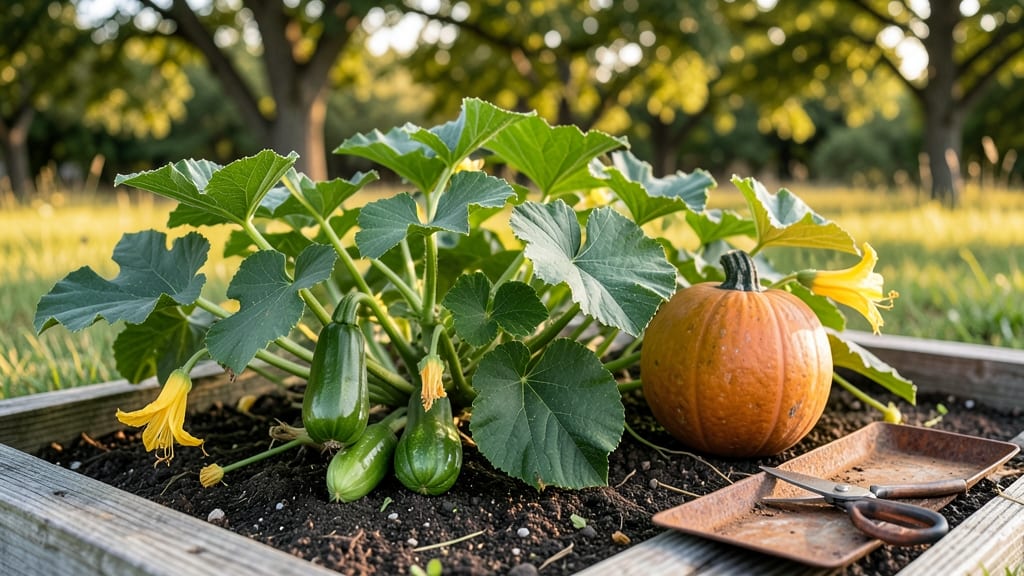
Growing pumpkins and squash in containers turns your patio into a harvest goldmine—even in cooler climates. 🌱 I’ve grown these cold-hardy varieties for years, and the secret isn’t just the right seeds but the perfect setup for sturdy vines and plump fruit.
The key? Choosing compact, disease-resistant types like ‘Jack Be Little’ or ‘Sweet Dumpling’ that thrive in 5-gallon pots or larger. You’ll need well-draining soil, a trellis or sturdy cage, and consistent watering—no soggy roots here.
My first attempt with store-bought soil led to wilted vines, but switching to a mix of compost and coconut coir changed everything. These plants reward patience with heavy yields by fall, even in short seasons.
By late summer, you’ll be harvesting vibrant, ribbed squash or sweet, edible pumpkins that outshine store-bought options. The best part? No weeding, no pests, and no need for a backyard. Just sun, space, and a little know-how to turn containers into a productive growing powerhouse.
Cold-hardy varieties like ‘Winter Luxury’ or ‘Table Queen’ handle cooler temps better than traditional pumpkins, making them ideal for early planting. Start seeds indoors 2–3 weeks before your last frost, then transplant once soil reaches 60°F.
Spacing matters too—give vines 3–4 feet of room to sprawl, or use vertical supports to save space. Pests like squash bugs and powdery mildew are less of a threat with proper airflow and fungicide sprays. I’ve found that a weekly neem oil treatment keeps problems at bay.
Water at the base—never the leaves—to prevent fungal issues and encourage deep root growth.
Harvest when the stem turns brown and detaches easily, usually 75–100 days after planting. Store in a cool, dry place, and your homegrown squash will last through winter.
Whether you’re growing for pies, soups, or just the joy of watching vines climb, these cold-hardy varieties deliver reliable results with minimal fuss.
The first product explained
Meet your new cold-hardy superstar: the ‘Jack Be Little’ Mini Pumpkin! 🎃✨ This compact, container-friendly variety is perfect for gardeners who love pumpkins but don’t have sprawling backyard space—or those who just adore tiny, adorable gourds.
Whether you’re a beginner or a seasoned green thumb, this variety delivers big flavor in a small package.
🌱 Key Specs & Features
- Variety Type: Mini pumpkin (ornamental and edible)
- Mature Size: 3–5 lbs (about the size of a softball!)
- Days to Harvest: 75–90 days
- Cold Hardiness: Tolerates light frosts (USDA Zones 3–10)
- Growth Habit: Bush-type (no vines to sprawl)
- Container-Friendly: Thrives in 5-gallon pots or larger
- Color: Classic orange with ribbed texture
- Flavor: Sweet, nutty, and perfect for roasting, baking, or carving!
👩🌾 Who’s It For?
This pumpkin is a dream for:
- 🏡 Urban gardeners with balconies, patios, or small yards
- 👨👩👧👦 Families who want easy, fun harvests for kids (or pumpkin-spice lovers!)
- 🌿 Container enthusiasts looking to grow pumpkins without a garden bed
- 🍂 Fall decorators who love unique, small pumpkins for centerpieces or wreaths
- 🥄 Chefs and bakers craving sweet, flavorful mini pumpkins for pies, soups, or roasted snacks
💰 Price Point & Value
Priced at $3.99–$5.99 per seed packet (depending on retailer), ‘Jack Be Little’ offers serious value for its versatility. You’ll get:
- 🌱 Multiple harvests from a single plant (3–5 pumpkins per vine!)
- 🍽️ Dual-purpose use—eat it, carve it, or gift it!
- 🌿 Low-maintenance growth with high rewards
- 🎃 Adorable, Instagram-worthy mini pumpkins for fall decor
For the price of a coffee outing, you could be growing your own pumpkin patch in a pot! 😉
The second product explained
Next up, let’s dive into ‘Autumn Gold’ Sugar Pie Pumpkin—a standout choice for container growers who crave both beauty and bounty! 🍂🎃 This heirloom variety is a fan favorite for its vibrant orange flesh, perfect for pies, soups, and roasting, while its smooth, ribbed skin adds a touch of rustic charm to any garden display.
📏 Specs & Features
- Maturity: 90–100 days (early-to-mid season)
- Size: Medium (8–12 lbs at harvest)
- Shape: Classic pumpkin with deep ribs and a flat base
- Color: Bright orange skin and flesh (ideal for carving and cooking!)
- Disease Resistance: Moderate resistance to powdery mildew and downy mildew
- Container-Friendly: Thrives in 5-gallon pots or larger with proper support
🎯 Target Users
This pumpkin is a versatile powerhouse for:
- 🍂 Home cooks who love baking seasonal treats (think: pumpkin pies, bread, and lattes!)
- 🎃 Small-space gardeners with limited yard room but big dreams
- 🌱 Organic growers seeking a low-maintenance, high-reward variety
- 🎨 DIY decorators who enjoy carving or painting pumpkins for fall displays
💰 Price Point & Value
Priced competitively at $3.99–$5.99 per seed packet (depending on retailer), ‘Autumn Gold’ offers exceptional value for its:
- 🌱 Reliable yields in containers (2–4 pumpkins per plant!)
- 🍽️ Dual-purpose use (ornamental and culinary)
- 🌿 Long shelf life (stores well for months when cured properly)
Pro Tip: 💡 For bigger pumpkins in containers, pair this variety with a 5-gallon fabric grow bag and a slow-release fertilizer like 10-10-10. Happy growing!
Head-to-head comparison
Curious about how pumpkins and squash stack up in your container garden? 🌱 Whether you're eyeing space-saving bush varieties or sprawling vines, here’s a detailed side-by-side comparison to help you pick the perfect cold-hardy crop for your setup!
🌿 Growth Habits & Space Needs
One of the biggest differences between pumpkins and squash is how they grow—and how much room they’ll need in your containers. If space is tight, this factor could make or break your harvest!
| Factor | Pumpkins | Squash |
|---|---|---|
| Vine Type | Most varieties are vining (can spread 10–20+ feet), but bush pumpkins (like 'Jack Be Little') stay compact (3–5 feet). | Ranges from bush types (e.g., 'Sugar Pie' squash, 2–3 feet) to vining varieties (e.g., 'Butternut,' 3–6 feet). |
| Container Size | Bush pumpkins: 5-gallon bucket or larger. Vining pumpkins: 15+ gallons + trellis or sprawl space. |
Bush squash: 3–5 gallons (ideal for patios). Vining squash: 7+ gallons + trellis support. |
| Training Needs | Vining types require trellising or pruning to control sprawl; bush types need minimal support. | Bush types thrive in containers with no training. Vining types benefit from vertical support (e.g., cages or trellises). |
💡 Pro Tip: If you’re growing in containers, bush varieties of both are your best bet for saving space! For pumpkins, 'Jack Be Little' is a crowd-pleaser, while 'Sugar Pie' squash is a compact, high-yielding favorite.
🍂 Cold Hardiness & Seasonal Performance
Since you’re aiming for reliable yields in cooler climates, cold tolerance is key. Squash and pumpkins both handle chilly weather, but their thresholds and growth speeds differ.
| Factor | Pumpkins | Squash |
|---|---|---|
| Germination Temp | 60–90°F (ideal); struggles below 50°F. | 55–85°F (more cold-tolerant); some varieties (e.g., 'Waltham Butternut') germinate at 50°F. |
| Frost Tolerance | Young plants dying in frost; mature vines tolerate light frosts (28–32°F). | More resilient—some varieties (e.g., 'Hubbard') survive 25°F with mulch. |
| Days to Maturity | 75–120 days (longer for giant varieties). | 50–100 days (faster for bush types like 'Delicata'). |
| Best for Short Seasons? | ❌ Slower to mature; better for longer growing seasons. | ✅ Faster harvests make them ideal for cool, short seasons. |
🌡️ Cold-Climate Hack: Start squash seeds indoors 2–3 weeks earlier than pumpkins to give them a head start. Use black plastic mulch to warm soil faster in spring!
🍽️ Flavor, Texture & Culinary Uses
Pumpkins and squash aren’t just pretty faces—they bring distinct flavors and textures to your kitchen. Here’s how they compare when it comes to taste and versatility.
| Factor | Pumpkins | Squash |
|---|---|---|
| Flavor Profile | Mild, slightly sweet, and starchy (great for pies and soups). Some varieties (e.g., 'Cinderella') have a nutty taste. | Ranges from sweet (butternut, acorn) to earthy (Hubbard, spaghetti). Some (e.g., 'Delicata') taste like sweet potato. |
| Texture | Soft, mealy when cooked (ideal for purees). | Varies—creamy (butternut), firm (acorn), or stringy (spaghetti). |
| Best Dishes | Pumpkin pie, curry, risotto, roasted seeds. | Butternut in soup or pasta, acorn for stuffing, spaghetti squash as a low-carb substitute. |
| Storage Life | 3–6 months in a cool, dry place. | 2–5 months (some winter squash, like 'Hubbard,' last 6+ months). |
✨ Versatility Win: Squash edges out pumpkins for raw eating (e.g., roasted acorn slices) and global cuisines (think Italian ravioli with butternut or Indian dishes with bottle gourd).
💰 Cost & Seed Availability
Budget-friendly gardening is all about seed costs, yield potential, and ease of growing. Here’s how these two compare when it comes to your wallet.
| Factor | Pumpkins | Squash |
|---|---|---|
| Average Cost per Seed Packet | $2–$4 (heirloom varieties can cost $5+). | $1.50–$3.50 (bush types are often cheaper). |
| Yield per Plant | 1–3 pumpkins (bush types); giant varieties
Which one should you choose?So, you’re ready to dive into the world of pumpkin and squash—but which varieties will give you the best results in containers? Let’s break it down based on your needs and growing conditions to help you make the perfect pick! 🌱🍂 🏆 Best for BeginnersIf you’re new to container gardening, go for ‘Sugar Pie’ pumpkin or ‘Sweet Dumpling’ squash. These varieties are compact, easy to grow, and forgiving—ideal for first-timers. Their smaller size means they thrive in 5-gallon containers, and their fast growth (60-70 days) keeps you motivated. Pro tip: 💡 Start with just one plant to practice container techniques before expanding! 🌡️ Best for Cold ClimatesFor chilly regions, ‘Jack Be Little’ pumpkin or ‘Waltham Butternut’ squash are your best bets. Both tolerate cooler temps and shorter growing seasons (70-80 days). Waltham Butternut, in particular, handles frost better than most squash. Pro tip: 🌡️ Use black containers to absorb heat and extend the growing season in early spring or late fall. 🍽️ Best for Culinary UseNeed pumpkins or squash for cooking? ‘Cinderella’ pumpkin (great for pies and soups) or ‘Delicata’ squash (edible skin!) are winners. Delicata’s small size (1-2 lbs) makes it perfect for individual servings, while Cinderella’s sweet, dense flesh is a chef’s dream. Pro tip: ✨ Try roasting Delicata halves with a drizzle of olive oil and herbs for a showstopper side dish! 🏆 Best for Maximizing SpaceIf your balcony or patio is limited, ‘Miniature Potimarron’ squash or ‘Baby Boo’ pumpkin are space-saving superstars. Both fit in 3-5 gallon containers and produce multiple harvests per plant. Miniature Potimarron’s unique flavor and compact growth make it a favorite among urban gardeners. Pro tip: 🎯 Train vines along trellises or use vertical pockets to double your yield! 🚫 Avoid If...
Still unsure? Start with ‘Sugar Pie’ or ‘Sweet Dumpling’—they’re versatile, reliable, and hard to mess up. Happy growing, and may your container garden be bountiful! 🎉🍂 |