
Picking
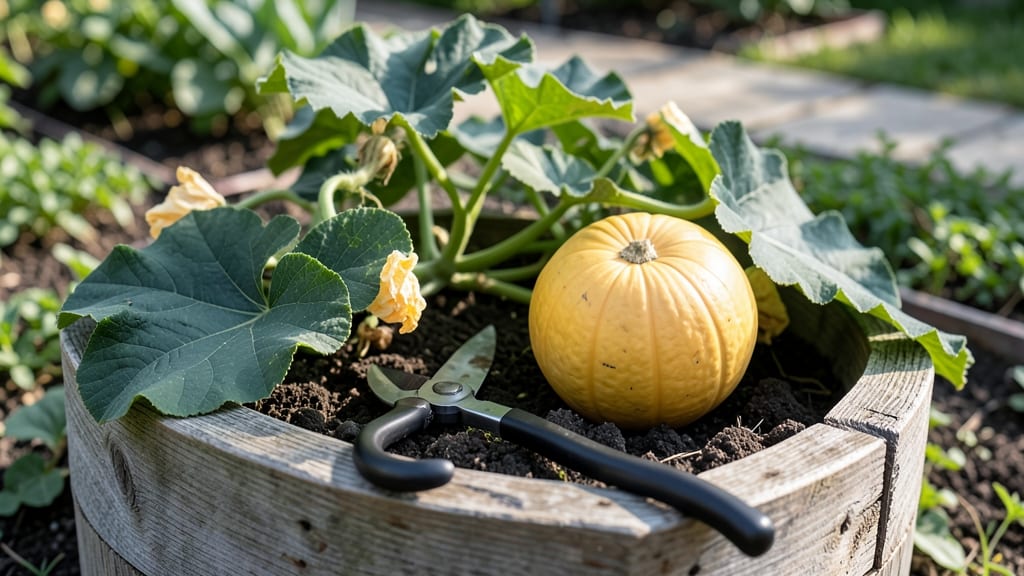
Growing gold acorn squash in containers means sweet, reliable harvests even when fall chill arrives early. 🌱 I’ve grown this variety for three seasons now, and the key to success lies in the right timing, soil prep, and a little extra care during those cool nights.
This isn’t your typical finicky squash—it thrives where others falter, producing tender, golden fruits that taste like autumn itself.
The secret starts with well-draining soil mixed with compost—think 50% potting mix, 30% compost, 20% perlite—and a container at least 18 inches deep with drainage holes. Plant seeds 1 inch deep, 2 inches apart, after your last frost when soil temps hit 60°F.
These squash handle cooler weather better than most, but a black plastic mulch keeps roots warm and speeds up germination. Water consistently at the base, avoiding wet foliage to prevent powdery mildew.
By mid-summer, you’ll see those classic acorn-shaped fruits forming, their golden skin deepening as they ripen. Harvest when the rind turns hard and the stem dries out—usually 85-100 days after planting. One plant yields 4-6 squash, perfect for roasting or baking.
Store them in a cool, dark place for 2-3 months, or freeze the flesh for later. The flavor? Rich, nutty, and sweeter than store-bought.
Container growing means fewer pests, but watch for squash bugs and cucumber beetles. Handpick eggs or use row covers early on. If powdery mildew appears, spray with a baking soda solution (1 tsp baking soda + 1 quart water + a drop of dish soap).
With these adjustments, you’ll avoid the most common pitfalls and enjoy a foolproof harvest every season.
📚 In This Guide
- What you need
- Instructions
- Tips and common mistakes
- Wrapping up and next steps
What you need
- ● Gold acorn squash seeds: 3–5 seeds per container (or 1–2 seeds per hill in garden beds). Opt for cold-hardy varieties like ‘Table Queen’ or ‘Sweet Cheese’.
- ● Containers or garden space: Containers: 5-gallon buckets or fabric grow bags (minimum 12" deep, 18" diameter). Ensure drainage holes are present!
- ● Garden beds: Full sun (6+ hours daily), well-draining soil with pH 6.0–7.0.
- ● High-quality potting mix: 1 bag (2–3 cubic feet) for containers. Mix in compost (1 part compost to 3 parts soil) for garden beds.
- ● Organic fertilizer: Balanced (10-10-10) or compost-based fertilizer (e.g., worm castings). Follow package rates for application.
- ● Mulch: Straw or shredded leaves (1–2 inches) to retain moisture and suppress weeds.
- ● Watering can or hose with gentle spray nozzle: For consistent moisture without disturbing seedlings.
- ● Plant markers: Small sticks or labels to track varieties.
- ● Trellis or cage (if growing vining varieties in containers).
- ● Row covers or frost cloth (for early-season protection in cooler climates).
- ● Soil thermometer (to monitor germination temps, ideal: 60–90°F).
- ● Pruning shears (for harvesting or trimming excess foliage).
- ● Glove (to protect hands while handling prickly squash vines).
Step-by-step instructions for growing gold acorn squash in containers
Here’s how to grow cold-hardy gold acorn squash reliably—even in containers—using proven techniques for strong vines and abundant harvests.
🌱 Step 1: Select the Right Container and Soil Mix
Choose a 5-gallon container with drainage holes for each plant—gold acorn squash needs room to spread. I use black plastic grow bags because they retain heat and moisture while allowing roots to breathe. Fill the container with a sterile potting mix blended with 20% compost for nutrients. The mix should be light and airy, not compacted like garden soil.
Tap the container gently to settle the soil, then water it until moisture reaches 2 inches deep. This pre-moistening ensures roots can establish quickly. If your mix drains too fast, add a handful of coco coir to retain moisture without suffocating roots. Gold acorn squash thrives in well-draining soil that stays consistently damp but never soggy.
☀️ Step 2: Plant Seeds at the Right Depth and Warmth
Plant 2-3 seeds per container at a depth of 1 inch, spacing them 3 inches apart. Gold acorn squash seeds germinate best in soil temperatures between 70-85°F. To speed germination, place the container on a seedling heat mat or in a sunny windowsill with indirect light. Keep the soil surface moist but not wet—use a spray bottle to avoid displacing seeds.
Cover the container with a clear plastic dome or plastic wrap to trap warmth and humidity. Check daily for condensation—if it’s heavy, remove the cover for 30 minutes to prevent fungal issues. Germination typically takes 7-14 days, but cooler temperatures may extend this. Once sprouts appear, remove the cover permanently to encourage strong, sturdy growth.
💧 Step 3: Provide Support and Consistent Care
As seedlings grow, install a 5-foot tall tomato cage or trellis inside the container to support the vines. Gold acorn squash plants climb naturally, and support prevents fruit from rotting on the ground. Water deeply 2-3 times per week, ensuring the top 3 inches of soil stay moist. Overwatering is the fastest way to rot roots, so always check moisture before watering.
Fertilize when true leaves appear (not the initial seed leaves) with a balanced organic fertilizer (10-10-10) diluted to half strength. Feed every 2-3 weeks to encourage vine growth and fruit development. Watch for yellowing leaves—this usually means overwatering or nutrient deficiency. Adjust care immediately if you spot these signs.
✂️ Step 4: Prune and Protect for Maximum Yield
When vines reach 3 feet tall, gently prune side shoots to 2-3 leaves to redirect energy to fruit production. This step is critical for container-grown squash—without pruning, vines become overcrowded and produce smaller harvests. Use clean, sharp scissors to avoid damaging stems. Remove any yellow or diseased leaves immediately to prevent spread.
As fruits form, place straw mulch around the base of the plant to protect squash from soil-borne diseases and pests. Gold acorn squash is cold-hardy but still needs protection from frost below 40°F. If temperatures drop, move containers to a sheltered location or cover plants with frost cloth. Harvest when squash reaches 4-6 inches in diameter—they won’t sweeten further once picked.
⏰ Step 5: Harvest and Store for Long-Term Enjoyment
Use a sharp knife to cut squash from the vine, leaving a 1-inch stem attached. This prevents rot and makes storage easier. Cure harvested squash by placing them in a warm, dry spot (80-85°F) for 7-10 days. Turn them occasionally to ensure even curing—this process thickens the skin and concentrates sweetness.
Store cured squash in a cool, dark place (50-55°F) where humidity is 50-70%. They’ll keep for 2-3 months. If you notice soft spots or mold, remove affected squash immediately to prevent spoilage. With proper care, your container-grown gold acorn squash will deliver 4-6 harvests per plant, making it one of the most rewarding container crops.
Tips & tricks for growing gold acorn squash in containers
Here's what I learned after growing these cold-hardy squash for years in limited spaces—small details that make all the difference between struggling plants and bountiful harvests.
Soil Temperature Secret: The 70-85°F soil temperature range for germination is non-negotiable, but here's the trick: If your space stays cooler, use a seedling heat mat for just the first 7-10 days until sprouts emerge. I've had seeds germinate in just 5 days using this method in my 68°F basement. Once sprouts appear, you can remove the heat source—they'll tolerate cooler temps better than seeds will.
Container Material Matters: While black plastic grow bags work well, I've found that fabric grow bags with 100% shade cloth on the sides actually perform better in hot climates. The fabric breathes better and prevents overheating of roots. If you're using standard plastic containers, drill extra drainage holes—gold acorn squash roots need excellent airflow to prevent fungal diseases.
Pruning Precision: When pruning side shoots in Step 4, don't just cut randomly—look for shoots growing directly from the main stem. These are the most competitive for nutrients. Leave the top 2-3 leaves on each shoot you prune to maintain photosynthesis. I've seen plants double their yield just by being more selective with pruning. This is especially critical in containers where space is limited.
Curing Strategy: The 7-10 day curing process at 80-85°F is where the magic happens for storage life. If you don't have a warm spot, use a seedling heat mat under a cardboard box with ventilation holes. Place a small fan nearby to circulate air—this prevents mold while maintaining consistent temperature. I cure mine on a screened porch during warm days for perfect conditions.
Pro Tips for Gold Acorn Squash
- Here's what I learned after growing these cold-hardy squash for years in limited spaces—small details that make all the difference between struggling plants and bountiful harvests.
- Soil Temperature Secret: The 70-85°F soil temperature range for germination is non-negotiable, but here's the trick: If your space stays cooler, use a seedling heat mat for just the first 7-10 days until sprouts emerge.
- Container Material Matters: While black plastic grow bags work well, I've found that fabric grow bags with 100% shade cloth on the sides actually perform better in hot climates.
Frequently asked questions
Can gold acorn squash grow in containers?
Gold acorn squash thrives in containers as long as the pot is at least 10–12 inches deep and 18–24 inches wide. Use well-draining soil and a sturdy trellis or cage to support its vines. Just ensure the container has drainage holes to prevent root rot.
How cold-hardy is gold acorn squash?
This variety is one of the most cold-tolerant squash types, handling light frosts down to 25–30°F (-4 to -1°C). Start seeds 2–3 weeks before your last frost date for early harvests. If nights dip below freezing, use row covers or move pots to a sheltered spot.
How long does it take to harvest gold acorn squash?
From seed to harvest, expect 85–100 days. Look for golden skin, firm texture, and a dull rattle when shaken—these are your cues! Overripe squash turns soft and develops a musty smell. Harvest with a sharp knife, leaving a 1-inch stem attached.
What’s the best way to store gold acorn squash?
Store whole squash in a cool (50–55°F / 10–13°C), dark, and dry place for up to 3 months. Avoid refrigeration—it speeds up spoilage. For cooked squash, refrigerate in an airtight container for 3–5 days or freeze cooked portions for up to 6 months.
What can I do if my gold acorn squash flowers but no fruit forms?
This usually means poor pollination. Hand-pollinate by gently transferring pollen from male (long stems) to female (tiny squash at the base) flowers with a paintbrush. Ensure your plants get full sun (6–8 hours/day) and consistent watering—drought stress can also hinder fruit set.
Are there alternatives if gold acorn squash doesn’t thrive in my climate?
Try these cold-tolerant squash varieties: ‘Table Queen’ (butternut), ‘Sweet Dumpling’ (acorn), or ‘Waltham Butternut’. All handle cooler temps well and produce reliable harvests. For containers, ‘Bush Delicata’ is another compact, high-yielding option.
Wrapping up and next steps
Growing gold acorn squash in containers is a rewarding way to enjoy a bountiful harvest—even in cooler climates! 🌱 With the right cold-hardy variety, minimal space, and a little care, you’ll soon be savoring sweet, nutty squash straight from your garden.
Whether you’re a beginner or a seasoned gardener, this versatile plant proves that delicious results don’t require a sprawling yard.
Now that you’re equipped with the how-to, why not take the next step? Start small—plant a single container this season and experiment with flavors.
Try roasting, stuffing, or blending it into soups, then share your creations with fellow squash enthusiasts! Happy growing, and here’s to your first golden harvest. 🍂✨