
Vegetables
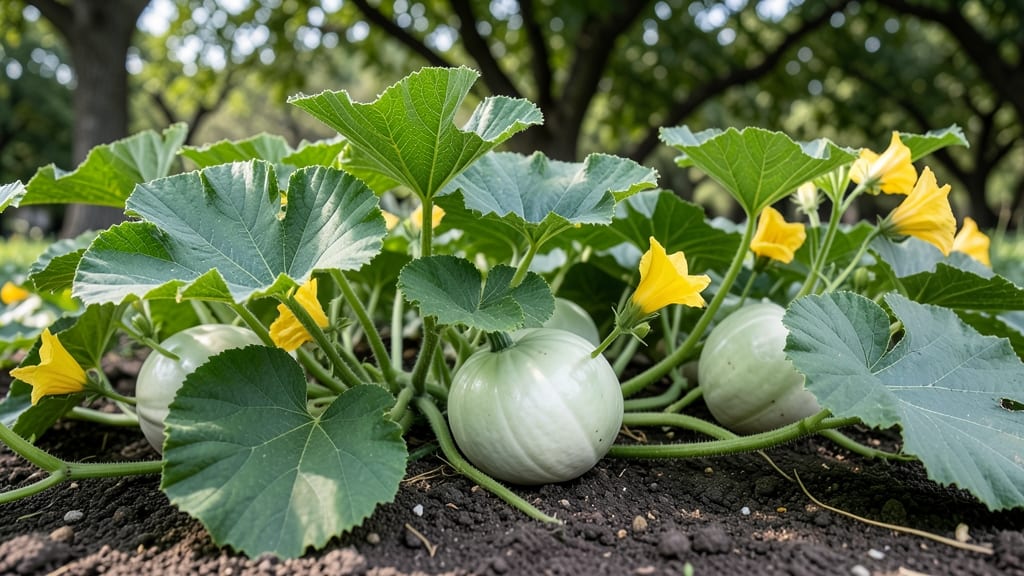
White pumpkin squash thrives where most summer squash fail—even in cooler climates. 🌱 I’ve grown these cold-hardy varieties for years, and they’ve never disappointed, producing sweet, creamy flesh even when temperatures dip.
The key is choosing the right type—like 'White Bush Scallopini' or 'White Cushaw'—and giving them just enough space to spread without crowding. These squash love full sun but tolerate partial shade better than their orange cousins, making them perfect for shorter growing seasons.
Plant seeds after the last frost when soil reaches 60°F, and watch for those first squash to appear in just 45-55 days. The secret? Consistent moisture—keep soil damp but not soggy—and a thick layer of mulch to protect roots from temperature swings.
📚 In This Guide
- What you need
- Instructions
- Tips and common mistakes
- Wrapping up and next steps
What you need
- ● Seeds: 3–5 cold-hardy white pumpkin squash seeds (e.g., 'White Cushaw' or 'Sugar Pie').
- ● Containers or garden bed: Containers: 5-gallon pots or larger (1 per plant).
- ● Garden bed: Well-draining soil, 3–4 ft wide rows, spaced 3–4 ft apart.
- ● Soil: Rich, well-draining potting mix or garden soil (amend with compost for fertility).
- ● Fertilizer: Balanced organic fertilizer (10-10-10) or compost tea for nutrient boost.
- ● Mulch: Straw or shredded leaves to retain moisture and suppress weeds.
- ● Gloves & knee pads: For comfortable planting and maintenance.
- ● Trowel or transplanting spade: For digging and transplanting seedlings.
- ● Watering can or hose with gentle spray: Avoid disturbing soil during germination.
- ○ Row covers or frost cloth: Protect young plants from late frosts (optional but helpful!).
- ● Trellis or stakes: For vining varieties (if desired, though many squash sprawl).
- ● Harvest knife or pruners: For clean cuts when squash mature.
Step-by-step instructions for growing white pumpkin squash
Here's how I grow cold-hardy white pumpkin squash—reliable, productive, and perfect for cooler climates.
🌱 Step 1: Choose the Right Variety and Planting Time
White pumpkin squash thrives in USDA Zones 3-8, making it ideal for early spring or late summer plantings. I always select 'White Cushaw' or 'Long Island Cheese' for their cold tolerance and sweet flavor. Start seeds indoors 4-6 weeks before your last frost date, or sow directly into the garden 2-3 weeks after soil reaches 60°F.
Direct sowing is my preferred method—white pumpkins resent transplanting. Use black plastic mulch to warm the soil faster and deter weeds. Plant seeds 1 inch deep and 3 feet apart in hills of 4-5 seeds per mound. Thin to the strongest plant per hill once seedlings reach 4 inches tall.
☀️ Step 2: Provide Full Sun and Supportive Growing Conditions
White pumpkin squash demands full sun (6-8 hours daily) and rich, well-draining soil with a pH of 6.0-6.8. Amend your garden bed with 2-3 inches of compost before planting to encourage vigorous vine growth. I also mix in a balanced organic fertilizer (5-5-5) at planting time for steady nutrition.
Vines spread 8-10 feet, so give them space or train them along a trellis or fence to save garden real estate. If growing on the ground, mound soil around the base of the plant as vines grow to prevent rot. Watch for yellowing leaves—a sign of nutrient deficiency or poor drainage.
💧 Step 3: Water Deeply and Maintain Consistent Moisture
Keep soil evenly moist but not soggy—white pumpkins are drought-sensitive, and inconsistent watering leads to blossom-end rot or bitter fruit. Water deeply 1-2 times per week, aiming for 1 inch of water per week. Use drip irrigation or soaker hoses to deliver water at the base and avoid wetting foliage, which reduces disease risk.
Mulch with straw or shredded leaves to retain moisture and suppress weeds. I avoid synthetic mulches—they can overheat the soil and stress the plants. If your area experiences hot, dry spells, increase watering to every other day and watch for wilting leaves in the afternoon.
✂️ Step 4: Prune and Protect for a Bountiful Harvest
Remove male flowers first—they appear before female flowers and drain energy. Female flowers have a tiny squash at their base. Once you spot a female bloom, hand-pollinate by transferring pollen from male to female flowers with a small brush. This ensures fruit set, especially in cool or rainy weather.
Prune yellowed or diseased leaves immediately to improve airflow and prevent powdery mildew. Use copper fungicide as a preventive spray every 2-3 weeks if your climate is humid. Harvest when the rind is hard and cannot be pierced with a fingernail, usually 80-100 days after planting.
🎃 Step 5: Harvest and Store for Long-Term Enjoyment
Cut squash from the vine with a clean, sharp knife, leaving 1-2 inches of stem attached. Cure in a warm (80-85°F), dry place for 10 days to harden the skin and develop flavor. Store in a cool (50-55°F), dark space where they’ll keep for 3-6 months. Check weekly for spoilage—discard any with soft spots or mold.
White pumpkin squash is incredibly versatile—roast, bake, or puree it for soups. Save seeds from your best squash for next year’s garden. I always plant a few extra to share with neighbors; they’re a crowd-pleaser and grow like crazy in the right conditions.
Tips & tricks for growing cold-hardy white pumpkin squash
These practical insights will help you cultivate thriving white pumpkin squash even in cooler climates—where most gardeners struggle.
Variety Selection Matters: While 'White Cushaw' and 'Long Island Cheese' are my top recommendations for cold tolerance, consider 'Caserta' if you're in Zone 3—it handles frost better than most varieties. The key difference? These varieties develop thicker vines that insulate the roots better in chilly conditions. I've found that 'White Cushaw' produces slightly sweeter fruit when grown in cooler summers, so choose based on your climate's specific challenges rather than just hardiness ratings.
Soil Preparation Secret: The instructions mention 2-3 inches of compost, but I take this further by creating raised beds with a 50/50 mix of compost and native soil. This improves drainage while retaining moisture—critical for white pumpkins which are prone to blossom-end rot. Test your soil pH before planting; if it's below 6.0, add pelletized lime (about 1 pound per 100 square feet) 2-3 months before planting. The 6.0-6.8 range isn't just ideal—it's essential for preventing nutrient deficiencies that show up as yellowing leaves.
Watering Strategy for Consistent Results: While the instructions recommend 1 inch of water weekly, I've developed a more precise approach: water in the morning when temperatures are below 75°F to minimize evaporation. Use a rain gauge to track exactly how much water you're applying—white pumpkins are particularly sensitive to both underwatering and overwatering. The key visual cue is the soil 2 inches below the surface; it should feel like a wrung-out sponge, not bone-dry or soggy. This consistency prevents the bitter fruit development mentioned in the instructions.
Harvest Timing Visual Cue: The instructions mention harvesting when the rind can't be pierced with a fingernail, but I've found an even more reliable method: tap the squash—it should sound hollow when fully mature. For varieties like 'Long Island Cheese', this typically occurs at the 90-day mark rather than the full 100 days, especially in cooler climates. The 10-day curing period at 80-85°F is non-negotiable; I use a small greenhouse or even my oven with the light on to maintain this temperature consistently. This curing process develops the full sweetness potential of these cold-hardy varieties.
Pro Tips for White Pumpkin Squash
- These practical insights will help you cultivate thriving white pumpkin squash even in cooler climates—where most gardeners struggle.
- Variety Selection Matters: While 'White Cushaw' and 'Long Island Cheese' are my top recommendations for cold tolerance, consider 'Caserta' if you're in Zone 3—it handles frost better than most varieties.
- Soil Preparation Secret: The instructions mention 2-3 inches of compost, but I take this further by creating raised beds with a 50/50 mix of compost and native soil.
Frequently asked questions
about growing white pumpkin squash—your quick-reference guide!How long does it take for white pumpkin squash to mature?
White pumpkin squash typically matures in 90–120 days after planting, depending on the variety and growing conditions. Cold-hardy types like ‘White Cushaw’ may take slightly longer, while faster varieties like ‘Baby White’ can be ready in as little as 75 days. Monitor vines for yellowing leaves and firm, heavy fruits as signs of readiness!
Can I grow white pumpkin squash in containers?
Yes! Choose large containers (at least 5 gallons) with drainage holes and fill with well-draining soil. Opt for smaller varieties like ‘Delicata’ or ‘Sweet Dumpling’, which thrive in pots. Place containers in full sun (6+ hours daily) and provide trellis support if vines sprawl. Just ensure consistent watering—containers dry out faster than garden beds.
How cold-hardy is white pumpkin squash?
White pumpkin squash is more frost-tolerant than traditional pumpkins, surviving light frosts (down to 25–30°F) once established. However, seeds need warm soil (60°F+) to germinate. Start indoors 4–6 weeks before the last frost or use black plastic mulch to warm the soil. Young plants may need row covers for early spring protection.
What can I do if my white pumpkin squash flowers but no fruit forms?
This common issue often stems from pollination problems. Hand-pollinate by transferring pollen with a small brush between male (long stems) and female (tiny fruit at base) flowers. Ensure bees visit your garden by planting pollinator-friendly flowers nearby. Also check for pests (like squash vine borers) or nutrient deficiencies—apply a balanced fertilizer if vines look weak.
Are white pumpkin squash and butternut squash the same?
No! While both are winter squash, they’re distinct:
- White pumpkin squash: Thicker skin, milder sweetness, and a nutty, earthy flavor. Often used in soups, roasted dishes, or mashed like potatoes.
- Butternut squash: Sweeter, smoother skin, and a caramel-like taste. Best for purees, risottos, or baked sides.
Wrapping up and next steps
Growing white pumpkin squash is a rewarding journey—whether you're a beginner or seasoned gardener! 🌱 These cold-hardy varieties thrive with minimal fuss, offering delicious harvests that outshine even the most demanding squash.
With the right soil, spacing, and care, you’ll soon enjoy their sweet, nutty flavor in soups, roasts, or pies.
Ready to take the next step? Start by selecting your favorite variety (like ‘White Cushaw’ or ‘Delicata’) and mark your calendar for planting—spring or early summer is ideal. Happy growing, and may your garden be as bountiful as your harvest! 🍂