
Vegetables
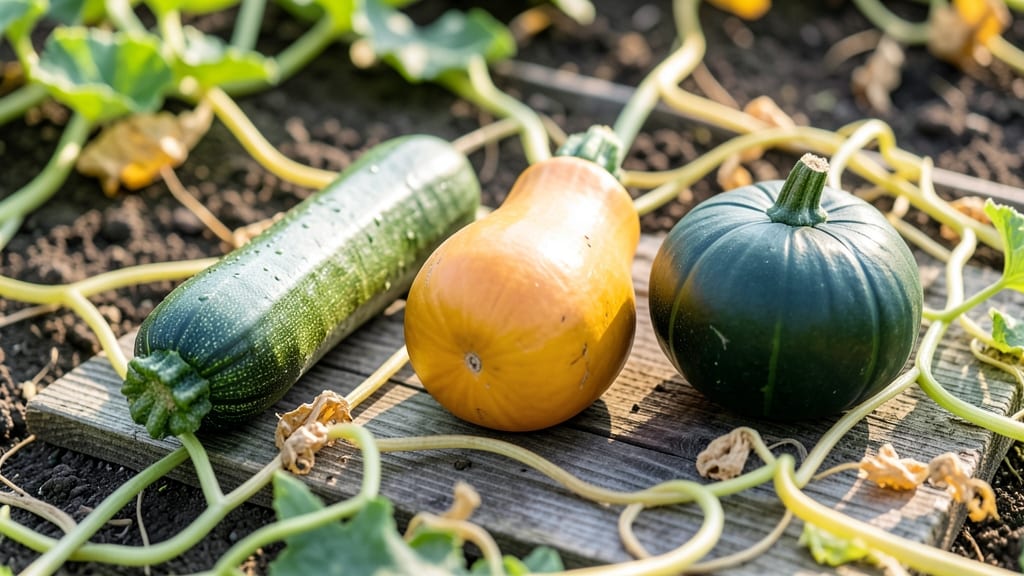
Gardeners often struggle to distinguish between squash varieties at different growth stages. This visual guide provides crystal-clear photographs of 10 essential squash types—from seedling to harvest—so you can confidently identify plants in your garden or nursery.
Zucchini Seedling Identification Guide
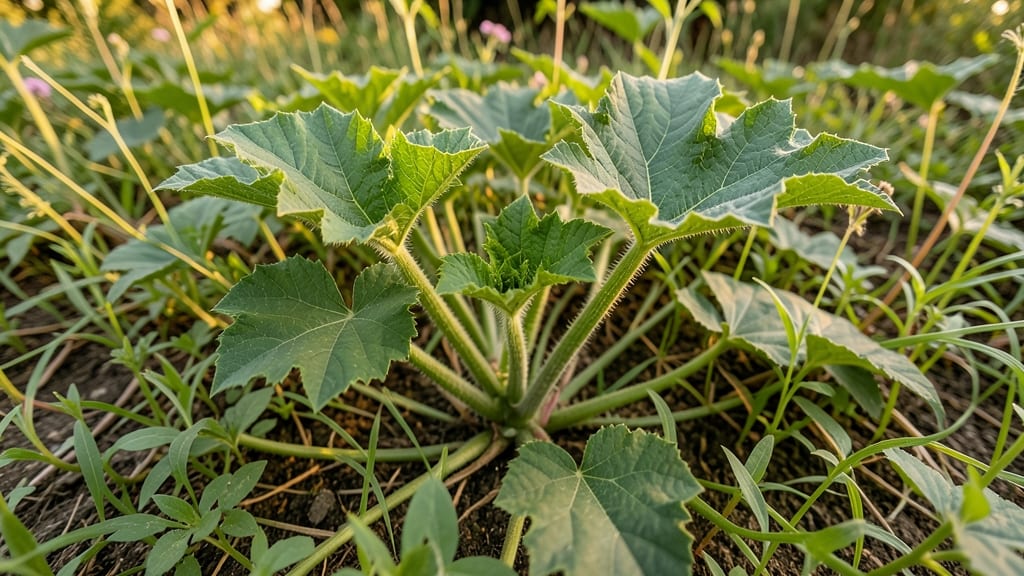
If your garden bed looks like a jungle of green sprouts, don’t pull those zucchini seedlings out by mistake! True zucchini seedlings have broad, lobed leaves with jagged edges and a slightly fuzzy stem—unlike weeds, which often have smooth, narrow leaves or hairless stems.
Look for the hairy texture on the stem and the way the leaves grow in a spiral pattern around the plant. Seedlings also grow quickly, with the first true leaves appearing within 7–10 days of germination. Snapping a photo of your sprouts and comparing them to this guide will help you avoid accidentally removing your future harvest.
This skill is especially helpful for beginner gardeners or those with limited space, where every plant counts. 🌱
Butternut Squash Flowering Stage
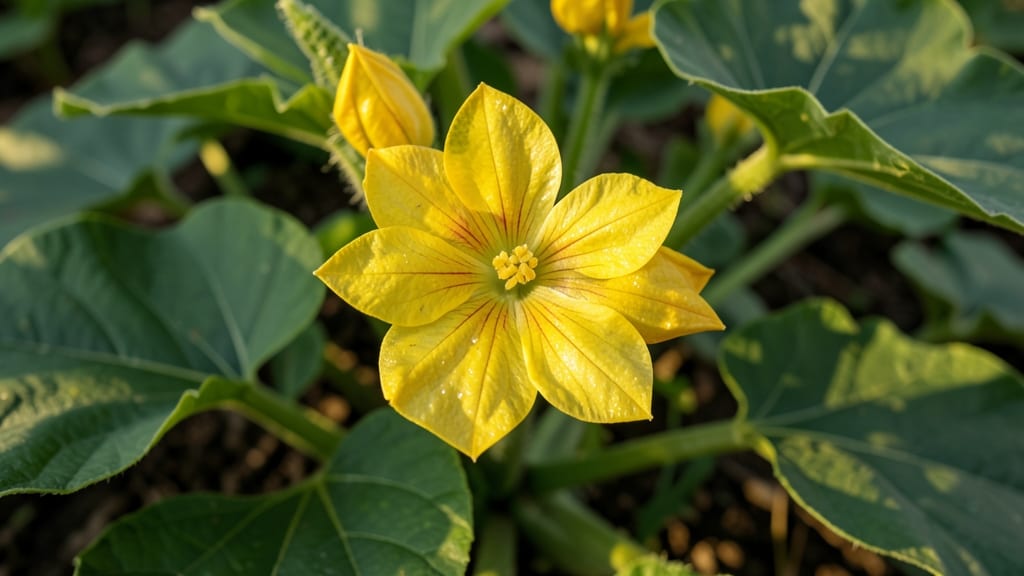
Spotting those bright yellow blooms on your butternut squash vines is your cue to take action—proper pollination starts here! These delicate, star-shaped flowers appear mid-season and are the key to developing those iconic long-necked squash later on.
Look for the distinctive five-petaled blooms with a slightly ruffled edge, typically appearing in clusters along the vine. The flowers open in the morning and close by afternoon, so check them early. To boost pollination, gently shake the vines or invite bees by planting companion flowers like marigolds nearby.
This flowering stage is especially critical for gardeners in cooler climates where pollinators are less active. A quick visual check ensures you don’t miss the window for fruit development! 🌻
Acorn Squash Immature Fruit
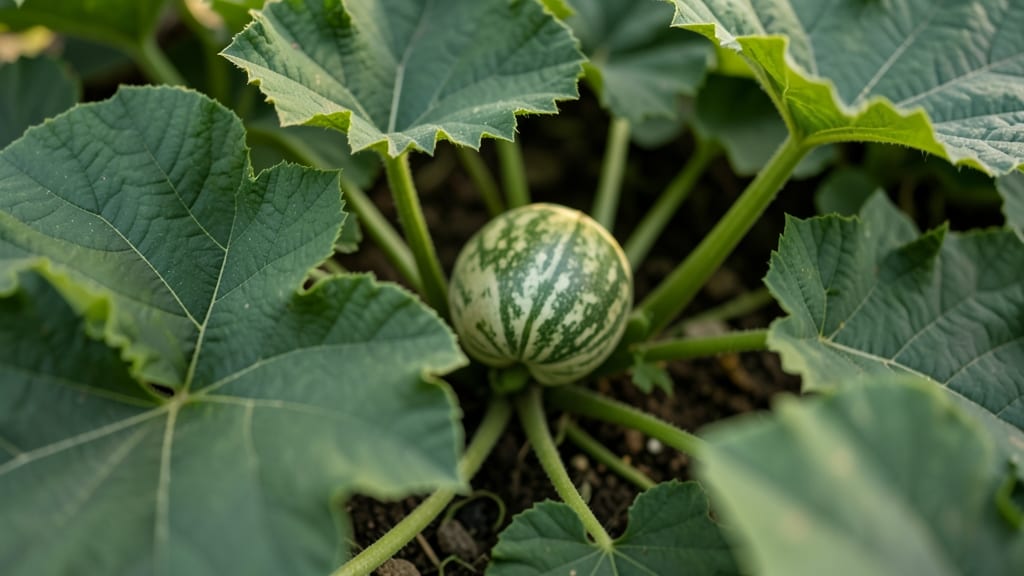
Spotting acorn squash early can be tricky—their young fruit often hides among broad, maple-like leaves. This photo reveals the subtle ribbed texture and faint green stripes that distinguish them from other squash varieties before they mature.
The immature fruit starts as small, round bumps near the vine, gradually developing the signature acorn shape with five ridges. Look for the large, lobed leaves (similar to butternut squash) that create a natural camouflage—this helps you catch them before they blend into the foliage completely.
Gardeners growing winter squash varieties will appreciate this early ID tip, as it prevents missing harvests. Spot them when they’re still golf-ball sized for the best flavor and texture. 🌱
Pumpkin Vine Growth Patterns
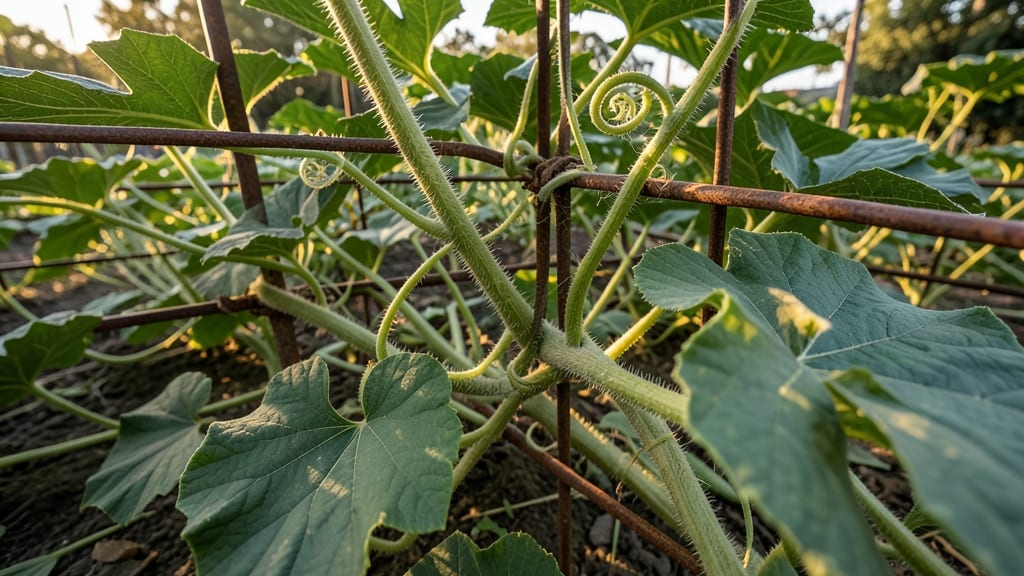
Tired of mistaking pumpkin vines for other sprawling plants? The lobed, deep green leaves and thick, hairy stems of mature pumpkin vines are unmistakable once you know what to look for. Unlike cucumbers or melons, pumpkin vines develop long, curling tendrils that cling aggressively to trellises or soil, and their stems can grow over 2 inches thick by midsummer.
These vines produce large, palmate leaves (5-7 lobes) that grow up to 12 inches wide, far surpassing the size of zucchini or butternut squash foliage. The rough, textured stems and sturdy tendrils help distinguish them from weaker vines like gourds. Training pumpkins early saves space and prevents them from overtaking your garden—ideal for urban gardeners with limited room.
Mastering these growth patterns ensures you spot pumpkins before they dominate your plot. 🌱
Spaghetti Squash Mature Fruit
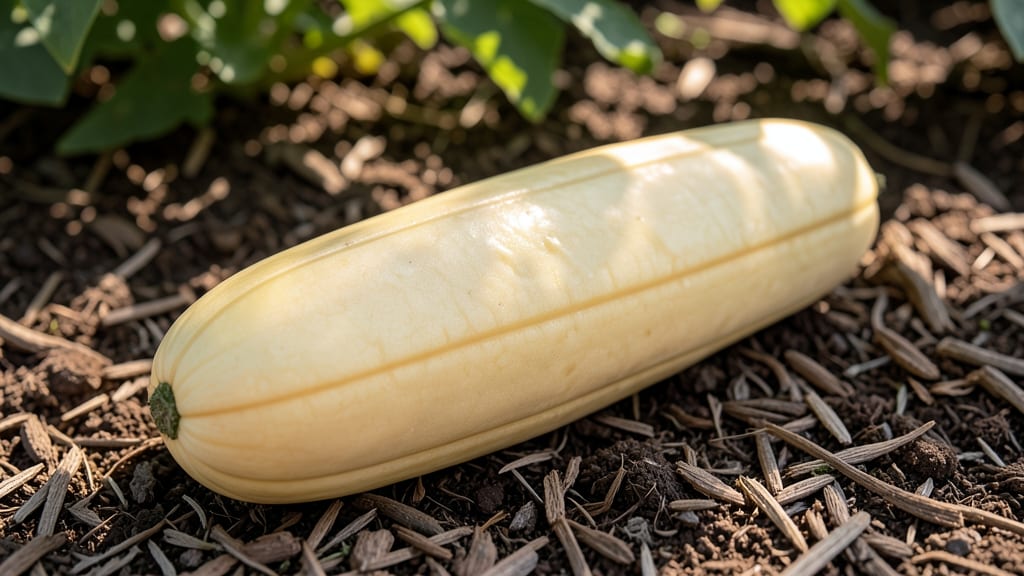
Spotting a fully ripe spaghetti squash in your garden can be tricky—its pale yellow rind and elongated shape often mimic other winter squash until you know what to look for. This photo reveals the subtle clues that distinguish it at maturity, like its smooth, slightly ribbed skin and the way the stem attaches firmly to the fruit.
The key identifiers are its cylindrical shape (unlike the bulbous butternut) and the pale yellow rind that develops a faint sheen as it ripens. Unlike immature squash, a mature spaghetti squash will feel heavy for its size and have a stem that’s dried and woody to the touch. Harvest when the skin is hard enough to resist a fingernail puncture.
Gardeners growing spaghetti squash for the first time will appreciate these visual cues—especially when distinguishing it from acorn or delicata squash at harvest time. 🌱
Cucumber-Like Summer Squash
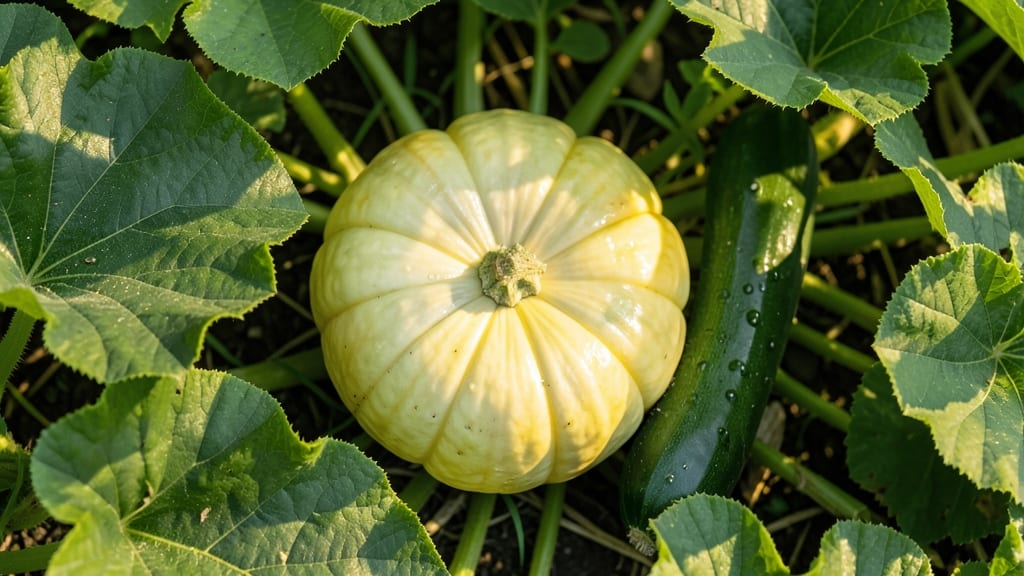
If you’ve ever plucked what you thought was a cucumber from your garden—only to find it’s actually a pattypan squash—this visual guide is for you. These summer squash varieties mimic cucumbers in shape and texture but have key differences that make them easy to spot once you know what to look for.
The blossom end (the stem side) of summer squash like pattypan is often flatter and scalloped, while cucumbers have a more rounded, tapered end. Their skin texture is smoother and glossier, and they rarely grow longer than 6 inches. Look for the distinctive ribbed edges and smaller size—perfect for slicing or stuffing!
This variety thrives in warm weather and is ideal for small gardens or container growing. Beginners will love how quickly they mature—typically in 45-55 days—making them a rewarding addition to any summer plot. 🌻
Winter Squash Storage Varieties
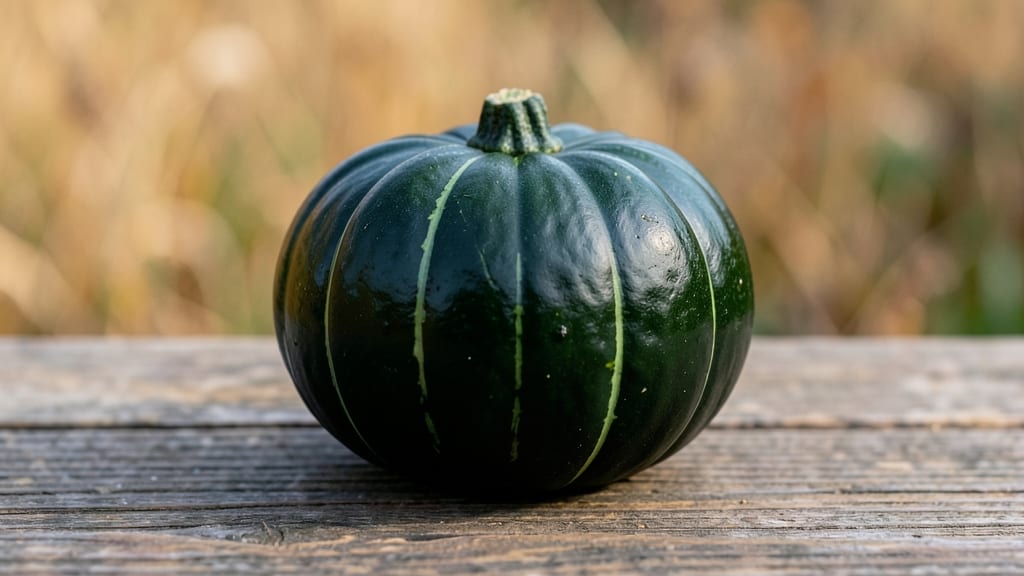
Ever wondered how to tell a kabocha squash from other winter varieties after harvest? Proper identification ensures you store the right squash for months of flavor. Look for its glossy, dark green skin with faint stripes and a compact, bulbous shape—unlike elongated butternuts or ribbed acorns.
The stem scar is your best clue: it should be small and slightly indented, not wide or woody like pumpkins. Store these squash in a cool, dry place (50-55°F) where they’ll keep for 3-6 months. Their high sugar content makes them perfect for soups and roasting after proper curing.
This variety is ideal for gardeners who want long-term storage without specialized equipment. Just snap a photo of your harvest for future reference! 🌱
Gourd-Like Winter Squash Comparison
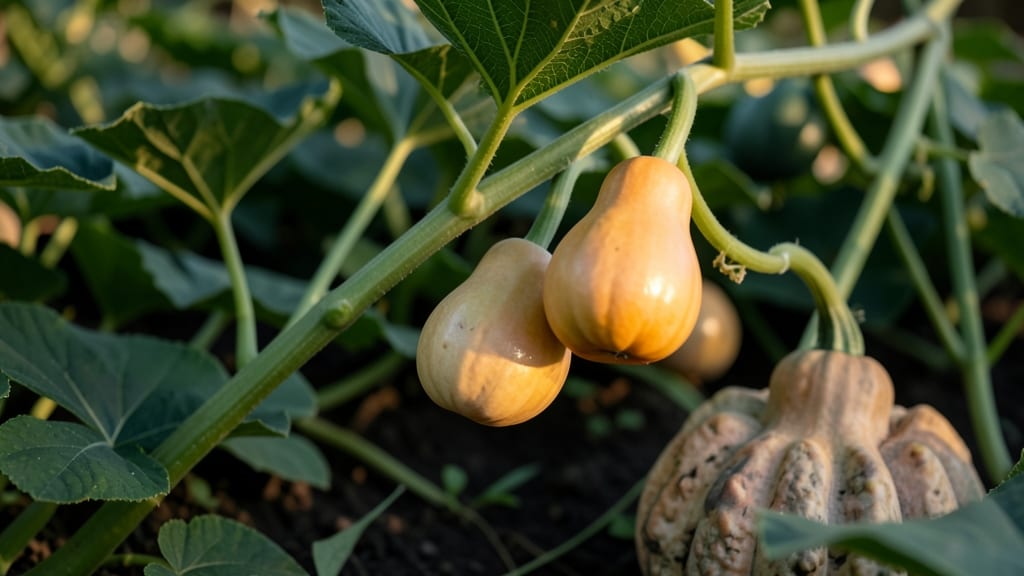
Ever wondered if that lumpy vine fruit is a decorative gourd or an edible winter squash? The differences go beyond just looks—stem attachment, skin texture, and overall shape reveal everything you need to know before harvesting or decorating.
Edible winter squash like butternut or acorn have smooth or ribbed skin and a hard stem attachment that stays connected even when ripe. In contrast, decorative gourds often feature bumpy, textured skin and a soft, fibrous stem that detaches easily. For example, a winter squash will stay firm when pressed, while a gourd may feel hollow inside.
This visual comparison helps gardeners decide whether to save their harvest for the kitchen or the fall centerpiece. Perfect for beginners and plant collectors alike! 🌟
Disease-Free Healthy Squash Leaves
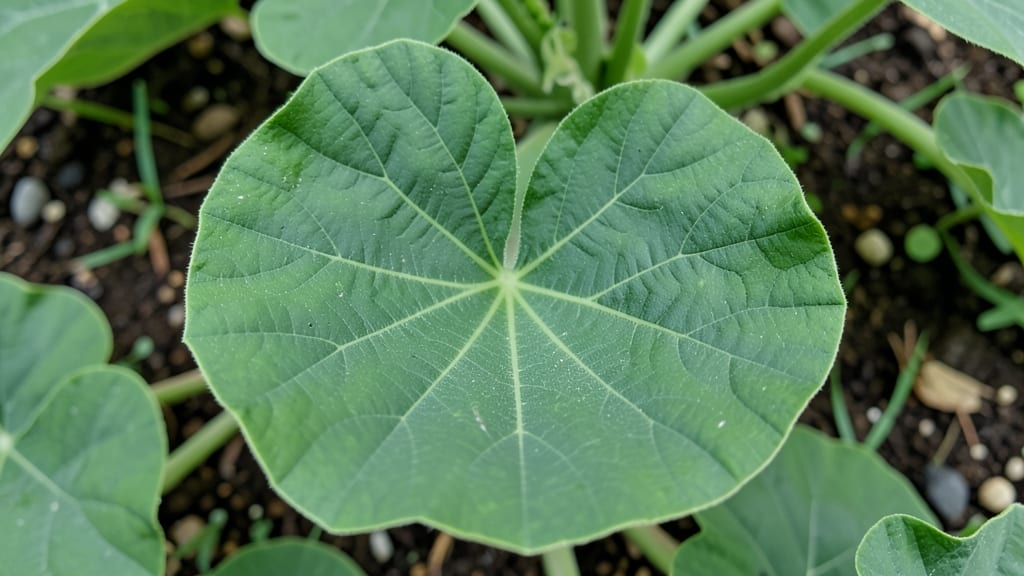
Ever mistook a squash leaf for a pest-ridden one? Healthy squash leaves are your first line of defense against misdiagnosing problems. This image reveals the vibrant green hue, prominent vein structure, and smooth surface that define thriving foliage—no spots, holes, or discoloration in sight.
Look for leaves with a deep, glossy finish and evenly spaced veins that create a web-like pattern. These traits signal strong photosynthesis and disease resistance. Compare your plants to this reference—healthy leaves mean your squash is ready for optimal growth and harvest potential.
This visual guide is perfect for beginners or experienced gardeners who want to catch issues early. A quick leaf inspection could save your entire crop! 🌿
Harvest-Ready Squash Cluster

Timing your squash harvest perfectly means the difference between a crisp, flavorful meal and a woody, overripe disappointment. This image captures the exact moment when zucchini, butternut, and acorn squash reach their peak—when their color deepens, stems firm up, and vines begin to yellow.
Look for uniform color (bright green for summer squash, rich tan for winter varieties) and a smooth, hard rind that doesn’t dent when pressed. The stem should still be attached but dry at the base—a clear sign the squash is ready to pick. Harvesting at this stage ensures maximum flavor and storage life.
This visual guide is perfect for first-time harvesters or gardeners who want to avoid the "too early" or "too late" mistakes. Bookmark this for your next squash season! 🌟