
Vegetables
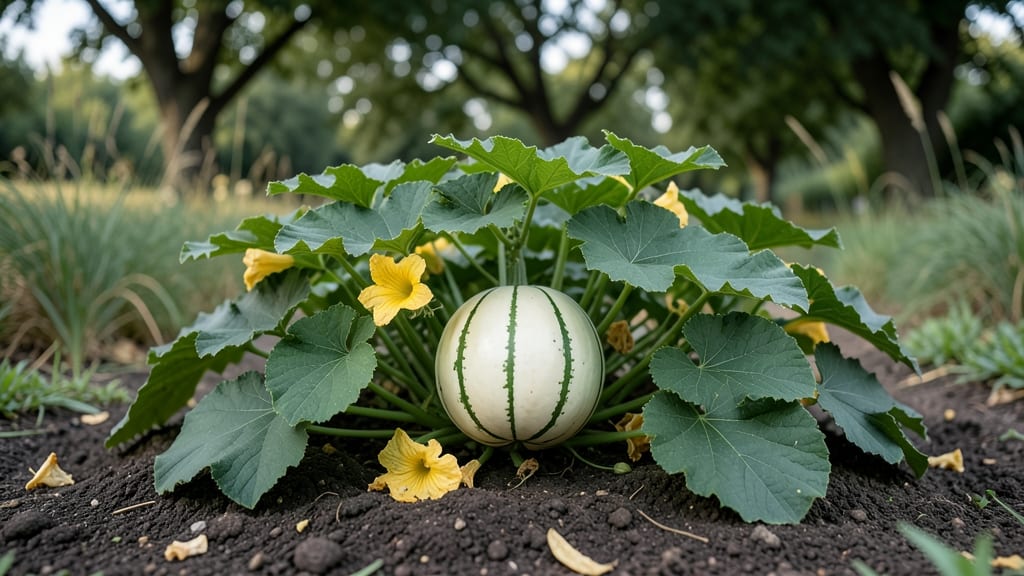
Growing white squash with its striking green stripes feels like cultivating a living work of art. 🌱 The variegated vines produce sweet, tender fruit that's perfect for roasting or spiralizing, and the compact growth habit makes it ideal for smaller gardens or container growing.
This isn't your typical sprawling squash plant—it stays more controlled, typically reaching 3-5 feet with fewer vines than standard varieties. The secret lies in well-draining soil rich in compost, consistent moisture, and a spot where it gets full sun (6-8 hours daily) without afternoon shade.
You'll know you're doing it right when the vines spread their unique foliage and the first blossoms appear in late summer. The fruit itself develops a creamy white rind with bold green stripes, signaling perfect ripeness for harvesting.
Common challenges include powdery mildew (prevent with proper spacing) and squash bugs (watch for eggs on undersides of leaves). With the right care, you'll end up with a productive vine that looks as good as it tastes!
📚 In This Guide
- What you need
- Instructions
- Tips and common mistakes
- Wrapping up and next steps
What you need
- ● Seeds: 3–5 seeds of Cucurbita pepo var. (white striped squash, e.g., 'White Bush Scallop' or 'Caserta'). Start with a few—these vines spread!
- ● Growing Space: Outdoor: Full sun (6+ hours/day), well-draining soil (pH 6.0–7.0). A 6’ x 6’ plot per plant (or trellis for vertical growth).
- ● Container: 15–20 gallon pot (minimum 18” deep) with drainage holes.
- ● Soil: Mix 1 part compost with 2 parts garden soil (add perlite for containers). Avoid heavy clay.
- ● Fertilizer: At planting: 1 cup 5-10-10 fertilizer per plant.
- ● Mid-season: Balanced liquid fertilizer (10-10-10) every 2–3 weeks.
- ● Hand trowel (for transplanting seedlings).
- ● Garden gloves (to protect from prickly vines!).
- ● Watering can or hose with a gentle nozzle (avoid blasting seedlings).
- ● Mulch (straw or black plastic) to retain moisture and suppress weeds.
- ○ Trellis or stakes (optional, for vertical growth—saves space!).
- ● Pruning shears (to trim excess vines and encourage fruit production).
- ● Last frost date: Wait until soil is 60°F+ (use a soil thermometer!).
- ● Warmth: Squash thrives in 70–90°F temps. Avoid transplanting in cool weather.
- ● Patience: Germination takes 7–14 days—stay consistent with moisture!
- ● Row covers (for early-season frost protection).
- ● Drip irrigation (automates watering and saves time).
- ● Companion plants: Bush beans or nasturtiums (deter pests like squash bugs).
- ● Grow lights (if starting indoors 3–4 weeks before last frost).
Step-by-step instructions for growing striped white squash
Here’s how to cultivate this striking variety with its bold variegation and manageable vines.
🌱 Step 1: Select and Prepare the Planting Site
Choose a location with full sun exposure (6-8 hours daily) and well-draining soil. Striped white squash thrives in loose, fertile ground with a pH between 6.0 and 7.0. I always amend the soil with 2-3 inches of compost mixed into the top 12 inches of soil to encourage strong root development.
If your soil is heavy clay, incorporate organic matter like aged manure or coconut coir to improve drainage. Avoid planting where cucurbits (like zucchini or pumpkins) grew the previous year to prevent disease buildup. The key here is prevention—healthy soil means fewer pests and stronger vines.
🌱 Step 2: Start Seeds Indoors or Direct-Sow After Frost
Begin seeds indoors 4-6 weeks before your last frost date in biodegradable pots filled with seed-starting mix. Plant 2 seeds per pot at a depth of 1 inch, covering them lightly with soil. Keep the mix moist but not soggy—bottom-watering (placing pots in a tray of water) helps prevent damping-off.
Once seedlings develop 2-3 true leaves, transplant them outdoors after all danger of frost has passed. Harden them off by placing them outside for 1-2 hours daily, gradually increasing exposure over 7-10 days. Direct-sowing is also possible once soil reaches 60°F—just plant 3 seeds per hill, spacing hills 3-4 feet apart for vines to sprawl.
☀️ Step 3: Train Vines and Provide Support
Striped white squash vines grow 4-6 feet long, so I recommend trellising or using a small cage to contain them. Train vines upward with soft twine or garden fabric, gently weaving them through the support as they grow. This not only saves space but also reduces disease risk by improving airflow around the foliage.
Watch for first female flowers (they’ll have tiny squash forming at the base) and hand-pollinate if needed by transferring pollen with a small paintbrush. The vines are compact but vigorous—prune side shoots that grow below the first 3-4 leaves to direct energy into fruit production rather than excessive foliage.
💧 Step 4: Water and Fertilize for Bold Variegation
Water deeply 1-2 times per week, aiming for 1-2 inches of moisture per week. Striped white squash is drought-tolerant once established, but consistent moisture keeps the fruit firm and the variegation vibrant. I water at the base of the plant in the early morning to prevent fungal issues and reduce leaf scorch.
Fertilize lightly with a balanced organic fertilizer (10-10-10) at planting, then again when flowers appear. Too much nitrogen leads to lush foliage but fewer squash—cut back on fertilizer once fruits start forming. The striped pattern is genetic, but stress from over-fertilization can dull its intensity.
✂️ Step 5: Harvest at Peak Ripeness for Best Flavor
Harvest when squash reach 6-8 inches in length and the skin is hard and glossy. Use pruning shears to cut stems cleanly, leaving a small portion attached to prevent rot. The stripes should be deep and crisp—if they fade, the squash may have been left on the vine too long.
Store in a cool, dry place (50-55°F) for up to 2 weeks. For long-term storage, cure squash by placing them in a warm (80-85°F) spot for 10 days before refrigerating. This enhances sweetness and shelf life. Watch for overripe squash (soft spots, dull stripes)—they’re best used immediately in recipes.
Tips & tricks for perfect striped white squash cultivation
Here's what I learned after growing this stunning variety year after year—these tricks ensure those bold stripes stay vibrant and your vines stay manageable.
Soil Preparation Secret: The 2-3 inches of compost in the top 12 inches of soil isn't just about nutrients—it creates ideal pore space for those deep green stripes to develop fully. I take it a step further by adding a handful of worm castings to the planting hole itself. This extra boost gives seedlings an immediate energy reserve, especially important when you're starting those 2 seeds per pot indoors 4-6 weeks before frost. The castings also help maintain that critical 6.0-7.0 pH range without needing to test constantly.
Seedling Hardening Strategy: When hardening off those 2-3 true leaf seedlings, I start with just 1 hour outside on day one, then increase by 30 minutes each day. The key is to protect the leaves from direct afternoon sun during this 7-10 day process—use shade cloth if needed. I've found this gradual approach prevents the shock that often causes seedlings to wilt after transplanting. Once they're fully hardened, they handle the 60°F soil temperature beautifully and establish quickly.
Vine Training Insight: For the 4-6 foot vines, I've discovered that using a small tomato cage (about 3 feet tall) works better than traditional trellising. The circular shape naturally guides the vines upward while providing more surface area for airflow than a single trellis would. When you see those first female flowers with tiny squash at the base, gently wrap the main vine around the cage—this prevents the developing fruits from dragging on the ground where they might rot.
Watering Technique: The 1-2 inches of moisture per week guideline works, but I've refined it by using a rain gauge near my plants. When we get our weekly 1-2 inches from natural rainfall, I skip supplemental watering entirely. However, during dry spells, I water deeply at the base in the early morning, aiming for about 1 inch of water. This method keeps the variegation sharp while preventing the leaf scorch that can occur with overhead watering—especially important when the vines are in their 4-6 foot growth phase.
Pro Tips for White Squash With Green Stripes
- Here's what I learned after growing this stunning variety year after year—these tricks ensure those bold stripes stay vibrant and your vines stay manageable.
- Soil Preparation Secret: The 2-3 inches of compost in the top 12 inches of soil isn't just about nutrients—it creates ideal pore space for those deep green stripes to develop fully.
- Seedling Hardening Strategy: When hardening off those 2-3 true leaf seedlings, I start with just 1 hour outside on day one, then increase by 30 minutes each day.
Frequently asked questions
Got questions about growing white squash with those stunning green stripes?
You’re not alone! Here are the most common queries—plus quick, actionable answers to keep your vines thriving.
What’s the best way to tell if my white squash with green stripes is healthy?
A healthy plant has vibrant variegated leaves (white with bold green stripes), sturdy vines, and no yellowing or wilting. Check the undersides of leaves for pests like squash bugs or spider mites. If vines look leggy or weak, it may need more sunlight or nutrients.
How long does it take for white squash with green stripes to produce fruit?
Expect 70–90 days from transplanting to harvest, depending on your climate. Early blooms (yellow flowers) mean fruit is on the way! Pro tip: Pollinate by hand (gentle brushes work) if bees are scarce in your area.
Can I substitute white squash with green stripes for regular zucchini in recipes?
The flavor and texture are nearly identical—just with striking visual appeal. Use it in soups, grilled dishes, or spiralized noodles. For extra flair, slice it thinly and roast to highlight the variegation.
Why are my squash flowers falling off before fruiting?
This usually means temperature stress (too hot or cold) or poor pollination. Keep plants in 70–85°F zones, and hand-pollinate if needed. Bonus: Avoid over-fertilizing with nitrogen—it boosts foliage but stunts fruit.
Do white squash with green stripes need special soil or fertilizer?
Not necessarily! They thrive in well-draining, compost-rich soil (pH 6.0–7.0). Use a balanced 10-10-10 fertilizer at planting, then switch to low-nitrogen, high-phosphorus (like 5-10-10) when flowers appear. Mulch to retain moisture.
Wrapping up and next steps
Growing white squash with green stripes is a rewarding journey—packed with bold visual appeal and compact, manageable vines. Whether you’re drawn to its striking variegation or eager to add a unique twist to your garden, this variety delivers flavor, beauty, and versatility in every bite. 🌱✨
Ready to take the next step? Start by sketching your garden layout or prepping your soil—then plant those seeds with confidence! Share your progress or harvest with fellow gardeners for extra motivation. Happy growing!