
Companion Plants
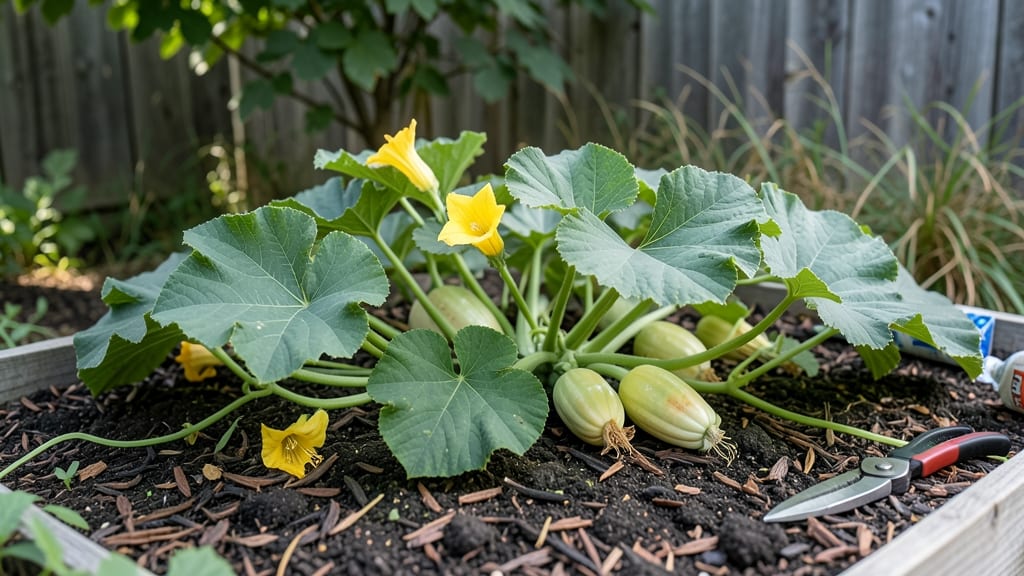
Finding pics of squash plants reveals their unique leaf shapes, sprawling vines, and fruit forms—from lobed summer squash leaves to the thick, waxy rinds of winter varieties like butternut or acorn. These visual cues help gardeners quickly identify varieties and plan companion plantings.
Squash plants showcase incredible diversity in their foliage and growth patterns, making visual identification a gardener's superpower. 🌿 The broad, lobed leaves of summer squash varieties like zucchini contrast sharply with the more rounded, deeply veined leaves of winter squash such as pumpkins.
Even the vines tell a story—bush types stay compact while vining varieties sprawl dramatically, sometimes reaching 20 feet or more. I always recommend keeping a photo journal of your plants' progress, as these visual markers help track growth stages and spot early signs of pests or nutrient deficiencies.
For the most accurate visual references, I suggest checking trusted botanical databases like the USDA Plants Database or gardening forums where experienced growers share labeled photos.
These resources often include close-ups of leaf textures, vine habits, and fruit development at different stages—critical details for distinguishing between similar-looking varieties like spaghetti squash and delicata. 🔍 Pro tip: Search for "squash plant growth stages" to find side-by-side comparisons that reveal how leaves change as fruits mature.
💡 In This Article
- Identifying Squash Plant Types by Leaf and Vine Structure
- Best Squash Plant Photos for Gardeners by Growth Stage
Identifying squash plant types by leaf and vine structure
Squash plants reveal their identities through leaf morphology and vine architecture, with summer squash varieties like zucchini showcasing deeply lobed, jagged-edged leaves that grow on sprawling vines reaching 6-12 feet.
These leaves typically measure 4-8 inches wide and feature 5-7 prominent lobes with serrated margins, creating a distinctive "hand-like" shape.
The vines themselves produce tendrils that help them climb or sprawl, while bush varieties like pattypan squash stay more compact (3-5 feet) with thicker stems that support heavier fruit loads.
The key difference between summer and winter squash lies in their leaf texture and vine growth patterns. Winter squash varieties such as butternut or acorn develop larger, smoother-edged leaves with 3-5 shallow lobes and a waxy coating that reduces water loss—a critical adaptation for their longer growing season.
Their vines often grow 15-20 feet in ideal conditions, producing thicker, more rigid stems capable of supporting the weight of mature fruits. Ornamental gourds take this a step further with deeply veined, almost leathery leaves and vines that can exceed 30 feet in length.
These structural differences directly impact cultivation strategies. Summer squash's rapid vine growth means gardeners need to provide trellises or wide spacing (3-4 feet between plants) to prevent disease spread from crowded foliage.
Winter squash, with its thicker stems and slower maturation, benefits from deeper soil preparation to support root systems that can reach 2-3 feet deep.
The leaf shape also serves as an early warning system—yellowing between veins often signals viral infections, while crinkled or curled leaves may indicate pest activity like squash vine borers.
For visual identification, focus on these three key characteristics: leaf lobing pattern (deep vs. shallow), vine length (compact vs. sprawling), and stem thickness (thin vs. rigid).
For example, a zucchini plant will show 5-7 deep lobes on vines that spread aggressively, while a butternut squash displays 3-5 shallow lobes with vines that grow upward more vertically.
These traits become even more pronounced as the plants mature, with fruit development often following specific leaf arrangements—something experienced gardeners use to predict harvest timing.
Here's what most gardeners miss: the leaf arrangement along the vine tells you about the plant's growth habit. Summer squash typically show alternate leaf patterns (one leaf per node), while winter squash varieties often develop opposite leaves (two leaves per node) as they mature.
This subtle detail helps distinguish between similar-looking varieties when fruits aren't yet visible. For instance, spaghetti squash leaves will appear more oval with rounded lobes, while acorn squash leaves develop deeper indentations between lobes as the fruit begins to form.
Consider these visual cues when selecting plants: the leaf color (darker green indicates healthier plants), stem hairiness (some varieties have fuzzy stems that deter pests), and leaf undersides (waxy coating in winter squash vs. hairy texture in some summer varieties).
These details become especially valuable when comparing young plants before fruits develop, helping you make informed decisions about spacing, support structures, and companion planting strategies.
Pro tip: Take close-up photos of your plants at different growth stages—especially when the first true leaves appear and when flowers begin to form. These images will become your visual reference library for future seasons, allowing you to spot subtle differences between varieties that might otherwise go unnoticed. 🌱