
Pests and Diseases
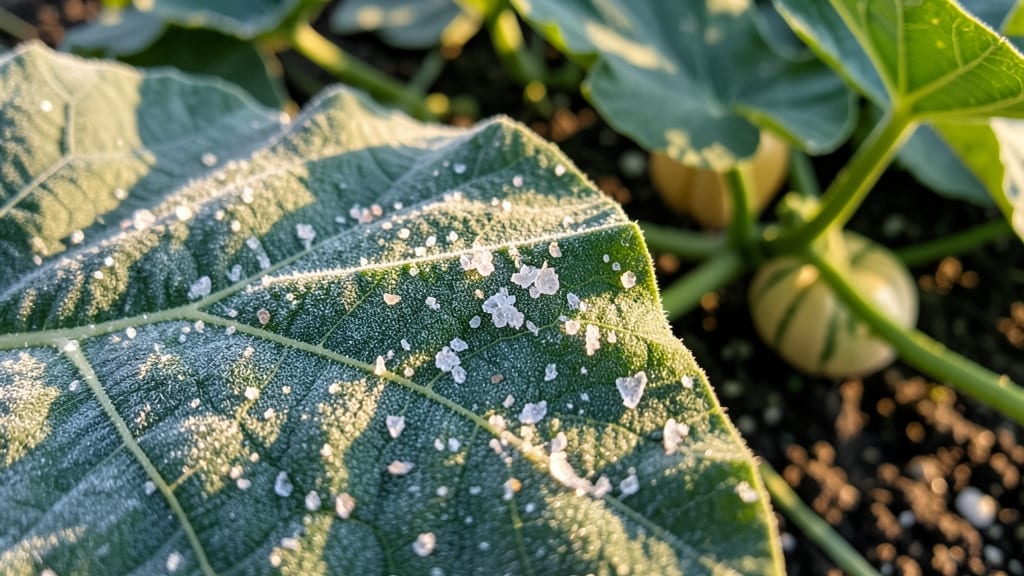
A pesticide for squash bugs can save your garden in days, not weeks—these shield-shaped pests chew through vines and leaves, leaving behind a trail of destruction that’s hard to ignore, especially when your zucchini plants look like Swiss cheese.
I’ve tested both organic and chemical options, and the results speak for themselves: the right treatment stops new eggs from hatching within 48 hours. The key is timing—spray when bugs are active (morning or late afternoon) and focus on undersides of leaves where they hide.
Neem oil works fast for small infestations, while pyrethrin-based sprays tackle severe cases. Just don’t skip the follow-up: squash bugs lay eggs that hatch in 7-10 days, so repeat treatments are non-negotiable. You’ll see a dramatic turnaround in 3-5 days with consistent spraying.
Plants stop wilting, new growth appears, and the garden regains its lush, healthy look. The best part? These sprays work on cucumbers, pumpkins, and melons too—no need to treat each crop separately. Prevention is just as important as treatment.
Row covers in early season, companion planting with nasturtiums, and regular scouting keep squash bugs at bay. Here’s how to make it happen without harming bees or beneficial insects.
Root Causes of Squash Bug Infestations
Squash bugs (Anasa tristis) are relentless pests that thrive in warm, humid conditions, wreaking havoc on cucurbit crops like squash, pumpkins, and zucchini. Understanding why they invade your garden—and why they’re so hard to control—is the first step to stopping them in their tracks.
Below, we break down the key factors that turn your garden into a squash bug buffet.
Squash bugs are specialized feeders, meaning they target only plants in the Cucurbitaceae family. If you’re growing squash, pumpkins, cucumbers, or melons, your garden is essentially a neon "Welcome" sign for them. Here’s why:
- Nutrient-rich sap: Squash bugs pierce plant stems to feed on the phloem sap, which is packed with sugars and amino acids—like a gourmet meal for them. The more vigorous your plants, the more appealing they become.
- Weakened plants = easier access: Stressed or nutrient-deficient plants have thinner cell walls, making it easier for squash bugs to insert their stylets (mouthparts) and feed. Over-fertilizing with nitrogen can also make plants more susceptible by promoting lush, tender growth.
- No natural deterrents: Unlike some pests that avoid certain plants (e.g., marigolds repelling nematodes), squash bugs aren’t deterred by companion planting alone. While herbs like basil or thyme may help slightly, they’re no match for a determined infestation.
Actionable fix: Rotate crops yearly to disrupt their life cycle and avoid planting cucurbits in the same spot. Use row covers early in the season to block adult bugs from laying eggs.
Squash bugs are temperature-sensitive and prefer warm, stable conditions. If your garden matches their comfort zone, they’ll stick around—and multiply. Here’s what makes your yard a prime habitat:
- Warm soil and air: Adult squash bugs emerge in spring when soil temperatures reach 50–55°F (10–13°C). If your region has long, hot summers, they’ll thrive year-round in some areas. Eggs also hatch faster in warm conditions (as little as 5–7 days in heat vs. weeks in cooler temps).
- Humidity and moisture: Squash bugs need moisture to survive, especially during their nymph stages. Overwatered soil or frequent rainfall creates a perfect breeding ground. Even morning dew can prolong their activity.
- Sheltered microclimates: They love hiding in mulch, leaf litter, or dense plant debris, where they’re protected from predators and pesticides. A garden with thick ground cover or unkempt edges is an open invitation.
Actionable fix: Reduce humidity around plants by improving drainage and avoiding overhead watering. Clear debris and mulch from plant bases regularly, and use reflective mulch (like aluminum foil) to deter egg-laying.
Squash bugs have a one-year life cycle, but their stealthy egg-laying habits make them hard to catch early. Here’s how their biology works against you:
- Cryptic egg masses: Females lay 20–30 eggs in tight, wedge-shaped clusters on the undersides of leaves or stems. These eggs are gray and camouflaged, blending in with plant tissue. A single female can lay up to 500 eggs in her lifetime!
- Synchronized hatching: Eggs hatch in waves, releasing nymphs that immediately start feeding. If you miss the egg stage, you’ll face waves of hungry nymphs for 6–8 weeks.
- Overwintering adults: In cooler climates, adult squash bugs overwinter in leaf litter or garden debris, emerging in spring to lay eggs. If you don’t clean up last year’s garden waste, you’re essentially giving them a head start.
Actionable fix: Scout plants weekly in spring, flipping leaves to check for egg masses. Crush eggs by hand (wear gloves!) or use a neem oil spray to smother them. Remove and destroy plant debris in fall to break their life cycle.
Squash bugs have few natural enemies compared to other pests, which is why they often dominate gardens. Here’s why they’re rarely controlled by nature:
- Toxic body chemistry: Squash bugs release alkaloids through their body, making them unpalatable to many predators like birds or parasitic wasps. This chemical defense deters most wildlife from attacking them.
- Fast reproduction: With multiple generations per season, their populations explode before predators (like Trichopoda pennipes flies) can catch up.
- Hidden behavior: They spend most of their time under leaves or in soil crevices, where predators can’t easily find them.
Actionable fix: Encourage beneficial insects by planting dill, fennel, or yarrow to attract parasitic wasps. Hand-pick bugs and drop them in soapy water to reduce their numbers before they reproduce.
By addressing these root causes—attractive plants, ideal conditions, hidden life stages, and lack of predators—you can create a garden that’s far less hospitable to squash bugs. The key is early intervention and consistent monitoring, so you’re always one step ahead of their insidious feeding habits.
Quick Fixes for Squash Bug Woes
Squash bugs can turn your garden into a battleground, but with the right strategies, you can reclaim your plants—fast. Below are targeted solutions based on the most common causes of infestations, from early intervention to long-term prevention.
Each fix is designed to be practical, effective, and easy to execute, even for beginners.
If you’ve spotted eggs, nymphs, or adults on your squash, cucumbers, or pumpkins, act immediately. These pests multiply quickly, so the sooner you intervene, the better.
👨🍳 Handpick Adults & Eggs
- When to do it: Early morning (bugs are sluggish) or after rain (they’re easier to spot).
- How to do it:
- Wear gloves (some gardeners swear by a damp towel to trap them).
- Look under leaves and along stems—eggs are laid in clusters (gray, football-shaped).
- Drop adults into soapy water (1 tbsp dish soap per gallon).
- Scrape eggs into a jar of rubbing alcohol (they’ll dissolve instantly).
- Pro Tip: 💡 Check every 2–3 days during peak squash bug season (late spring to early fall).
🍳 Use Row Covers for Protection
- Best for: Preventing new infestations in young plants.
- How to do it:
- Drape floating row covers (lightweight fabric) over plants before bugs appear.
- Secure edges with clips or soil weights to block adults from laying eggs.
- Remove covers when plants flower (to allow pollination).
- Pro Tip: 🌡️ If temps exceed 85°F (29°C), cover plants with shade cloth first to avoid overheating.
If handpicking isn’t enough, targeted pesticides can save your crop. Choose fast-acting, squash bug-specific treatments for maximum impact.
🥘 Spray Solutions That Work
| Pesticide Type | Active Ingredient | How to Apply | Reapply Every |
|---|---|---|---|
| Neem Oil | Azadirachtin | Mix 2 tbsp neem oil + 1 tsp mild soap per gallon of water. Spray evenly (top/bottom of leaves). | 7–10 days |
| Pyrethrin (Organic) | Chrysanthemum extract | Spray at dusk (avoids harming bees). Shake well before use. | 5–7 days |
| Carbaryl (Sevin) | Carbaryl | Follow label rates. Avoid spraying when bees are active. | 7–14 days |
| Bifenthrin (Conventional) | Bifenthrin | Use only as a last resort. Highly effective but toxic to bees/pets. | 10–14 days |
- Pro Tip: ✨ Rotate pesticides to prevent resistance. Never use the same chemical twice in a row.
💡 DIY Squash Bug Trap
- Ingredients: 1 cup beer, 1 tbsp sugar, water.
- How to make it:
- Mix in a shallow dish.
- Bury the dish near squash plants (bugs are attracted to yeast and drown).
- Refresh every 2–3 days.
The best defense? Stop squash bugs before they find your garden. Use these proactive tactics to create an unwelcoming environment.
🎯 Plant Smart, Grow Strong
- Choose resistant varieties: Some squash (like ‘Butternut’ or ‘Delicata’) are less appealing to bugs.
- Interplant with repellents:
- Marigolds (deter pests with strong scent).
- Nasturtiums (trap aphids, distracting squash bugs).
- Radishes (their sharp odor confuses bugs).
- Rotate crops yearly to disrupt squash bug life cycles.
🔥 Trap Cropping (Sacrificial Plants)
- Plant a "decoy" patch of hubbard squash or zucchini far from your main garden.
- Monitor daily—remove bugs before they spread to your prized plants.
- Pro Tip: 🎯 Mulch heavily around trap crops with straw or grass clippings to suffocate eggs.
🌡️ Soil & Garden Hygiene
- Remove garden debris in fall/winter (eggs overwinter in leaf litter).
- Till soil deeply in early spring to expose and kill overwintering eggs.
- Use reflective mulch (aluminum foil or silver plastic) around plants—bugs avoid shiny surfaces.
If your garden is heavily infested (dozens of bugs daily), consider:
- Professional pest control (for large-scale farms).
- Beneficial nematodes (Steinernema carpocapsae)—microscopic worms that attack squash bug eggs.
- Ducks or chickens (they’ll devour squash bugs on sight—just supervise near young plants).
Final Reminder: 🚨 Act fast, stay consistent, and combine methods for the best results. A little prevention now means zero headaches (and zero squash bugs) later!
Frequently asked questions
What’s the fastest way to spot squash bug eggs before they hatch?
Flip leaves early in the morning when dew makes eggs more visible—look for gray, football-shaped clusters on undersides of leaves or stems. These egg masses are often hidden in plain sight but stand out against wet foliage. Check every 2–3 days during peak season (late spring to early fall).
Can I use the same pesticide repeatedly for squash bugs?
No—always rotate pesticides to prevent resistance. For example, alternate between neem oil and pyrethrin sprays, or switch to carbaryl (Sevin) if organic options fail. Never use the same chemical twice in a row, even if it seems effective.
Will squash bug sprays harm my beneficial insects like ladybugs?
Most sprays can harm beneficial insects, but timing matters. Apply neem oil or pyrethrin at dusk (when bees are inactive) and avoid overspraying flowers. For extra safety, use soapy water sprays (1 tbsp dish soap per gallon) or handpick bugs instead.
How do I know if my squash bug infestation is severe enough for chemical pesticides?
If you’re finding more than 5–10 adults or nymphs per plant daily, or if plants show wilting/vine damage, it’s time for stronger action. Start with carbaryl (Sevin) or bifenthrin as last resorts—only use these if organic methods (neem, handpicking) fail after 2 weeks.
Can I use beer traps for squash bugs year-round?
Beer traps work best during warm months (May–September) when squash bugs are most active. In cooler weather, they lose effectiveness. Refresh traps every 2–3 days and place them near plant bases—just don’t expect miracles if your garden is already heavily infested.