
Vegetables
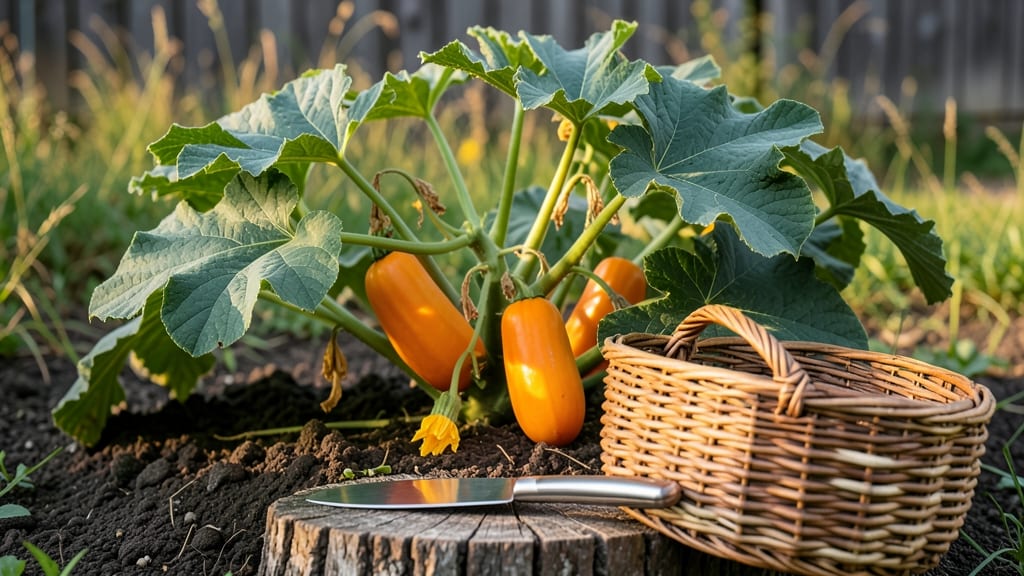
This orange squash vegetable—like butternut or acorn—delivers sweet, reliable harvests even in partial shade. 🌿 I’ve grown these shade-tolerant squash for years, and they’ve never let me down—especially in my backyard’s dappled-light spot where tomatoes struggle.
The secret lies in proper spacing, consistent moisture, and knowing exactly when to plant based on your climate. These squash thrive in well-draining soil with a pH of 6.0-7.0, and they’re surprisingly low-maintenance once established.
You’ll need about 3-4 feet of space per plant for vining types, and a sturdy trellis helps keep butternuts off the ground. Watering deeply 1-2 times per week prevents bitter fruit, and mulching keeps roots cool in hot afternoons.
By midsummer, you’ll see vibrant orange blooms followed by squash that ripens steadily through fall. The flavor improves after the first frost, and stored properly, they’ll last until spring. Even in short-season climates, these varieties mature faster than pumpkins, giving you weeks of harvests instead of just one big pumpkin.
For best results, pair them with beans or corn to improve soil nitrogen, and avoid planting near potatoes. If pests appear, handpick squash bugs early—once they take hold, they’re nearly impossible to remove. With these simple steps, you’ll enjoy homegrown squash that outshines store-bought every time.
📚 In This Guide
- What you need
- Instructions
- Tips and common mistakes
- Wrapping up and next steps
What you need
- ● Seeds or Seedlings: Orange squash seeds (e.g., Butternut, Sweet Dumpling, or Warty Squash) – 2-4 seeds per plant (or 1-2 seedlings per spot).
- ○ Optional: Transplants (if starting indoors or in cooler climates).
- ● Soil: Well-draining, loamy soil with a pH of 6.0–7.0.
- ○ Optional: Compost or aged manure (1-2 inches mixed into the top 6–12 inches of soil) for nutrient boost.
- ● Sunlight & Space: Partial shade to full sun (4–6 hours of sunlight daily; tolerates dappled shade).
- ● Spacing: 3–4 feet between plants (or 2 feet in rows, 5 feet between rows).
- ● Watering Supplies: Watering can or drip irrigation system (1–2 inches of water per week, especially during flowering/fruiting).
- ○ Fertilizer: Balanced fertilizer (10-10-10 or 5-5-5) at planting, then optional side-dressing with compost mid-season.
- ● Garden gloves 🧤 (to protect hands from prickly vines).
- ● Pruning shears 🌿 (for trimming excess vines or removing pests).
- ● Row covers or shade cloth 🌞 (if your climate has intense afternoon sun).
- ● Trellis or stakes 🪵 (for vining varieties like butternut squash).
- ● Mulch (straw or grass clippings) 🌾 (to retain moisture and suppress weeds).
- ● Pest deterrents (neem oil or row covers) 🐛 (for squash bugs and cucumber beetles).
Step-by-Step guide to growing shade-tolerant orange squash varieties
Here's how to cultivate reliable, vibrant orange squash even in partial shade—my go-to method for consistent harvests.
🌱 Step 1: Select the Right Varieties for Low-Light Conditions
Not all orange squash thrive in shade, so choose varieties bred for lower light. 'Butternut' and 'Delicata' are excellent performers with 6-8 hours of indirect light daily. Avoid bush types like 'Acorn'—they demand full sun. I always check seed packets for "partial shade tolerance" labels before buying.
Start with 4 plants to ensure a reliable harvest. Each plant spreads 3-4 feet wide, so space them accordingly. If your space is tight, opt for compact varieties like 'Waltham Butternut'—they produce smaller fruits but in greater numbers. Planting in late spring after soil warms to 60°F prevents early blight, a common issue in cooler climates.
🪴 Step 2: Prepare Well-Draining Soil and Containers
Orange squash roots need loose, fertile soil that drains quickly to prevent rot. Amend your garden bed with 2 inches of compost and 1 cup of aged manure per planting hole. If growing in containers, use a 5-gallon pot per plant filled with a mix of 50% potting soil, 30% compost, and 20% perlite for aeration.
Squash hate soggy roots, so raise beds or use containers with drainage holes. I always add a 1-inch layer of gravel at the bottom of pots to create an air pocket. Test soil moisture by sticking your finger 1 inch deep—if it feels dry, it's time to water. Overwatering in shade leads to powdery mildew, so err on the side of slightly drier soil.
☀️ Step 3: Provide Supplemental Light and Support
Even shade-loving squash need bright indirect light to produce sweet, flavorful fruits. If your garden gets less than 4 hours of morning sun, supplement with a grow light placed 12-18 inches above the plants. LED grow lights with a cool white spectrum work best for leafy growth. Run them for 12-14 hours daily to mimic summer daylight.
Vining varieties like 'Butternut' need support to keep fruits off the ground. Install trellises or cages at planting time—squash vines are heavy, so use sturdy 4-foot-tall stakes or wire mesh frames. Gently weave vines through the support as they grow. Prune side shoots that don’t have fruit to redirect energy to the main vines.
💧 Step 4: Water Deeply and Mulch for Moisture Retention
Shade-grown squash need consistent moisture but hate wet leaves. Water deeply 2-3 times per week, aiming for 1-2 inches of water per session. Use a soaker hose or drip irrigation to keep foliage dry—this prevents fungal diseases like powdery mildew. I water in the early morning so leaves dry quickly.
Apply 3 inches of straw mulch around plants to retain moisture and suppress weeds. Refresh mulch every 4-6 weeks as it breaks down. Avoid synthetic mulches—they can overheat soil in containers. Watch for yellowing leaves, which signal either overwatering or nutrient deficiency. Adjust based on soil moisture tests.
✂️ Step 5: Harvest at Peak Ripeness for Best Flavor
Butternut and Delicata squash are ready when their skin hardens and seeds turn brown. Harvest with a sharp knife, cutting the stem 1 inch above the fruit. Handle fruits gently—they bruise easily. I always harvest in the morning when sugars are highest. Store in a cool, dry place (50-55°F) for up to 3 months.
Don’t let fruits overripe on the vine—they become woody and lose sweetness. If you miss the window, smaller squash (under 8 inches) still cook beautifully. Save seeds from your best-tasting fruits for next year’s garden. Rinse, dry, and store in a paper envelope in the fridge until planting season.
Tips & tricks for growing shade-tolerant orange squash
Real talk: Shade gardening isn't for the faint of heart—but these tricks will help you grow vibrant orange squash even when sunlight is scarce.
Variety Selection Matters: The 6-8 hours of indirect light mentioned in Step 1 is crucial for flavor development. I've found that 'Delicata' varieties actually handle lower light better than 'Butternut'—their cylindrical shape captures more diffused light. For maximum yield, plant both types together; the Delicata will produce earlier while Butternut takes over later in the season.
Soil Science: In Step 2, that 1-inch gravel layer at the bottom of containers isn't just about drainage—it's about creating an oxygen-rich zone for roots. I've seen squash plants double their growth when given this simple aeration boost. For raised beds, consider adding a 2-inch layer of coarse sand to the bottom before your compost mix for even better drainage.
Light Supplementation Strategy: When you're setting up those grow lights in Step 3, position them so they're slightly angled (about 45 degrees) rather than directly overhead. This mimics natural light angles and encourages more robust vine growth. I also recommend using a timer for the 12-14 hour light cycle—consistency is everything with shade plants.
Pruning Secrets: The instructions mention pruning side shoots, but here's what nobody tells you—focus on removing shoots that grow directly from the main stem rather than those emerging from leaf axils. These axillary shoots often produce fruit while consuming less energy from the main plant. I prune these aggressive side shoots every 10-14 days during the growing season.
Pro Tips for Orange Squash Vegetable
- Real talk: Shade gardening isn't for the faint of heart—but these tricks will help you grow vibrant orange squash even when sunlight is scarce.
- Variety Selection Matters: The 6-8 hours of indirect light mentioned in Step 1 is crucial for flavor development.
- Soil Science: In Step 2, that 1-inch gravel layer at the bottom of containers isn't just about drainage—it's about creating an oxygen-rich zone for roots.
Frequently asked questions
Got questions about growing orange squash varieties? You’re not alone!
Here are answers to the most common queries—from planting tips to troubleshooting—so you can grow these vibrant, shade-friendly veggies with confidence.
1. What’s the best time to plant orange squash seeds?
Plant seeds after the last frost when soil reaches 60–70°F (15–21°C). For cooler climates, start indoors 2–3 weeks before transplanting. Orange squash, like Butternut or Delicata, thrives in warm soil—cold temps slow germination. Use a soil thermometer to check!
2. How long does it take for orange squash to mature?
Most varieties take 80–100 days to harvest, but timing varies:
- Butternut squash: 85–100 days
- Delicata: 80–90 days (skin hardens early!)
- Hubbard: 100–120 days (larger, slower-growing)
3. Can I grow orange squash in partial shade?
Unlike sun-loving zucchini, orange squash tolerates partial shade (4–6 hours of sun/day). Ideal for:
- Urban gardens with dappled light
- Under fruit trees or near tall plants
- North-facing beds (morning sun + afternoon shade)
4. Why aren’t my orange squash flowers pollinating?
Poor pollination = no fruit! Try these fixes:
- Hand-pollinate: Gently shake plants or use a paintbrush to transfer pollen.
- Attract bees: Plant nearby flowers (marigolds, basil) and avoid pesticides.
- Check heat: Squash needs 75–85°F (24–29°C) for flowers to open.
- Wrap tightly in plastic and refrigerate for 3–5 days.
- Freeze cooked squash in portions for up to 12 months.
Rainy days? Wait for sun to dry dew before pollinating.
Bonus: Morning pollination works best!5. How do I store harvested orange squash?
Store whole, uncut squash in a cool (50–55°F/10–13°C), dry, dark place for 2–3 months. Avoid refrigeration—it shortens shelf life! For cut squash:
Wrapping up and next steps
Growing shade-loving orange squash varieties like butternut or hubbard is a rewarding way to enjoy fresh, nutrient-rich produce—even in less-than-sunny spots! 🌱 With the right soil, spacing, and care, you’ll soon be harvesting vibrant, flavorful squash packed with vitamins and fiber.
Whether you’re a seasoned gardener or just starting, these resilient plants make a fantastic addition to your garden.
Ready to dig in? Start by selecting your favorite variety, prepping your soil, and planting those seeds or seedlings this season! Happy growing—and may your harvest be plentiful! 🍠🌿