
Pests
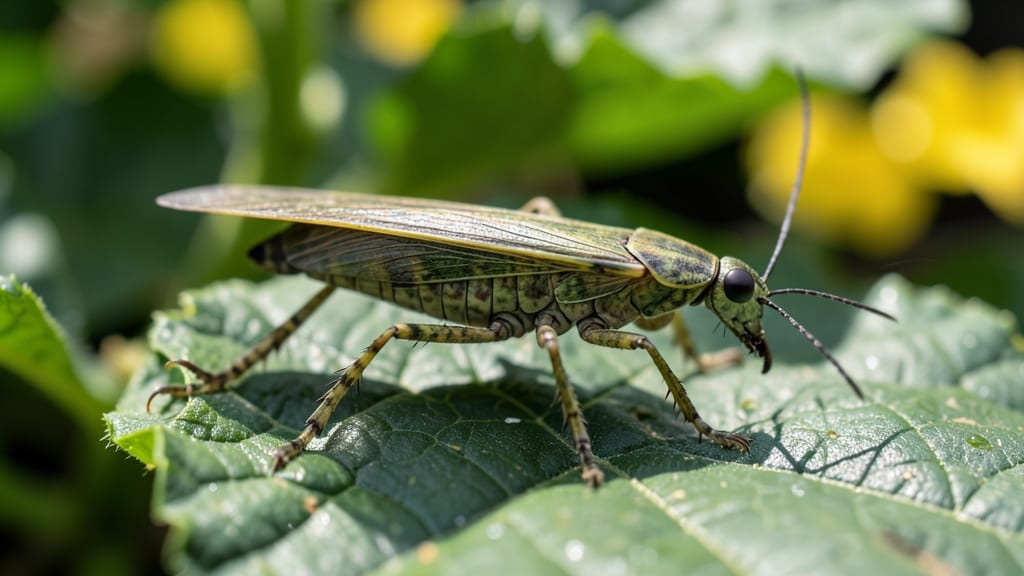
A natural squash bug killer is your secret weapon when those shield-shaped pests turn your thriving vines into skeleton leaves overnight—here’s the soap-and-oil spray that stops them dead without harming your plants or pollinators.
The secret lies in two ingredients: castile soap (disrupts their waxy armor) and horticultural oil (smothers eggs and adults). Mix them with water, add a drop of dish soap for stickiness, and spray undersides of leaves where bugs hide. Reapply every 5-7 days during outbreaks for best results.
You’ll see fewer slime trails and fewer adults after the first treatment. Plants recover faster, and the spray works on cucumber beetles too. No more chemical residue, no more waiting for re-entry times—just a quick spray that works. Works for backyard gardens, raised beds, and container-grown squash alike.
Here’s the exact recipe and timing that’s saved my harvests for seasons.
Root Causes Of Squash Bug Infestations
Squash bugs—those shield-shaped pests with a taste for your cucurbits—don’t just appear out of nowhere. Their invasion is the result of a mix of environmental, agricultural, and even human factors. Understanding why these bugs target your garden is the first step to stopping them naturally.
Below, we break down the key triggers that turn your squash patch into a squash bug buffet.
Squash bugs are drawn to plants that are already struggling. When your squash, pumpkins, or cucumbers are crowded, they become easier targets for these pests. Here’s why:
- Reduced resilience: Overcrowded plants compete for nutrients, water, and sunlight, weakening their natural defenses. Squash bugs detect this vulnerability through plant odors and pheromones.
- Moisture buildup: Dense foliage traps humidity, creating the perfect breeding ground for squash bugs. Their eggs thrive in damp, shaded conditions.
- Physical access: Tight plant spacing makes it easier for adult bugs to lay eggs directly on stems and leaves, where they’re hidden from predators and sprays.
Actionable fix: Space your plants 3–4 feet apart to improve airflow and reduce stress. Prune lower leaves to minimize hiding spots for eggs.
Squash bugs are masters of camouflage, and they love to hide in garden clutter. Leaving behind plant debris, old vines, or even fallen leaves creates a cozy nursery for their eggs and nymphs. Here’s how it happens:
- Winter survival: Adult squash bugs overwinter in leaf litter, mulch, or garden edges. If you don’t clean up these areas, they’ll return in spring ready to reproduce.
- Egg-laying hotspots: Females prefer to deposit eggs on weedy areas or dead plant material near their host plants. A messy garden = more egg clusters.
- Nymph hiding: Once hatched, young squash bugs (nymphs) blend into debris, making them nearly invisible until they’re ready to feed.
Actionable fix: Clear garden beds thoroughly in fall and spring. Remove all plant residue, weeds, and mulch from the base of squash plants. Consider using black plastic mulch to smother overwintering bugs.
Squash bugs thrive in specific weather conditions—warm temperatures (70–85°F) and high humidity—because these factors accelerate their life cycle. Here’s the science behind it:
- Faster reproduction: In ideal conditions, a squash bug can lay up to 50 eggs in a single batch, and these eggs hatch in just 5–10 days. Humidity keeps eggs from drying out.
- Slower predator activity: Natural enemies like birds, spiders, and parasitic wasps are less active in extreme heat or humidity, giving squash bugs an edge.
- Plant stress amplification: Heat waves or sudden humidity spikes weaken plants, making them more attractive to feeding squash bugs.
Actionable fix: Monitor weather forecasts and use shade cloth or drip irrigation to moderate temperature and humidity. Plant squash in areas with good airflow to prevent stagnant heat.
In a balanced ecosystem, squash bugs face a gauntlet of predators—birds, lacewings, ground beetles, and parasitic wasps—that keep their populations in check. But when these predators are missing, squash bugs multiply unchecked. Common reasons include:
- Pesticide use: Broad-spectrum chemicals (even some "natural" sprays) can kill beneficial insects faster than squash bugs, creating a vacuum that pests rush to fill.
- Monoculture gardening: Planting large blocks of the same crop (e.g., acres of squash) eliminates habitat diversity, reducing predator populations.
- Urban/suburban landscapes:** Lawns, pavement, and lack of wildflower borders remove nesting sites and food sources for predator insects.
Actionable fix: Introduce predator-friendly plants like dill, fennel, or marigolds near your squash patch. Avoid synthetic pesticides and opt for targeted, natural solutions like neem oil or insecticidal soap.
By addressing these root causes—stress, debris, climate, and predator loss—you’re not just treating squash bugs; you’re disrupting their entire life cycle. The next step? Turn the tables with natural defenses.
Natural Ways To Eliminate Squash Bugs
Squash bugs may be stubborn, but with the right approach, you can reclaim your garden naturally—without harsh chemicals. The key is to act fast, combine methods, and prevent future infestations.
Below, we break down targeted solutions based on the root causes of your squash bug problem, from early detection to long-term defense.
Cause: Small populations go unnoticed until they multiply. Fix:
- Scout daily: Check the undersides of leaves, stems, and soil near plants. Adults are half-inch-long shield-shaped bugs; nymphs are smaller and yellowish.
- Handpick adults: Drop them into soapy water (🔹 1 tbsp dish soap per gallon of water). Wear gloves—these bugs release a foul odor when crushed!
- Crush nymphs: Use a stiff brush or your fingers to squish them on hard surfaces (like a tray) to avoid the stink.
Prevention Tip: 💡 Set up yellow sticky traps near plants to catch flying adults early.
Cause: Eggs, nymphs, and adults thrive when left untreated. Fix: Mix these non-toxic sprays and apply in the early morning or late evening (avoid direct sunlight to prevent plant burn):
| Recipe | How to Use | Best For |
|---|---|---|
| Soap Spray | 2 tbsp castile soap + 1 quart water. Spray directly on bugs (not just leaves). | Nymphs & soft-bodied adults |
| Neem Oil Mix | 1 tbsp neem oil + 1 tsp horticultural oil + 1 tsp soapy water + 1 quart water. Shake well. | Eggs & all life stages |
| Garlic Pepper Spray | Blend 4 garlic cloves + 1 tbsp cayenne pepper + 1 quart water. Strain and spray. | Deterrent + contact kill |
Pro Tip: ✨ Reapply every 5–7 days or after rain. For stubborn bugs, combine neem oil + soap for better adhesion.
Cause: Weak plants attract squash bugs; eggs overwinter in garden debris. Fix:
- Strengthen plants: Squash bugs target stressed vines. Water deeply at the base (avoid wetting leaves) and mulch with straw to retain moisture.
- Remove debris: Clean up fallen leaves, vines, and plant residue after harvest—this eliminates hiding spots for eggs.
- Rotate crops: Avoid planting squash, pumpkins, or cucumbers in the same spot yearly (bugs overwinter in soil).
Prevention Tip: 🌡️ Plant companion crops like nasturtiums, marigolds, or radishes—their strong scents repel squash bugs.
Cause: Some natural sprays (like neem oil) can harm bees and ladybugs. Fix:
- Spray only when flowers aren’t open (bees aren’t active).
- Avoid spraying in windy conditions to prevent drift.
- Encourage predators: Ladybugs, lacewings, and parasitic wasps eat squash bug eggs. Attract them with dill, fennel, or a shallow water dish with pebbles.
Pro Tip: 🎯 Spot-treat infested areas instead of blanket-spraying the whole garden.
Final Note: Consistency is key! Squash bugs reproduce quickly, so check plants weekly and act at the first sign of trouble. With these methods, you’ll keep your garden thriving—naturally and effectively.
Frequently asked questions
Can I use dish soap alone as a squash bug killer?
Dish soap can help, but it's most effective when combined with other ingredients. A 1 tablespoon per gallon of water solution works best for nymphs, but adults have a waxy shell that makes them more resistant. For better results, mix it with horticultural oil or neem oil to smother all life stages. Always test on a small leaf area first.
How often should I reapply natural sprays?
Reapply your natural spray every 5-7 days during active infestations, or after heavy rain. The key is consistency—squash bugs reproduce quickly, so don't wait until you see new eggs. Early morning or late evening applications work best to avoid harming beneficial insects and prevent plant burn from sunlight.
Will natural methods work on squash bug eggs?
Yes! While soap sprays may not penetrate egg shells, neem oil and horticultural oil are particularly effective against eggs. Spray undersides of leaves thoroughly—this is where females lay their clusters. For maximum impact, combine oils with soap to improve adhesion and coverage. Check leaves every 3-4 days during warm weather.
Are there any plants that naturally repel squash bugs?
Plant nasturtiums, marigolds, or radishes near your squash patch—their strong scents deter squash bugs. You can also try catnip or tansy as companion plants. The key is to interplant these throughout your garden rather than in separate beds, creating a natural barrier that confuses and repels the pests.
What should I do if I find squash bugs too late and my plants are already damaged?
Don't panic! While you can't reverse damage, focus on saving the remaining plant health and preventing further spread. Prune heavily damaged leaves, apply a neem oil spray immediately, and strengthen the plant with deep watering and mulching. For next season, implement better prevention like crop rotation and thorough cleanup to break the bug's life cycle.