
Pests and Diseases
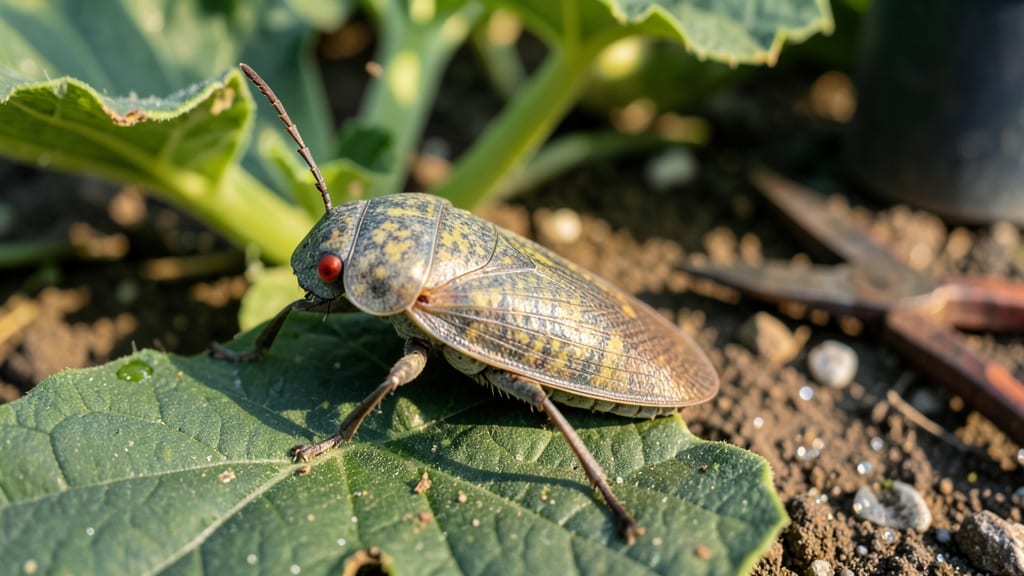
A natural insecticide for squash bugs is your secret weapon—no chemicals needed to outsmart these shield-backed pests. 🌿 I’ve battled them for years, and these sprays—neem oil, soapy water, and herb-based formulas—work just as well, without harming... your plants or pollinators. The key is timing and consistency, not brute force.
Most gardeners fail because they wait until the bugs are already feasting on your squash leaves. Start spraying at the first sign of eggs (tiny clusters under leaves) or adults crawling around stems.
A homemade blend of neem oil and water disrupts their life cycle, while a soapy water spray (1 tsp dish soap per quart of water) smothers them on contact. Reapply every 5–7 days for full protection.
By mid-July, your squash plants will look healthier and more productive than ever, with no more ragged leaves or wilting vines. The best part? These sprays are safe for kids, pets, and the environment—no more hiding your garden from the neighborhood dogs or worrying about chemical runoff.
Just mix, spray, and forget about those pesky squash bugs.
Works for all squash varieties—zucchini, pumpkins, and cucumbers—no matter your garden size. Here’s how to make it foolproof the first time around.
Root Causes of Squash Bug Infestations
Squash bugs—those shield-shaped, brown pests—are a gardener’s nightmare, especially for cucurbits like zucchini, pumpkins, and squash. But why do they target your plants so aggressively? Understanding the root causes helps you disrupt their lifecycle before they wreak havoc. Here’s what’s really going on in your garden:
Squash bugs thrive in dense, unkempt gardens where they can hide undetected. When plants are too close together, they create a microclimate with high humidity and shade—perfect for egg-laying. Here’s why it happens:
- Poor airflow: Stagnant air traps moisture, slowing decomposition of fallen leaves (a favorite hiding spot for nymphs).
- Thick mulch layers: Organic mulch (like straw) can insulate soil, keeping it warm longer—ideal for squash bug eggs to hatch early.
- Weeds as nurseries: Weeds like pigweed or lambsquarters often grow near squash plants and host squash bug eggs until your crops emerge.
Actionable fix: Space plants 3–4 feet apart, remove weeds within a 5-foot radius, and thin mulch to 2–3 inches thick to reduce hiding spots. 🌿
Squash bugs are cold-hardy and can survive winter in egg form. When spring arrives, soil temperature triggers hatching. Here’s the science:
- Temperature threshold: Eggs hatch when soil reaches 50–55°F (10–13°C). Early spring warmth (from black plastic mulch or south-facing beds) can jumpstart infestations weeks before you expect them.
- Overwintering sites: Eggs laid in late summer on garden debris, fence posts, or even stored pumpkins can survive frost and hatch the next year.
- Drought stress: Stressed plants (from lack of water) emit volatile organic compounds (VOCs) that attract squash bugs—like a dinner bell. 🔔
Actionable fix:
- Monitor soil temps with a probe (aim for consistent moisture to avoid stress signals).
- Scrape off and destroy egg masses from garden edges, fences, or stored produce in late winter/early spring.
Healthy plants repel pests—but stressed plants scream “eat me!”. Squash bugs use chemical cues to find vulnerable crops. The triggers:
| Stress Factor | How It Attracts Squash Bugs |
|---|---|
| Nitrogen deficiency (yellowing leaves) | Plants produce more sugars in leaves, making them sweeter (and more nutritious) to bugs. |
| Herbicide drift or soil toxicity | Damaged roots release stress hormones that mimic herbivore damage, signaling “easy prey.” |
| Waterlogged or compacted soil | Root oxygen deprivation forces plants to overproduce ethylene gas, a distress signal for insects. |
Actionable fix:
- Test soil pH (aim for 6.0–6.8) and amend with compost to reduce toxicity.
- Water deeply at the base (not overhead) to avoid fungal stress that attracts bugs.
- Use companion plants like radishes or nasturtiums to mask squash plant odors. 🌼
Squash bugs have few natural enemies, but their populations explode when predators are missing. Here’s why your garden might be a squash bug buffet:
- Overuse of broad-spectrum pesticides: Neonicotinoids and pyrethroids kill beneficial insects like big-eyed bugs, spined soldier bugs, and parasitic wasps that prey on squash bug eggs.
- Monoculture gardens: Planting only squash (or other cucurbits) year after year removes diversity, starving predator populations.
- Late-season planting: Many predators (like ground beetles) emerge earlier in spring and may not stick around for fall crops.
Actionable fix:
- Introduce predator-friendly habitats: Leave leaf litter in corners of the garden, plant dill or fennel for parasitic wasps, and avoid tilling in early spring.
- Use selective sprays (like neem oil or kaolin clay) that target squash bugs but spare predators. 🐞
Natural Ways to Stop Squash Bugs
Squash bugs are stubborn pests, but with the right natural solutions, you can reclaim your garden without harsh chemicals. Below are targeted fixes for common causes—plus prevention tips to keep these pests at bay for good.
Squash bugs thrive in stressed plants, so healthy, well-spaced vines are your first line of defense.
🔥 Remove Infested Leaves & Vines
- Step 1: Inspect plants daily for eggs (tiny, bronze-colored clusters under leaves).
- Step 2: Prune and destroy any leaves or vines with eggs or bugs—do not compost them! (Place in a sealed bag or burn.)
- Step 3: Thin out crowded vines to improve airflow and reduce hiding spots.
🌱 Strengthen Plant Health
- 💡 Pro Tip: Use compost tea or fish emulsion to boost plant resilience. Stronger plants repel pests naturally.
- ✨ Prevention: Plant marigolds, nasturtiums, or tansy nearby—their strong scents deter squash bugs.
Adult squash bugs lay eggs that hatch into destructive nymphs, so early intervention is key.
🍳 DIY Beer Trap (Simple & Effective)
- Step 1: Bury a shallow container (like a tin can) in the soil near plants.
- Step 2: Fill it with beer or apple cider vinegar—the bugs are drawn in and drown.
- Step 3: Refresh the liquid every 2–3 days for continuous trapping.
👨🍳 Handpick & Crush Bugs (Best in Early Morning)
- ⏰ Timing: Squash bugs are sluggish in cool mornings—shake them into a bucket of soapy water.
- 🔪 Alternative: Use a cardboard trap—place a damp cardboard near plants; bugs hide underneath, then flip and dispose.
When bugs persist, these spray-and-forget solutions work fast without harming beneficial insects.
🥘 Homemade Neem Oil Spray (Best for Eggs & Nymphs)
| Ingredient | Amount | Notes |
|---|---|---|
| Neem oil | 1 tbsp | Antifungal & repellent |
| Dish soap (mild) | ½ tsp | Helps oil stick to bugs |
| Water | 1 quart | Warm water activates neem oil |
| Optional: | ||
| Garlic or chili powder | 1 tsp | Adds extra pest-repelling punch |
💡 Pro Tip: Spray early in the morning or late evening to avoid harming bees. Reapply every 5–7 days or after rain.
🌡️ Hot Pepper Spray (Fast-Kill for Adults)
- Step 1: Blend 1–2 hot peppers (like cayenne or jalapeño) with 1 quart hot water.
- Step 2: Strain, add 1 tsp dish soap, and pour into a spray bottle.
- Step 3: Spray directly on bugs—avoid plants if sensitive to spiciness.
🎯 Kaolin Clay Spray (Prevents Feeding)
- How it works: Creates a protective film that bugs can’t cross.
- Mix: 1 cup kaolin clay + 1 gallon water + ½ tsp dish soap.
- Apply: Spray on leaves (especially undersides) every 7–10 days.
Stop squash bugs before they start with these low-effort habits.
🔥 Rotate Crops & Clean Up Debris
- ✨ Prevention: Avoid planting squash, pumpkins, or cucumbers in the same spot yearly—bugs overwinter in soil.
- 🌡️ Fall Cleanup: Remove all plant debris, till the soil, or cover with black plastic for 4–6 weeks to kill overwintering eggs.
💡 Use Row Covers Early in Season
- How: Install floating row covers at planting time to block adults from laying eggs.
- Bonus: Lets sunlight and water through while keeping bugs out.
🎯 Plant Companion Crops
- Best companions: Radishes, onions, or thyme—their strong scents confuse squash bugs.
- Avoid: Planting squash near corn or beans, which may attract more pests.
🔥 Remember: Consistency is key! Combine trapping, spraying, and prevention for the best results. With these natural methods, your squash plants will thrive—without a single chemical in sight!
Frequently asked questions
How often should I apply neem oil spray for squash bugs?
Apply neem oil spray every 5–7 days or immediately after heavy rain to maintain effectiveness. For best results, spray in the early morning or late evening when bees are less active. Consistency is key—neem oil disrupts squash bug life cycles, so regular applications prevent reinfestation.
Can I use dish soap alone to kill squash bugs?
Yes, but dilute it properly! Mix 1 teaspoon of mild dish soap per quart of water in a spray bottle. This solution smothers squash bugs on contact by breaking down their protective waxy coating. Reapply every 3–4 days during active infestations. Avoid using harsh soaps—they can damage plant leaves.
Why do squash bugs return even after I’ve sprayed?
Squash bugs often return because eggs or adults hide in garden debris, mulch, or nearby weeds. To break the cycle, remove all plant debris from the garden, thin mulch layers, and inspect fence posts or stored pumpkins for overwintering eggs. Combine sprays with physical removal for long-term control.
Is kaolin clay safe for all squash varieties?
Yes, kaolin clay is safe for all squash varieties, including zucchini, pumpkins, and cucumbers. It creates a protective film that repels squash bugs without harming plants or beneficial insects. Apply every 7–10 days or after rain. For sensitive plants, test a small area first to ensure no leaf discoloration occurs.
What’s the best time of day to handpick squash bugs?
Handpick squash bugs in the early morning when they’re sluggish and easier to spot. Shake them into a bucket of soapy water or crush them directly on the ground. Avoid picking them during hot afternoons—they’ll release a foul odor and may fly away. Wear gloves for protection!