
Vegetables
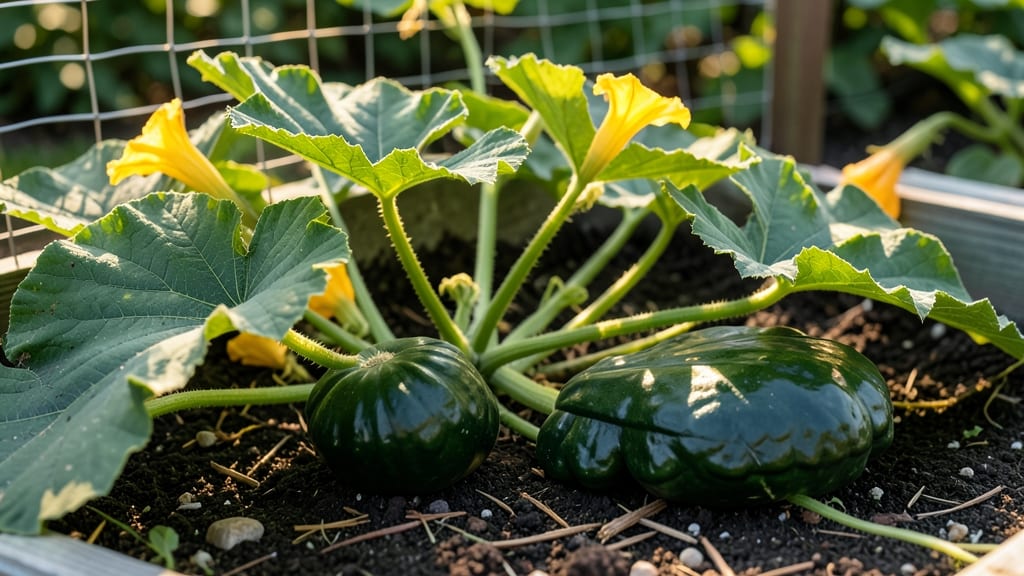
Growing large patty pan squash 🎃 is one of the fastest ways to turn a patch of garden into a summer harvest bonanza.
Picture this: 60 days from seed to plate, with squash the size of dinner plates instead of golf balls. That’s right—this isn’t your grandma’s tiny patty pan. These babies grow bold, flavorful, and ready to stuff, sauté, or spiralize into noodles, all while saving space with their compact vines.
But here’s the catch: they won’t thrive if you ignore their three big needs. Too much shade? They’ll bolt before fruiting. Too little water? The flowers drop like they’re playing hard to get. And forget companion planting? You’ll lose half your crop to squash bugs before you know it.
In this guide, I’ll walk you through every step—from picking the perfect spot in USDA Zone 6a to harvesting those golden saucers at peak flavor. No green thumbs required.
Why large patty pan squash thrives in 60 days
Large patty pan squash isn't just another summer squash—it's a botanical marvel designed for speed and efficiency. This variety packs a nutrient punch with high vitamin C, fiber, and antioxidants while delivering ready-to-harvest fruits in just 60 days.
Its compact, bushy vines make it perfect for small gardens or container growing, saving space compared to sprawling zucchini varieties.
The secret to its rapid growth lies in its genetic adaptations. Large patty pan squash thrives in warm climates and tolerates heat stress better than many summer squash varieties.
Its shallow root system allows it to access moisture quickly, while its determinate growth habit means it focuses energy on producing fruit rather than vining endlessly.
One of the most compelling reasons to grow large patty pan squash is its space-saving design. Unlike traditional squash varieties that sprawl across garden beds, this variety stays contained within 2-3 feet of its planting spot.
This makes it ideal for container gardens, raised beds, or even balcony planters with proper support. I've successfully grown them in 5-gallon buckets using a small trellis, proving their adaptability.
For optimal growth, large patty pan squash demands full sun exposure—at least 6-8 hours daily. While it can tolerate partial shade, reduced sunlight leads to smaller fruits and lower yields.
The ideal soil pH ranges from 6.0 to 7.0, and well-draining soil prevents rot while encouraging strong root development. Amending your soil with compost before planting ensures nutrients are readily available during its rapid growth phase.
This variety's heat tolerance is another standout feature. While most squash struggle when temperatures exceed 85°F, large patty pan squash thrives in the heat. This makes it perfect for late summer plantings or hot climates where other vegetables may wilt.
I've had success growing them in Zone 9 gardens well into September, long after many other summer crops have faded.
The nutritional benefits of large patty pan squash make it a standout in any garden. A single serving provides 20% of your daily vitamin C, 4 grams of fiber, and a host of antioxidants like vitamin A and potassium.
These nutrients support immune function, digestive health, and skin vitality, making your harvest not just delicious but nutritionally valuable too.
When planning your garden layout, remember that large patty pan squash benefits from proper spacing. Plant seeds 1 inch deep and 2-3 feet apart in rows spaced 3-4 feet apart. This spacing allows for good air circulation, reducing the risk of fungal diseases like powdery mildew.
In my 4x8-foot raised bed, I plant four hills with two plants per hill, maximizing space without crowding.
Another advantage is its pest resistance. While not completely immune to squash bugs and cucumber beetles, large patty pan squash's compact growth habit makes it harder for pests to hide.
I've found that interplanting with marigolds or basil deters many common pests naturally. Regular foliar inspections help catch issues early, ensuring your plants stay healthy through their 60-day growth cycle.
For gardeners with limited time, large patty pan squash is a dream come true. Its quick maturation means you can enjoy fresh harvests without the long wait of other varieties.
I've even grown them as interplanting crops between slower-growing vegetables, ensuring a continuous supply of fresh produce throughout the summer season.
Step-by-step planting and care for maximum yield
Growing large patty pan squash starts with smart seed selection and timing. Since these squash thrive in warm soil, I recommend starting seeds indoors 4-6 weeks before your last frost date—or direct sow after soil reaches 60°F+.
For most gardeners in USDA Zone 6a, that means mid-April to early May. The key is balancing early starts with frost risks, as young seedlings won’t tolerate cold snaps.
Your 60-day timeline begins with seed germination, which typically takes 5-10 days in optimal conditions. I’ve found that using biodegradable pots for indoor starts reduces transplant shock later.
Once seedlings have 2-3 true leaves (about 3-4 weeks), they’re ready to harden off and transition outdoors. This gradual acclimation prevents stress and ensures robust growth.
-
1
Start Seeds Indoors (4-6 weeks before last frost)
Use seed-starting mix in biodegradable pots.
Keep soil 70-75°F with grow lights or sunny windowsill.
-
2
Hardening Off (1 week before transplanting)
Move seedlings outside daily for 2-3 hours.
Gradually increase time to full sun exposure.
-
3
Transplant Outdoors (after last frost, soil 60°F+)
Space plants 2-3 feet apart in full sun.
Plant seeds 1 inch deep in well-draining soil.
-
4
Watering Schedule (Every 3-5 days)
Provide 1-2 inches of water weekly.
Water deeply in the morning to prevent fungal diseases.
-
5
Fertilize Mid-Season (Every 4-6 weeks)
Use 10-10-10 balanced fertilizer.
Apply 1 tbsp per plant early in the morning.
-
6
Harvest Ready (55-60 days after planting)
Pick when 3-4 inches wide and flattened.
Use clean pruners to avoid damaging vines.
To maximize your large patty pan squash yield, I recommend using trellising or cage supports—even though they’re bushy, vines can sprawl. A simple wire trellis or tomato cage keeps fruits off the ground, reducing rot and improving airflow. I’ve also had success with companion planting: