
Vegetables
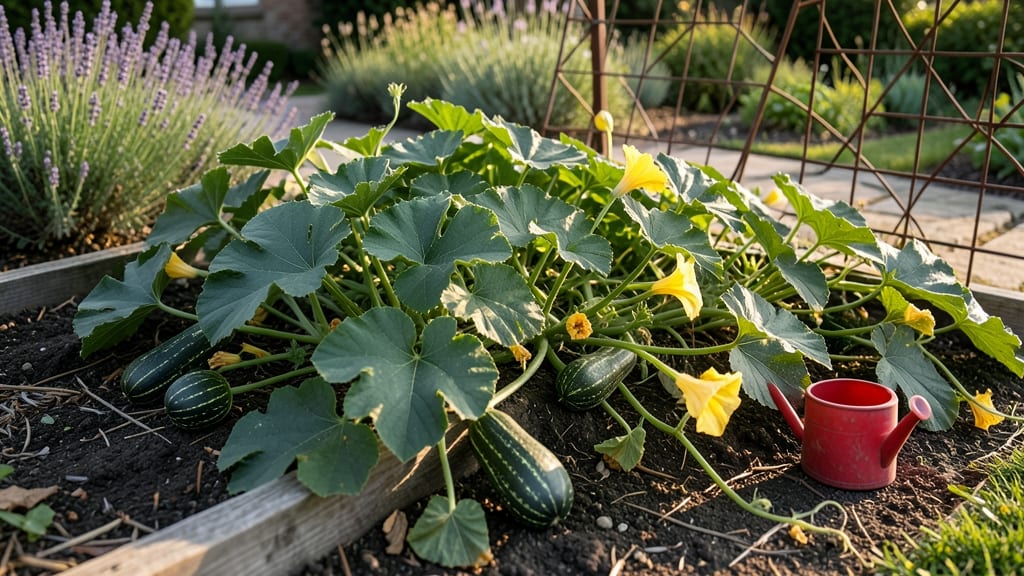
Growing large dark green squash like Hubbard, Turk's Turban, or Delicata means harvesting 20-pound monsters that outshine store-bought zucchini by a mile. 🌿 I learned the hard way that these giants need patience, the right soil, and a little shade tolerance—but once you crack the code, you'll be the one everyone asks for "a slice of your squash pie" (even if you don't bake it).
The secret starts with rich, well-draining soil mixed with compost, because these squash love to stretch their roots deep. Plant in full sun to partial shade (they handle heat better than most), and space them 3-4 feet apart—crowding leads to powdery mildew, the arch-nemesis of big squash.
Water consistently at the base, never overhead, to keep those leaves dry and happy. By midsummer, you'll watch glossy, ribbed beauties grow like jack-o'-lanterns on steroids. Harvest when the stem starts to soften, and store them in a cool, dark place for months—their flavor only deepens with time.
The first year's harvest might be small, but year two? You'll have enough to share (or can, if you're ambitious). These squash thrive in containers or in-ground beds, making them perfect for small spaces or urban gardens.
Just watch for squash vine borers—wrap stems with aluminum foil early to deter them. With the right care, you'll go from "I planted a squash" to "I planted a squash empire."
📚 In This Guide
- What you need
- Instructions
- Tips and common mistakes
- Wrapping up and next steps
What you need
- ● Seeds or Seedlings: Choose Cucurbita maxima varieties like Hubbard, Turban, or Butternut (dark green-skinned types). Start with 3–5 seeds per plant (thin to the strongest seedling).
- ● Quantity: 2–4 plants for a family harvest (they spread widely!).
- ● Soil: Well-draining, fertile loam with a pH of 6.0–7.0. Mix in 2–3 inches of compost or aged manure before planting.
- ● Sunlight: Full sun (6–8 hours/day) is ideal, but these squash tolerate partial shade (4–6 hours)—perfect for under trees or near buildings!
- ● Water: Drip irrigation or soaker hose (avoid wetting leaves to prevent disease). Plan for 1–2 inches of water per week.
- ● Garden Trowel (for transplanting seedlings).
- ● Garden Gloves (to protect hands from prickly vines).
- ● Pruning Shears (to trim excessive vines or dead leaves).
- ● Mulch (Straw or Wood Chips): 2–3 inches to retain moisture and suppress weeds.
- ○ Trellis or Cage (Optional): For bushier varieties like Delicata, use a 5–6 ft tall trellis to save space.
- ● Last Frost Date: Wait until soil temps reach 60°F+ (use a soil thermometer).
- ● Spacing: Plant seeds 2–3 ft apart in rows 5–6 ft apart (vines sprawl!).
- ○ Support Structure (Optional but Helpful): If growing in containers, use a large fabric pot (15+ gallons) with a trellis.
Step-by-Step instructions for growing large dark green squash
Here's how to cultivate these shade-tolerant giants with minimal fuss.
🌱 Step 1: Prepare the Soil and Planting Site
Choose a location that gets at least 4-6 hours of sunlight daily—these squash thrive in partial shade but still need some light to produce large fruits. Work 3-4 inches of compost into the top 6 inches of soil to improve drainage and fertility. I like to add a handful of aged manure or worm castings for extra nutrients.
Dark green squash prefer soil with a pH between 6.0 and 7.0. If your soil is heavy clay, mix in 1 part perlite to 3 parts soil to prevent rot. Test the soil moisture by squeezing a handful—it should hold together but not feel soggy. This ensures roots get the air they need without drowning.
☀️ Step 2: Plant Seeds or Transplants at the Right Time
Start seeds indoors 4-6 weeks before the last frost or sow directly in the garden after soil temperatures reach 60°F. Plant 2-3 seeds per hill, spacing hills 3-4 feet apart to give vines room to sprawl. Press seeds 1 inch deep—they need darkness to germinate properly.
If using transplants, harden them off for 7-10 days before moving outside. Watch for first true leaves to appear, which signals the seedling is ready for transplanting. I always plant in the late afternoon when temperatures are cooler—this reduces transplant shock.
💧 Step 3: Water Deeply and Maintain Consistent Moisture
Water 1-2 inches per week, keeping the soil evenly moist but never waterlogged. Dark green squash are drought-tolerant once established, but young plants need steady moisture to develop strong roots. Water at the base of the plant in the morning to prevent fungal diseases.
Use a drip irrigation system or soaker hose to deliver water slowly. This prevents soil erosion and keeps leaves dry, which is critical for avoiding powdery mildew. You'll know moisture is right when the top 2 inches of soil feel damp to touch but not saturated.
🌿 Step 4: Fertilize and Support Vines for Maximum Growth
Apply a balanced organic fertilizer (5-5-5) when flowers appear, then again when fruits start forming. I use compost tea every 4-6 weeks to keep nutrients flowing without burning the plants. Avoid high-nitrogen fertilizers—they encourage leafy growth at the expense of fruit production.
Train vines along a trellis or sturdy fence to save space and improve air circulation. This also makes harvesting easier and reduces the risk of rot on the ground. Prune any yellow or diseased leaves immediately to keep the plant healthy. You'll see new growth within a week of providing support.
⏰ Step 5: Harvest at Peak Ripeness for Best Flavor
Dark green squash are ready to harvest when they reach 8-12 inches in length and the skin turns a deep, glossy green. Use a sharp knife or pruning shears to cut the stem, leaving 1 inch attached to the vine. This prevents rot and encourages more fruit to develop.
Harvest in the morning when fruits are cool and crisp. Store in a cool, dark place for up to 2 weeks. If left on the vine too long, they'll turn woody and lose flavor. You'll know they're past their prime when the skin toughens and the seeds inside grow large and hard.
Tips & tricks for perfect large dark green squash growth
Real talk: Growing these shade-loving squash is easier than you think—once you know the right moves. Here's how to avoid common pitfalls and maximize your harvest.
Soil Prep is Everything: The 3-4 inches of compost and 6-inch soil depth in Step 1 aren't just numbers—they're about creating the perfect sponge-like environment. I've seen squash plants struggle when soil is too compacted, so take the extra time to loosen it well. If your soil tests below pH 6.0, add a handful of lime to adjust it gradually over a few weeks. The goal is that perfect balance where roots breathe but stay hydrated.
Timing Secret for Transplants: That 7-10 day hardening off period in Step 2 is non-negotiable if you're using transplants. I learned this the hard way after losing several seedlings to shock. Start by placing them outside in a sheltered spot for just an hour the first day, then gradually increase their time outside. By day 7, they should be able to handle full sun exposure for the entire day.
Watering Wisdom: The 1-2 inches per week guideline in Step 3 works perfectly, but there's a trick: water only when the top 2 inches of soil are dry to the touch. This prevents both overwatering and underwatering. I use a rain gauge to track weekly rainfall and adjust my watering accordingly—this has saved me from both soggy soil and wilting plants.
Harvesting Hack: When checking for ripeness in Step 5, run your thumb along the squash's skin. It should feel smooth with just a hint of firmness—like a ripe avocado. If it feels tough or the skin has deep ridges, it's past its prime. I harvest every other day during peak season to keep the plants producing, and I always use sterilized pruners to prevent disease transmission between cuts.
Pro Tips for Large Dark Green Squash
- Real talk: Growing these shade-loving squash is easier than you think—once you know the right moves.
- Soil Prep is Everything: The 3-4 inches of compost and 6-inch soil depth in Step 1 aren't just numbers—they're about creating the perfect sponge-like environment.
- Timing Secret for Transplants: That 7-10 day hardening off period in Step 2 is non-negotiable if you're using transplants.
Frequently asked questions
Got questions about growing large dark green squash? You’re not alone! Here are some of the most common queries—plus quick, practical answers to help you cultivate these shade-tolerant giants with confidence.
How long does it take for large dark green squash to mature?
Most varieties of large dark green squash, like Hubbard or Turk’s Turban, take 90–120 days to reach full maturity from seed. If you’re starting from transplants, expect harvests in 70–90 days. Patience pays off—these squash grow slower but pack a richer flavor!
Can I grow large dark green squash in partial shade?
One of their biggest perks is shade tolerance. While they thrive in 6–8 hours of sunlight, they’ll still produce in 4–6 hours if given partial shade (especially in hot climates). Just avoid deep shade—they need some light to grow those iconic dark green skins.
Where’s the best place to buy seeds for large dark green squash?
Look for heirloom or open-pollinated seeds from trusted sources like:
- Baker Creek Heirloom Seeds (specializes in unique varieties)
- Burpee or Johnny’s Selected Seeds (reliable for beginners)
- Local nurseries (ask about shade-tolerant squash)
Pro tip: Save seeds from your best squash for next year—just let them fully ripen and dry on the vine!
What pests should I watch for with large dark green squash?
Keep an eye out for:
- Squash bugs (flattened, gray pests—handpick or use row covers!)
- Cucumber beetles (stripes! Use neem oil or diatomaceous earth)
- Squash vine borers (watch for wilting—treat with Bt spray early)
Prevention is key: Rotate crops and mulch heavily to deter pests.
How do I know when a large dark green squash is ready to harvest?
Harvest when the skin is fully colored and hard (can’t dent with a fingernail). For Hubbard, wait until the stem dries and falls off naturally. Turk’s Turban should feel heavy for its size. Don’t wait too long—overripe squash turns woody and bitter!
What can I do if my large dark green squash flowers but doesn’t produce?
This usually means pollination issues or environmental stress. Try:
- Hand-pollinate with a paintbrush (transfer pollen between male/female flowers).
- Ensure consistent watering (drought stress kills flowers).
- Check for pests or diseases damaging flowers.
- Plant companion flowers (like marigolds) to attract pollinators.
If all else fails, some varieties (like Turk’s Turban) are self-pollinating—just give them time!
Wrapping up and next steps
Growing large dark green squash like Hubbard or Turban varieties is a rewarding journey—packed with flavor, versatility, and the joy of nurturing a shade-tolerant giant! 🌱 Whether you’re a seasoned gardener or a curious beginner, these squash thrive with patience, the right soil, and a little love.
Now that you’re armed with the materials, FAQs, and pro tips, it’s time to roll up your sleeves and plant those seeds.
Your next step? Mark your calendar for planting (or transplanting) in spring or late summer, and keep an eye out for those vibrant, glossy leaves and eventual hefty harvests. Share your progress with fellow gardeners—you’ll inspire others to grow their own shade-loving giants! 🌿