
Pests and Diseases
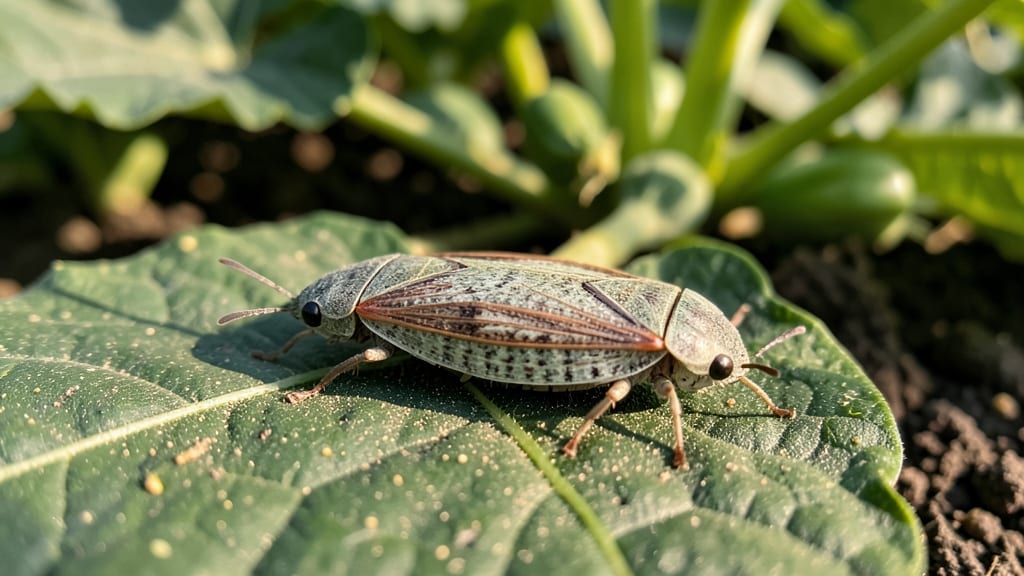
Those juvenile squash bugs are the sneakiest garden pests you’ll ever meet—so tiny and shield-shaped, they’ll decimate your squash plants before you even spot them. 🌱 I’ve lost entire harvests to their relentless feeding, but I’ve also learned how to stop them before they ruin yours—without harsh chemicals.
The key is catching them early, when they’re still small and easy to remove by hand. Juvenile squash bugs start as pale green nymphs that hide under leaves, making them nearly invisible until the damage appears.
Look for chewed edges on leaves, yellow stippling, or wilting vines—those are their calling cards. The sooner you spot them, the easier they are to control with simple organic methods like handpicking, row covers, or beneficial insects.
By the time they mature into the armored adults, they’re nearly impossible to dislodge. But with the right prevention—like neem oil sprays, companion planting with nasturtiums, or even a homemade beer trap—you can keep your squash and cucumbers thriving all season long.
This works for any squash family plant, from zucchini to pumpkins, and even saves your cucumbers from the same fate. Let’s get your garden back under control—naturally.
Root Causes Of Squash Bug Outbreaks
Understanding why squash bugs—especially their juvenile stages—invade your garden is the first step to stopping them naturally. These pests don’t just appear out of nowhere; their presence is often tied to specific environmental and agricultural factors. Let’s break down the key reasons behind their infestations.
Juvenile squash bugs thrive in gardens where plants are weak or struggling. Here’s why:
- Poor Spacing: Squash, pumpkins, and other cucurbits need room to breathe. Overcrowded plants create shaded, humid microclimates—perfect breeding grounds for squash bugs. 🌿🐛 - Nutrient Deficiencies: Plants low in nitrogen, phosphorus, or potassium are more vulnerable.
Weak foliage is easier for bugs to pierce and feed on. - Water Stress: Both drought and overwatering stress plants, making them release volatile organic compounds (VOCs) that attract squash bugs. 💦🌡️ - Disease Pressure: Fungal or bacterial infections (like powdery mildew) weaken plants, making them more appealing to pests.
Actionable Fix: Space plants 3–5 feet apart, mulch to retain moisture, and use balanced organic fertilizers (like compost tea) to boost plant resilience.
Squash bugs love hiding in debris, leaf litter, and undisturbed soil. If your garden looks like a pest’s all-you-can-eat buffet, they’ll stay.
- Unremoved Egg Masses: Female squash bugs lay eggs in clusters on the undersides of leaves. If you don’t scout or remove them early, nymphs (juveniles) hatch in waves. 🥚🔍 - Weedy Borders: Weeds like pigweed or smartweed host squash bugs between cropping seasons.
They act as "reservoirs," ensuring next year’s infestation. - Mulch Piles: Thick mulch or compost heaps provide shelter for overwintering adults and their eggs.
Even "clean" mulch can hide problems. - Untended Garden Edges: Tall grass, leaf litter, or untreated wood piles near squash patches create perfect hiding spots.
Actionable Fix: Conduct weekly inspections for egg masses (especially on leaf undersides), remove weeds, and keep mulch thin (2–3 inches max). Till or solarize soil in fall to disrupt overwintering pests.
Squash bugs target the Cucurbitaceae family (squash, cucumbers, melons, pumpkins). Growing these plants in the same spot year after year is like rolling out the red carpet for pests.
- Soil-Borne Signals: Squash bugs detect chemical cues from previous cucurbit crops, luring them back to the same location. 🧬🌍
- Lack of Biodiversity: Monoculture gardens disrupt natural predator-prey balances. Fewer beneficial insects (like big-eyed bugs or spiders) means fewer squash bug controls.
Actionable Fix: Rotate crops annually—avoid planting cucurbits in the same bed for at least 3 years. Interplant with non-host crops (like beans or herbs) to confuse pests.
Squash bugs are cold-hardy but prefer warm, humid conditions. Their life cycles accelerate when:
- Hot, Dry Springs: Early heat dries out soil, stressing young plants and signaling squash bugs to lay eggs faster. ☀️🔥 - Humid Summers: High moisture levels help nymphs survive and thrive.
Rain also washes away natural predators like ground beetles. - Mild Winters: In regions with freeze-thaw cycles, squash bugs can survive underground, emerging earlier in spring.
Actionable Fix: Use row covers early in the season to deter adults from laying eggs. Encourage rain gardens or drip irrigation to maintain moderate soil moisture (not soggy).
Juvenile squash bugs are vulnerable to predators, but their numbers explode when these helpers are missing. Common predators include:
- Big-eyed bugs (Geocoris spp.): Devour nymphs but struggle in dry conditions.
- Spiders (especially wolf spiders): Need dense plant foliage to hunt effectively.
- Ground beetles: Prefer open, tilled soil—compacted gardens limit their access.
- Parasitic wasps: Lay eggs in squash bug eggs, but pesticides kill them off.
Actionable Fix: Avoid broad-spectrum insecticides (even organic ones like neem oil heavily). Plant trap crops (like radishes) away from main crops to lure bugs away from your squash. Add diverse plantings (clover, alyssum, dill) to attract predator species.
Ironically, many "organic" pesticides can backfire by:
- Killing predators faster than pests (e.g., pyrethrin sprays wipe out spiders and beetles).
- Creating resistant strains—squash bugs develop tolerance to certain oils or soaps over time.
- Disrupting plant defenses—some sprays weaken plants, making them more susceptible.
Actionable Fix: If you must spray, use kaolin clay or insecticidal soap only on confirmed infestations. For best results, target adults (not nymphs) to break the life cycle early.
Beat Back Squash Bugs Naturally
Dealing with tiny but tenacious squash bugs—especially their juvenile stages—can feel like a losing battle if you’re not armed with the right strategies. The good news? With a mix of preventive care, manual removal, and organic treatments, you can keep these pests in check without resorting to harsh chemicals.
Below, we’ll break down practical, step-by-step solutions tailored to the root causes of infestations, plus tips to stop them before they start.
Juvenile squash bugs emerge from tiny, yellowish egg clusters laid on the undersides of leaves. If you catch them early, you can nip the problem in the bud—literally.
How to do it: 🔍 Scout regularly – Check the undersides of leaves (especially on squash, pumpkin, and cucumber plants) every 3–5 days starting in early summer. 🧤 Wear gloves – Squash bug eggs are tiny and sticky; a damp paper towel or soft brush helps collect them. 🗑️ Crush or soak – Drop eggs into soapy water or crush them with your fingers (disgusting but effective!). 🌞 Time it right – Eggs hatch in 7–10 days; if you see fresh clusters, act fast!
💡 Pro Tip: Use a hand lens (magnifying glass) to spot clusters easier—your eyes might miss them at first glance!
Once the nymphs (juvenile squash bugs) emerge, they’re slow-moving but hungry. A daily patrol can reduce their numbers significantly.
How to do it: 👉 Go early – Pests are sluggish in the morning or late afternoon (when it’s cooler). 🌿 Shake plants gently – Place a tray or bucket of soapy water beneath the plant and give it a light shake to dislodge bugs. 🪰 Drop them in soapy water – A mix of 1 tsp dish soap per gallon of water kills them on contact. ⏳ Repeat weekly – Juveniles go through 5 molts; stay consistent to break their life cycle.
⚠️ Warning: Avoid squashing them on the ground—they can regurgitate a foul-smelling fluid that may attract more pests!
If handpicking isn’t enough, organic sprays can provide a knockout punch while being safe for your garden.
Best options: 🍊 Neem oil spray (1–2% concentration) – Disrupts feeding and growth; reapply every 5–7 days. 🌶️ Hot pepper wax spray – Made from cayenne pepper + vegetable oil, this creates a spicy barrier bugs avoid. 🌿 Insecticidal soap – Works well on soft-bodied nymphs; spray directly on bugs (avoid flowering plants to protect bees). 🍃 Kaolin clay – Forms a protective film on leaves, making it harder for bugs to feed (also deters other pests).
💡 Pro Tip: Spray in the evening to avoid harming beneficial insects like ladybugs and lacewings.
Mother Nature has her own pest-control squad—and you can invite them to your garden!
Best allies: 🐞 Ground beetles – Hunt squash bug eggs and nymphs; attract with mulch and diverse plantings. 🐝 Parasitic wasps – Lay eggs inside squash bug eggs; plant dill, fennel, or yarrow to lure them. 🦋 Spined soldier bugs – Devour nymphs; leave some garden debris for them to hide in. 🐸 Toads and frogs – Place shallow water dishes to encourage them to stick around.
🌡️ Pro Tip: Avoid broad-spectrum pesticides—they kill both pests AND predators!
The best defense? Stop squash bugs from moving in in the first place.
Prevention checklist: ✅ Rotate crops – Don’t plant squash, cucumbers, or melons in the same spot year after year. ✅ Use row covers early – Floating row covers (lightweight fabric) block adults from laying eggs. ✅ Trap plants – Plant nasturtiums or marigolds near squash plants to distract bugs away. ✅ Clean up debris – Remove old vines and leaves in fall to eliminate overwintering sites. ✅ Interplant with herbs – Basil, thyme, and oregano repel squash bugs with their strong scents.
✨ Bonus Tip: Mulch with straw—it smothers emerging adults and keeps soil moist, which bugs dislike!
Final Thought: Squash bug nymphs may be tiny and sneaky, but with consistent monitoring, manual removal, and smart organic tools, you can regain control of your garden—naturally. Stay vigilant, and those bugs won’t stand a chance! 🚀
Frequently asked questions about juvenile squash bugs
How do I tell juvenile squash bugs apart from other garden pests?
Juvenile squash bugs are tiny, pale green nymphs with a shield-like shape and two black dots on their backs. They lack the armored appearance of adult squash bugs but are still easy to spot with a magnifying glass. Look for them hiding on leaf undersides or along leaf veins—unlike aphids, they don’t cluster in large groups.
Why do squash bugs seem to target my plants more in hot, dry weather?
Hot, dry conditions stress plants, making them release chemical signals that attract squash bugs. Additionally, dry soil forces nymphs to seek moisture from plant sap, accelerating their feeding. Maintain even moisture with drip irrigation or mulch to reduce their appeal.
Can I use neem oil on squash bug eggs?
Neem oil works best on hatching nymphs and adults, not eggs—it needs to be ingested or contact the bugs directly. For eggs, focus on physical removal (crushing or soapy water) since neem won’t penetrate their protective coating. Apply neem to leaves after eggs hatch for maximum effectiveness.
What’s the best time of day to handpick juvenile squash bugs?
Early morning or late afternoon when temperatures are below 75°F—nymphs slow down and are easier to spot. Place a tray of soapy water beneath plants and gently shake foliage to dislodge them. Avoid midday heat, as bugs hide better in direct sunlight.
Will companion planting really keep squash bugs away?
Yes! Planting nasturtiums, marigolds, or basil near squash acts as a decoy, confusing bugs and masking plant odors. These companions also attract beneficial predators like ladybugs, which prey on squash bug nymphs. For best results, interplant them within 2 feet of your squash.