
Picking
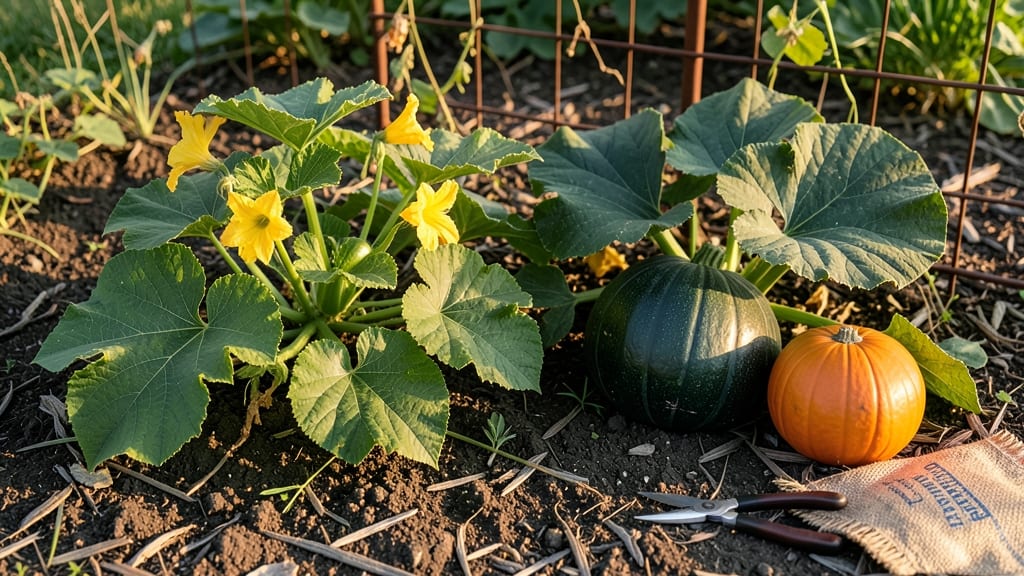
Pumpkin and squash are not the same—they belong to different botanical families, though both are winter squash varieties. Pumpkins are larger, have thicker skin, and are typically used for carving or cooking, while squash includes smaller, sweeter varieties like butternut or acorn for culinary use.
No, pumpkin and squash aren't interchangeable—they belong to distinct categories within the Cucurbita genus. 🌱 Pumpkins (like giant jack-o'-lantern types) come from the Cucurbita pepo family, while many squash varieties (such as butternut or acorn) fall under Cucurbita maxima or Cucurbita moschata.
The key difference lies in their growth patterns: pumpkins grow sprawling vines, while squash often develop bushier plants. Even their seeds tell the story—pumpkin seeds are typically flat and white, while squash seeds vary in color and shape, reflecting their diverse culinary roles.
This botanical distinction directly impacts how we use them in the kitchen.
Pumpkins shine in hearty dishes like soups and pies, where their starchy, dense flesh holds up well, while squash excels in roasting or stuffing applications thanks to its sweeter, more tender texture. 🍽️ For example, a butternut squash's natural sweetness makes it perfect for desserts, whereas a pumpkin's neutral flavor works better as a base for savory recipes.
Understanding these differences helps you choose the right ingredient for your dish.
💡 In This Article
- Botanical Differences Between Pumpkins and Squash
- Culinary Uses of Pumpkins vs. Squash in Cooking
Botanical differences between pumpkins and squash
The scientific classification separates pumpkins and squash primarily through the Cucurbita genus. Pumpkins belong to Cucurbita pepo, which includes varieties like jack-o'-lanterns and pie pumpkins, while squash spans Cucurbita maxima (like Hubbard squash) and Cucurbita moschata (such as butternut). 🌱 The distinction isn't just academic—it affects their genetic traits.
For instance, C. pepo pumpkins have a shorter growing season (75-100 days) compared to C. maxima squash, which can take 100-120 days to mature.
Growth habits reveal even more. Pumpkins spread aggressively via long vines (up to 20 feet), while squash often grow as bushier plants with more compact vines.
This affects how they're cultivated—pumpkins need more space, while squash can thrive in smaller gardens. 🌿 Even their seeds differ: pumpkin seeds are typically flat and white, while squash seeds vary in color (black, green, or striped) and shape, reflecting their diverse genetic lineages.
Another key difference lies in their skin texture. Pumpkins develop a thicker, tougher rind (often 0.5 inches or more) designed to protect their large size, while squash skins are thinner and more tender, making them easier to peel.
This botanical variation explains why pumpkins last longer in storage (up to 3 months at 50-55°F) compared to squash (2-3 months), as their thicker skin acts as a natural barrier against moisture loss.
Even their flowers tell the story. Pumpkin flowers are typically yellow-orange and appear in clusters, while squash flowers vary in color (yellow, white, or green) and often grow singly.
These floral differences contribute to their pollination strategies—pumpkins rely on bees, while some squash varieties can self-pollinate. 🐝 This genetic diversity is why squash comes in so many shapes (round, oblong, ribbed) and colors (green, orange, white), while pumpkins are more uniformly shaped.
One fascinating exception is the "sugar pumpkin," a hybrid that bridges the gap. Though classified as C. pepo, it's bred specifically for culinary use, combining the sweetness of squash with the hardiness of pumpkins.
This shows how human selection can blur botanical lines—but the core differences remain in their genetic makeup and agricultural needs.