
Flowers
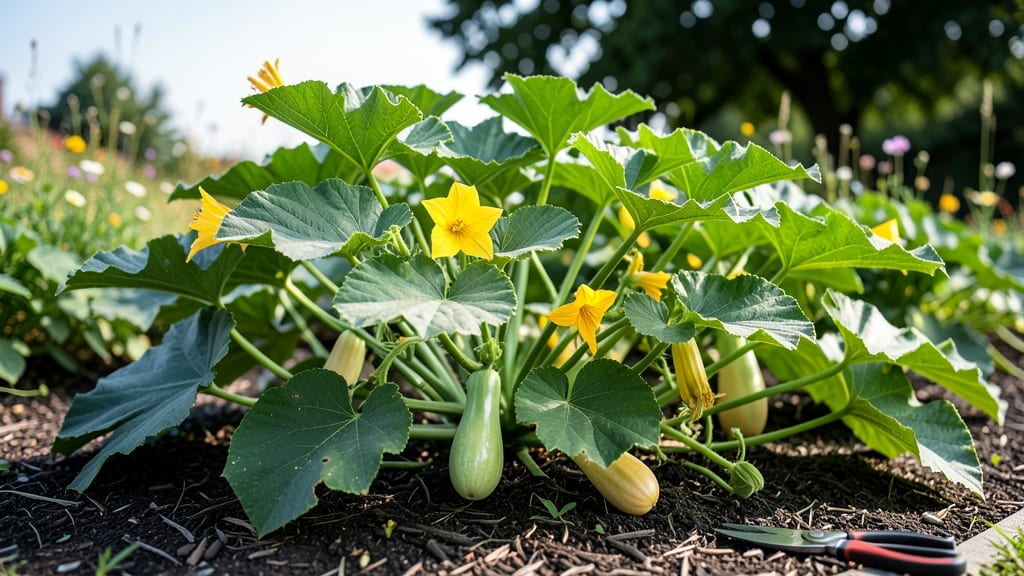
Cooked squash flowers bring a delicate, nutty flavor and satisfying crunch to dishes, making them ideal for stuffing, frying, or adding to salads. For best results, pick young blooms in the morning, trim carefully, and blanch briefly before using them in Mediterranean-inspired recipes.
These edible blooms transform ordinary dishes into gourmet creations with their unique texture and mild flavor. 🌼 Unlike their bitter raw counterparts, properly cooked squash flowers develop a pleasant earthiness that pairs beautifully with herbs like thyme or parsley.
I've found they work especially well when combined with creamy cheeses in stuffed recipes or as a crispy garnish on soups. The key is gentle handling—overcooking turns them mushy, while proper blanching preserves their delicate structure.
For home cooks, the preparation process is simpler than it seems. Start by harvesting blooms on cool mornings when they're freshest, then remove stamens to prevent bitterness. A quick 30-second blanch in boiling water followed by an ice bath locks in their vibrant green color and tender texture.
This method also removes any residual dirt while keeping them crisp enough to hold stuffings or coatings.
Beyond their culinary uses, these flowers offer a visual upgrade to any plate. Their delicate petals create stunning presentations when arranged artfully, making them perfect for special occasions. The flavor profile bridges the gap between vegetables and flowers, offering a sophisticated touch without overpowering other ingredients.
💡 In This Article
- Harvesting and Preparing Squash Flowers for Cooking
- 5 Best Recipes Featuring Cooked Squash Flowers
Harvesting and preparing squash flowers for cooking
Timing matters most when harvesting squash flowers for cooking.
Morning is ideal because the blooms are fully hydrated from overnight dew, making their petals more tender and less prone to wilting during preparation. 🌿 The best candidates are young, fully opened flowers—typically 3-5 days old—with vibrant green petals and no visible signs of wilting.
Avoid harvesting after noon, as the heat of the day can cause the flowers to become bitter and tough. If you're working with multiple blooms, prioritize those from female plants (they have small squash forming at the base) since they tend to have slightly sweeter flavors.
The key to removing stamens is precision—these yellow pollen-bearing structures can add bitterness if left intact. Use a small pair of kitchen scissors or your fingernail to gently pluck them out from the center of each flower.
This step shouldn't take more than 30 seconds per bloom. After removing stamens, give each flower a quick rinse under cool water to remove any lingering dirt or pesticide residue. Pat them dry with a clean kitchen towel or paper towels, being careful not to bruise the delicate petals.
For best results, work with flowers that are completely dry before cooking, as any moisture can prevent seasonings from adhering properly.
Blanching is the secret weapon for preserving squash flowers' signature crisp texture. Bring a pot of water to a rolling boil, then add a pinch of salt and a splash of vinegar (this helps maintain color). Drop the flowers in for exactly 20-30 seconds—any longer and they'll turn mushy.
Immediately transfer them to a bowl of ice water to stop the cooking process. This shock treatment also helps set their vibrant green hue. After draining, pat them dry again with paper towels. The blanching process removes any remaining bitterness while making the petals more pliable for stuffing or coating.
Trimming is where many home cooks make mistakes—overzealous cutting can destroy the delicate structure. Simply trim the stem down to about ½ inch from the base of the petals using sharp scissors. Avoid cutting into the petals themselves, as this can create uneven edges that won't hold stuffings well.
For larger blooms, you can gently fold the petals inward to create a natural "cup" shape before stuffing. The goal is to preserve as much surface area as possible while ensuring the flower maintains its structural integrity during cooking.
This preparation step is what transforms these delicate blooms from raw ingredients into restaurant-quality components.
Temperature control during preparation is equally critical. Never let the flowers sit at room temperature for more than 30 minutes before cooking, as they'll begin to wilt and lose their crispness.
If you're preparing a large batch, work in small groups and keep the rest refrigerated in a single layer on a paper towel-lined tray. The cold helps maintain their firmness while preventing moisture buildup.
When ready to use, bring the flowers back to room temperature for 10 minutes before cooking—this ensures even cooking and prevents steam buildup that could make stuffings fall out during preparation.
What most people don't realize is that properly prepared squash flowers can be stored briefly before cooking. Place them in an airtight container lined with a paper towel, then refrigerate for up to 24 hours. The paper towel absorbs any excess moisture that could compromise texture.
For longer storage, you can blanch and freeze the flowers—simply lay them flat on a tray before transferring to a freezer bag. When ready to use, thaw in the refrigerator overnight and pat dry thoroughly before cooking.
This method preserves their texture remarkably well, making them a convenient ingredient for special occasion dishes.