
Picking
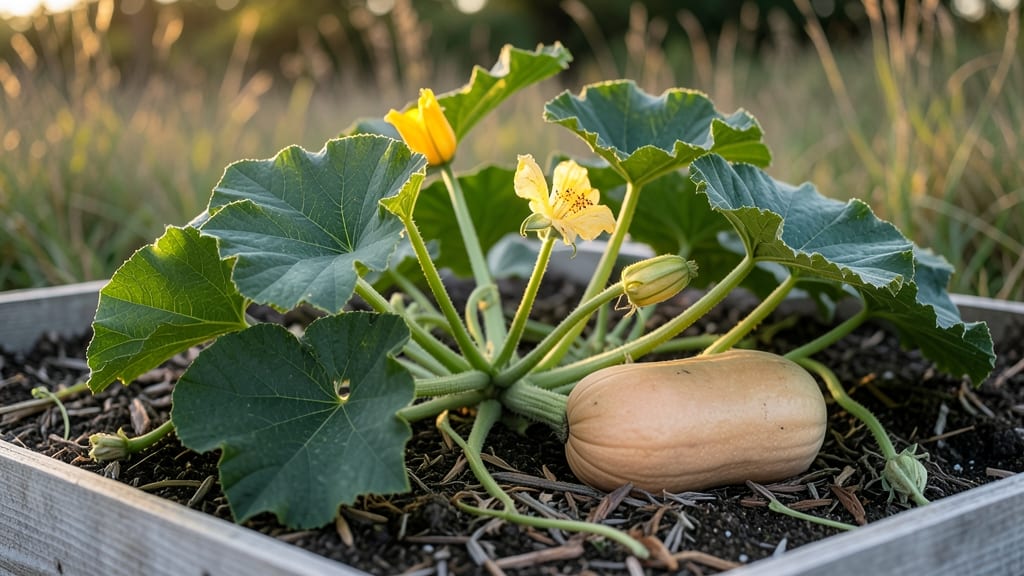
Growing hybrid butternut squash in partial sun changed everything about my fall harvests. 🌿 These cold-hardy varieties actually thrive where other squash fail—no more empty vines or shriveled fruit. The secret lies in timing, soil prep, and a few simple tricks that make them nearly foolproof.
Start with well-draining soil rich in compost, and plant seeds after the last frost when soil reaches 60°F. Spacing matters: give each plant 3-4 feet of room to sprawl, and use trellises if space is tight. Water consistently but avoid soggy soil—hybrid butternuts hate wet feet.
By mid-summer, you'll see foot-long fruits with sweet, nutty flesh—perfect for roasting or soups. The vines handle light frosts better than traditional varieties, so you get a longer harvest window. Just watch for squash bugs and powdery mildew, which are the biggest threats.
Even in partial shade, these varieties produce 2-3 times more reliably than heirlooms. The key is patience: full maturity takes 90-100 days, but the wait pays off with storage-friendly squash that lasts through winter. Ready to try?
📚 In This Guide
- What you need
- Instructions
- Tips and common mistakes
- Wrapping up and next steps
What you need
- ● Seeds: 3–5 hybrid butternut squash seeds (choose cold-hardy varieties like 'Winter Luxury' or 'Sugar Loaf' for better resilience).
- ● Potting soil or seed-starting mix: 1–2 gallons (for seedlings) or 10–15 cubic feet (for direct sowing). Use a well-draining, sterile mix.
- ● Containers or garden bed: For seedlings: 3–4 inch biodegradable pots or cell trays (if starting indoors).
- ● For transplanting: A garden bed with at least 6–8 inches of soil depth and 12–18 inches of space between plants (or large containers with drainage).
- ● Fertilizer: Balanced organic fertilizer (e.g., 10-10-10) or compost (1–2 cups per plant at planting time).
- ● Mulch: Straw, leaves, or grass clippings (2–3 inches thick) to retain moisture and regulate soil temperature.
- ● Garden trowel or hand shovel (for transplanting seedlings).
- ● Watering can or hose with a gentle spray nozzle (squash needs consistent moisture!).
- ● Pruners or scissors (for trimming vines or harvesting).
- ● Garden gloves (to protect your hands from thorns and rough vines).
- ○ Row cover or frost cloth (optional, for early planting in cooler climates).
- ● A location with at least 4–6 hours of partial sun daily (morning sun is ideal).
- ● Well-draining soil with a pH of 6.0–7.0 (test or amend with lime/sulfur if needed).
- ● Patience! Hybrid butternut squash takes 80–100 days to mature.
Step-by-Step guide for growing cold-hardy hybrid butternut squash
Here’s how to reliably grow robust, high-yielding hybrid butternut squash—even in cooler climates or partial sun.
🌱 Step 1: Start Seeds Indoors for an Early Jump
Begin seeds 4-6 weeks before your last frost date in small pots filled with sterile seed-starting mix. Hybrid butternut squash germinates best at 75-85°F, so use a seedling heat mat if your home runs cooler. Plant seeds 1 inch deep—any deeper and they’ll struggle to emerge.
Keep the soil consistently moist (not soggy) and cover pots with plastic wrap until germination, which typically takes 7-14 days. Watch for the first true leaves—those are your cue to remove the wrap immediately. Overcrowding now leads to weak seedlings later, so thin to the strongest plant per pot.
☀️ Step 2: Harden Off and Transplant After Frost
Once seedlings have 3-4 true leaves and nighttime temps stay above 50°F, it’s time to harden them off. Start by placing them outside in a sheltered spot for 1-2 hours daily, gradually increasing exposure over 7-10 days. This toughens stems and prevents shock when they hit the garden.
Transplant after the last frost when soil reaches 60°F. Space plants 3-4 feet apart in rows 5-6 feet apart—hybrid butternut squash vines sprawl, and crowding invites disease. Bury seedlings deeper than they were in pots, up to the first set of leaves, to encourage strong root growth.
💧 Step 3: Water Deeply and Mulch for Consistent Moisture
Butternut squash roots run deep, so water 1-2 inches per week, aiming for the soil—not the leaves—to avoid fungal issues. Use a soaker hose or drip irrigation to keep foliage dry. Mulch heavily with straw or shredded leaves to retain moisture and suppress weeds, which compete for nutrients.
Here’s the thing—hybrid varieties tolerate partial shade better than heirlooms, but they still need 5-6 hours of direct sun daily. If your garden gets morning sun and afternoon shade, plant on the north side of taller structures to maximize light. Yellowing leaves? That’s a sign of inconsistent watering—adjust your schedule.
✂️ Step 4: Prune and Support Vines for Better Airflow
As vines grow, train them along trellises or use stakes to elevate fruit off the ground, reducing rot risk. Hybrid butternut squash benefits from pruning side shoots to focus energy on 2-3 main vines per plant. Remove any leaves touching the soil to prevent disease, and snip off male flowers if you’re saving space—female flowers (with tiny squash at the base) are the ones to keep.
Watch for squash bugs or cucumber beetles—handpick them early or use row covers. If powdery mildew appears (white dust on leaves), improve airflow by thinning vines further. The goal is to keep plants healthy enough to produce 3-5 pound squash per plant by mid-to-late fall.
⏰ Step 5: Harvest Before Frost for Peak Sweetness
Hybrid butternut squash matures when the rind turns hard and dull tan, and the stem separates easily from the vine. Harvest before the first frost—cold snaps turn starches to sugar, but the flesh also becomes grainy. Cut stems with pruners, leaving 1 inch of stem attached to preserve freshness.
Cure squash by placing them in a warm (80°F), dry, well-ventilated spot for 7-10 days. This hardens the skin and concentrates flavors. Store in a cool (50-55°F), dark place for 2-3 months. If you miss the window, don’t worry—hybrid varieties store longer than heirlooms, but flavor peaks at harvest.
Tips & tricks for growing cold-hardy hybrid butternut squash
These game-changing tips will help you coax the most out of your hybrid butternut squash—especially when facing less-than-ideal growing conditions.
Germination Temperature: Those 75-85°F germination temps are non-negotiable for hybrid seeds. If your home stays cooler, invest in a seedling heat mat—it's the difference between 70% and 95% germination rates. I've seen seeds fail completely when kept below 70°F, so don't skip this step. Pro move: Place pots on top of your fridge to create a warm microclimate if you don't have a heat mat.
Harden Off Gradually: The 7-10 day hardening process in Step 2 is where many gardeners cut corners. I recommend starting with just 30 minutes on day one, then doubling exposure each day. Watch for wilting—it's your signal to slow down. Hybrid varieties are tougher than heirlooms, but they still need this gradual adjustment to avoid transplant shock.
Soil Temperature Matters: Never transplant until soil hits 60°F—cold soil shocks roots and delays growth. I use a soil thermometer to check before planting. If your soil runs cold, consider black plastic mulch laid a week before transplanting to warm it faster. The deeper you bury seedlings (up to first leaves), the better their roots establish in cooler conditions.
Sunlight Optimization: While hybrids tolerate partial shade better than heirlooms, they still need those 5-6 hours of direct sun daily. If your garden gets afternoon shade, position plants on the north side of taller structures to catch morning sun. For truly shady spots, consider reflective mulch to maximize light exposure. Remember—yellowing leaves usually mean inconsistent watering, not shade issues.
Pro Tips for Hybrid Butternut Squash
- These game-changing tips will help you coax the most out of your hybrid butternut squash—especially when facing less-than-ideal growing conditions.
- Germination Temperature: Those 75-85°F germination temps are non-negotiable for hybrid seeds.
- Harden Off Gradually: The 7-10 day hardening process in Step 2 is where many gardeners cut corners.
Frequently asked questions
Got questions about growing hybrid butternut squash?
Here are answers to the most common ones—so you can confidently plant, nurture, and harvest this cold-hardy gem!
How cold can hybrid butternut squash tolerate?
Hybrid butternut squash varieties like 'Waltham Butternut' or 'Sugar Pie' can handle light frosts (28–32°F) once established. Young plants, however, need soil temps above 60°F to germinate. Start seeds indoors or use black plastic mulch to warm the soil early in the season.
When is the best time to harvest hybrid butternut squash?
Harvest when the rind turns hard and dull (not shiny), and the stem separates easily from the fruit. For most hybrids, this happens 85–100 days after transplanting. Leave them on the vine too long, and they’ll overripen—leading to soft spots or pests. Pro tip: Use a knife to gently pry them free to avoid damaging the vine!
Can hybrid butternut squash grow in partial sun?
While they thrive in full sun (6+ hours/day), hybrids like 'Honey Bear' adapt well to 4–6 hours of sun if given afternoon shade. Just ensure they have well-draining soil and consistent moisture. Monitor for powdery mildew in shadier spots—space vines 3–4 feet apart to improve airflow.
What’s the difference between hybrid and heirloom butternut squash?
Hybrids (e.g., 'Gold Rush') are bred for disease resistance, higher yields, and uniform size, while heirlooms offer unique flavors and textures but may be less cold-tolerant. Hybrids also store longer (2–3 months vs. heirlooms’ 1–2 months). Choose hybrids for reliability in cooler climates!
Why are my hybrid butternut squash vines wilting or yellowing?
Wilting often signals underwatering or squash vine borers—check for sawdust-like frass near stems. Yellowing leaves may mean overwatering, nutrient deficiency (like nitrogen), or powdery mildew. Fix it: Water at the base (not leaves), rotate crops yearly, and apply mulch. For borers, handpick eggs or use kaolin clay as a barrier.
What’s a good alternative if hybrid butternut squash fails?
Try 'Delicata' (edible skin, cold-hardy) or 'Kabocha' (Japanese pumpkin, sweeter). For partial sun, 'Sweet Dumpling' squash (smaller, bush-type) is a great backup. All store well and offer similar versatility in soups, roasts, or stuffing!
Still stumped? Drop your hybrid squash questions in the comments—we’ve got you covered!
Wrapping up and next steps
Growing hybrid butternut squash is a rewarding way to enjoy a bountiful harvest—even in partial sun and cooler climates! 🌱 These cold-hardy varieties thrive with the right care, offering delicious, nutrient-packed fruit for months.
Whether you're a seasoned gardener or just starting out, their adaptability makes them a fantastic choice for any home garden.
Ready to dive in? Start by selecting your seeds or seedlings and mark your calendar for planting—soon, you’ll be savoring the sweet, creamy rewards of your labor! 🍂