
How To
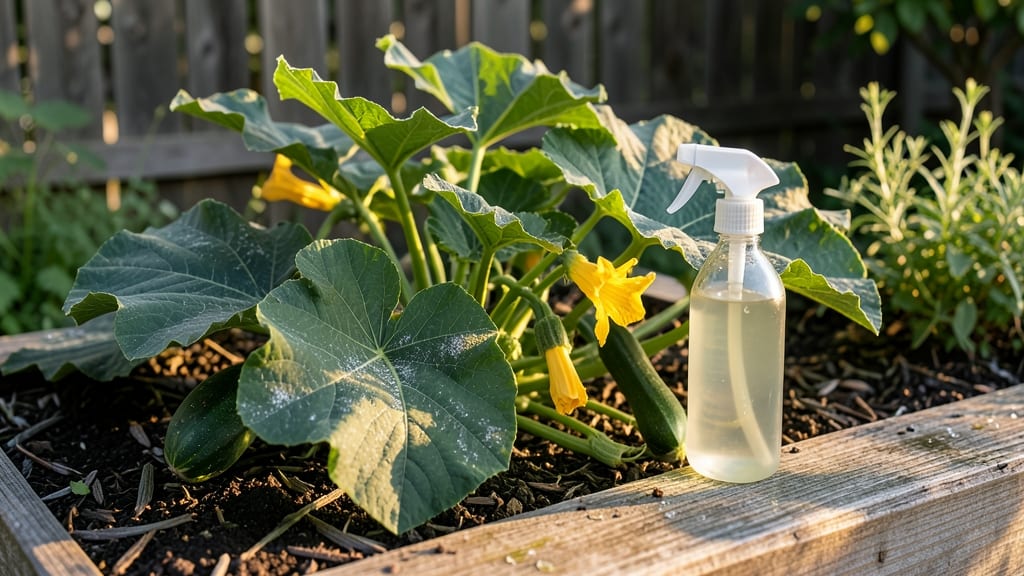
That white dust on your squash leaves isn’t flour—it’s powdery mildew, and how to treat powdery mildew on squash starts with these simple, fungicide-free tricks I’ve perfected over years of summer battles. 🌱 The problem starts with crowded plants and poor airflow, but the real damage happens when those white spots spread faster than you can say “zucchini.”
The good news? You can stop it in its tracks with simple, organic treatments that don’t require toxic sprays. Within 7-10 days of consistent care, you’ll see fresh green leaves pushing through, and your vines will bounce back stronger than ever.
The key is acting fast—before the mildew turns your squash into a sad, stunted mess. This works for all squash varieties, from zucchini to pumpkins, and keeps your garden healthy without harsh chemicals. Let’s get those plants back in fighting shape!
The Hidden Triggers Behind Squash Mildew
Powdery mildew isn’t just a random nuisance—it’s the result of specific conditions that create the perfect storm for fungal growth. Understanding these triggers is key to stopping the problem before it starts. Let’s break down the science behind why your squash plants are getting dusted with this unwelcome white powder.
Powdery mildew thrives in high humidity (70%–90%) combined with poor air circulation. Here’s why: - Fungal Spores Love Damp Air: The pathogen (Podosphaera xanthii, the most common culprit on squash) releases spores that germinate best in moist conditions.
Even morning dew can kickstart an infection if leaves stay wet too long. - Stagnant Air = Fungal Party: Squash plants with dense foliage trap humidity near the leaves, creating a cozy environment for spores to land and multiply.
Without airflow, spores can’t dry out, so they keep spreading. - Watering Mistakes: Overhead irrigation (especially in the evening) soaks leaves, leaving them damp overnight—ideal for fungal growth. Drip irrigation or soaker hoses keep foliage dry, reducing risk.
Actionable Fix: Space plants properly (3–4 feet apart) and prune crowded vines to improve airflow. Water at the base in the morning, so leaves dry by sunset.
Powdery mildew isn’t picky about temperature, but it does have a sweet spot: - Daytime Heat (60°F–85°F): The fungus grows fastest when days are warm but not scorching.
Cooler temps slow it down but don’t stop it entirely. - Nighttime Chill (50°F–60°F): The biggest red flag is a large temperature swing between day and night.
This stress weakens plant defenses, making them more susceptible to infection. - Greenhouse Effect: Plastic tunnels or row covers can trap heat and moisture, accelerating mildew. Even well-ventilated greenhouses can become mildew magnets if humidity isn’t controlled.
Actionable Fix: Use shade cloth (30–50%) during peak summer heat to reduce stress. If growing in containers, move them to a sheltered spot during cool nights.
A healthy squash plant fights off mildew, but stress opens the door for infection: - Nutrient Deficiencies: Lack of phosphorus (P) or potassium (K) weakens cell walls, making leaves easier targets.
A quick soil test can reveal imbalances. - Over-Fertilizing with Nitrogen: Too much nitrogen (N) promotes lush, soft growth that’s prime real estate for fungi. The fungus feeds on these weak tissues. - Physical Damage: Bug bites, hail, or rough handling create entry points for spores.
Even windburn can stress plants enough to invite mildew.
Actionable Fix: Side-dress with compost or a balanced 5-10-10 fertilizer (low N, high P/K) mid-season. Avoid high-nitrogen feeds like fresh manure.
Powdery mildew spreads faster than you think: - Windborne Spores: A single infected leaf can release thousands of spores per day, carried by breezes to nearby plants.
This is why mildew often appears in patches. - Tool and Gardener Transmission: Pruners, gloves, or even your shoes can transfer spores from plant to plant.
The fungus doesn’t need water to spread—just airflow. - Surviving the Off-Season: Spores can hibernate in soil, plant debris, or even on stored seeds. That’s why mildew might return year after year in the same spot.
Actionable Fix: Clean up fallen leaves and vines at season’s end. Disinfect tools with 1 part bleach to 9 parts water between uses. Rotate crops annually to break the spore cycle.
Not all squash are equally at risk: - Highly Susceptible: Butternut, zucchini, and yellow squash are top targets due to their dense foliage and thin leaves. - Moderately Resistant: Hubbard, pumpkins, and some heirloom varieties (like ‘Warty’ or ‘Straightneck’) have thicker leaves that repel spores better. - Genetic Weakness: Many hybrid squash are bred for yield, not disease resistance.
If mildew runs in your family’s garden, consider resistant varieties like ‘Defender’ or ‘Tigress.’
Actionable Fix: Plant resistant varieties or interplant squash with marigolds, garlic, or oregano—their natural compounds deter fungal spores.
Waterlogged roots = stressed plants: - Root Rot Connection: If squash sit in soggy soil, roots struggle to absorb nutrients, weakening the plant’s immune response. - Compacted Soil: Heavy clay or tightly packed dirt restricts root growth, making plants more prone to disease. - Overwatering: Even well-draining soil can become a mildew hotspot if water isn’t managed.
Squash roots need 1–1.5 inches of water per week, but soggy soil is a no-go.
Actionable Fix: Amend soil with compost or perlite to improve drainage. Raise beds or use containers if your soil stays damp for long periods.
Powdery mildew doesn’t just happen—it’s the result of a perfect storm of humidity, stress, and spores. By addressing these root causes, you’re not just treating symptoms; you’re breaking the fungus’s life cycle before it starts.
Next up: how to kick mildew to the curb without chemicals—stay tuned!
Quick Fixes for Powdery Mildew on Squash
Powdery mildew may seem stubborn, but with the right approach, you can restore your squash plants to their vibrant, healthy selves—without harsh chemicals. Below are targeted solutions based on the most common causes, along with prevention tips to keep mildew at bay for good.
Problem: Dense foliage traps moisture, creating the perfect breeding ground for mildew.
Solution:
- ✂️ Prune strategically – Remove lower leaves (especially those touching the soil) to allow air to circulate. Focus on inner leaves where humidity lingers.
- 🌿 Space plants properly – Give squash vines 3–4 feet of space between plants (or rows). If growing in containers, ensure pots are not packed too tightly.
- 💨 Use a fan (optional but effective) – A gentle low-speed fan (like a small oscillating fan) for 1–2 hours daily can dry leaves faster and discourage spores.
💡 Pro Tip: If your garden is already overcrowded, harvest younger squash sooner to reduce leaf mass while keeping production high.
Problem: Wet leaves from overhead watering or poor drainage invite mildew spores.
Solution:
- 🌊 Water at the base only – Use a soaker hose or drip irrigation to deliver water directly to the soil, avoiding leaves entirely.
- 🕒 Water early in the day – If you must hand-water, do it before 10 AM so leaves dry quickly. Avoid evening watering, which keeps foliage damp overnight.
- 🌱 Improve drainage – If your soil stays soggy, amend it with compost or perlite to help water drain faster.
⚠️ Warning: Never water squash plants in the late afternoon or evening—this is a surefire way to worsen mildew.
Problem: Leaving infected leaves on the plant spreads spores to healthy growth.
Solution:
- 🗑️ Bag and toss infected leaves – Pick off white, powdery patches and any yellowing leaves immediately. Do not compost them—this can reinfect your garden.
- 🔥 Sanitize tools – After pruning, wipe your pruners or shears with rubbing alcohol to prevent cross-contamination.
- 🌿 Isolate severely infected plants – If a plant is heavily covered, remove it entirely to stop the spread.
💡 Pro Tip: Check the undersides of leaves—mildew often starts there before spreading to the tops.
Problem: Weak plants with poor nutrition are more susceptible to mildew.
Solution:
- 🌱 Feed with balanced fertilizer – Use a low-nitrogen, high-phosphorus fertilizer (like 5-10-10) to strengthen roots and foliage.
- 🍂 Add compost or worm castings – A 2-inch layer of compost around the base of plants provides slow-release nutrients and improves soil structure.
- 💧 Mulch properly – Apply straw or shredded leaves (not wood chips, which can trap moisture) to retain soil moisture while keeping leaves dry.
✨ Bonus: Silica-rich supplements (like kelp meal) can harden plant cell walls, making them more resistant to fungal attacks.
Problem: You want to avoid fungicides but still need an effective solution.
Solution:
- 🍋 Baking soda spray – Mix 1 tsp baking soda + 1 tbsp vegetable oil + 1 tsp mild soap in 1 gallon of water. Spray every 7–10 days (especially after rain).
- 🌿 Neem oil spray – Combine 1 tbsp neem oil + 1 tsp mild soap in 1 quart of water. Spray early in the morning (avoid direct sunlight for 24 hours).
- 🍎 Copper-based fungicides (organic option) – Bordeaux mixture or copper soap can be used preventatively (follow label instructions).
⚠️ Caution: Always test sprays on a few leaves first to avoid burning tender squash foliage.
Once you’ve treated the mildew, keep it from coming back with these habits:
- 🌿 Rotate crops – Avoid planting squash (or cucurbits) in the same spot yearly—mildew spores linger in the soil.
- 🌞 Choose resistant varieties – Opt for powdery mildew-resistant squash like ‘Defender’ or ‘Waltham Butternut’.
- 🌡️ Monitor humidity – Use a hygrometer to keep garden humidity below 60% (especially in greenhouses).
- 🍂 Clean up debris – Remove all plant debris at season’s end to starve fungal spores of a home.
Final Thought: Powdery mildew is manageable—act fast, improve airflow, and strengthen your plants for a bountiful harvest. With these steps, your squash will be thriving in no time! 🎉
Frequently asked questions
Can I still harvest squash if powdery mildew is present?
Yes, but focus on young, healthy squash while treating the vines. The fungus primarily affects leaves, not fruit, so your harvest shouldn't be compromised. Remove any mildew-covered leaves immediately to redirect the plant's energy to producing more squash.
How often should I apply neem oil or baking soda sprays?
For neem oil, apply every 7–10 days at dawn to avoid leaf burn from sunlight. For baking soda spray, use it every 5–7 days or after heavy rain. Consistency matters more than frequency—stick to the schedule for 2–3 weeks to break the fungal cycle.
Will powdery mildew kill my squash plants?
Not usually, but severe infections can weaken vines enough to reduce yields. The fungus feeds on leaves, not roots, so plants often recover with proper care. Remove heavily infected leaves and improve airflow to prevent spread. Most squash bounce back within 2–3 weeks of treatment.
Can I use milk as a homemade fungicide for squash?
Yes! Mix 1 part milk to 9 parts water with a drop of dish soap and spray on leaves. The casein protein in milk helps prevent fungal spores from germinating. Apply every 7–10 days or after rain. It's a safe, organic alternative to commercial sprays.
Why does mildew keep coming back even after treatment?
Mildew often returns if spores remain in your garden. Clean up all plant debris, rotate crops next season, and improve airflow. Spores can survive in soil for years—disinfect tools and avoid overhead watering to break the cycle completely.