
Orchid Care
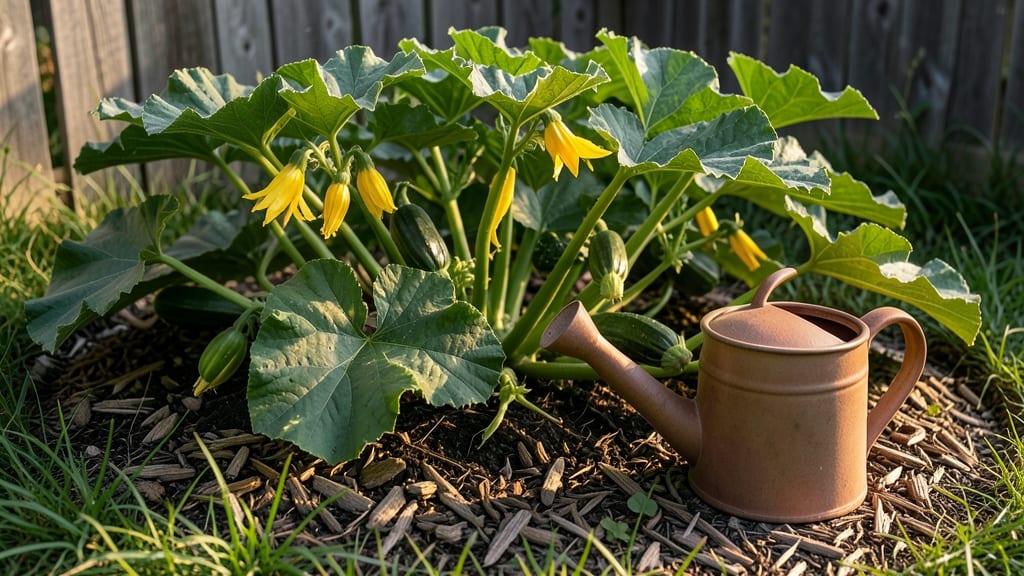
To water squash properly means keeping the soil evenly moist but never soggy — the trick that turns wilted vines into a bountiful harvest.
Watering squash plants wrong can mean the difference between a thriving harvest and wilted vines—or even lost fruit. Mastering the right soil moisture balance is the secret to growing squash 🎃 that’s both productive and pest-resistant.
Most gardeners overcomplicate it, but the core rule is simple: 1-2 inches of water every 2-3 days in spring, then daily during summer’s peak heat. Too little, and your plants struggle; too much, and you invite fungal diseases.
Below, I’ll break down the exact schedule, how to check soil moisture like a pro, and the game-changer mulching tricks that cut water use by half while keeping your squash vines happy.
The perfect watering schedule for squash plants: when and how much
Squash plants thrive on consistent moisture, but getting the balance right can feel like walking a tightrope. Too little water stresses vines, while too much invites fungal diseases and blossom-end rot.
The key lies in understanding your squash’s watering needs at every growth stage—from delicate seedlings to heavy-fruiting vines. I’ll break down the science-backed schedule that keeps your plants happy and productive, no guesswork required.
First, let’s address the biggest myth about squash watering: frequency isn’t one-size-fits-all. Young seedlings need gentle, frequent hydration, while mature plants crave deep, infrequent soakings. Even the time of day you water matters—morning sessions prevent fungal spores from thriving overnight.
Stick with me, and you’ll master the art of watering squash like a pro, ensuring every vine has the perfect moisture cocktail for success.
🎃
For young seedlings, the goal is to keep the soil evenly moist but never soggy. I recommend watering every 1-2 days with just ½ inch of water per session, delivered directly to the soil (not the leaves).
Use a spray bottle or gentle stream to avoid disturbing the delicate roots. Seedlings are especially vulnerable to damping off, a fungal disease that thrives in wet conditions, so let the top inch of soil dry slightly between waterings.
Once your squash plants reach the 3-6 week mark, they’re ready for deeper waterings. At this stage, I increase the frequency to every 2-3 days and aim for 1 inch of water per session, soaking the soil down to 2-3 inches deep.
This encourages stronger root development and prepares the plant for the heavy demands of flowering. Pro tip: Water at the base of the plant to prevent fungal spores from splashing onto leaves.
When your squash enters the flowering and fruiting stages, consistency is critical. Mature plants need 1.5-2 inches of water every 2-3 days, delivered to a depth of 3-4 inches.
This is when many gardeners make the mistake of underwatering, thinking their plants are "fine" because the vines look healthy. But squash fruits are 90% water, and without enough moisture, they’ll develop blossom-end rot or crack open.
I’ve seen this firsthand—always err on the side of slightly more water during these critical growth phases.
Adjusting for heatwaves or drought requires a game-changing approach. During extreme heat, I switch to daily watering in the early morning, aiming for 2-3 inches of water per session. The key is to water deeply and slowly, allowing the moisture to penetrate down to 4+ inches.
This mimics natural rainfall and helps the plant establish deeper roots. If your soil feels dry just an inch below the surface, it’s time to water—don’t wait until the plant wilts.
One of my favorite tricks for monitoring soil moisture is the finger test. Simply stick your index finger 1-2 inches into the soil near the base of the plant. If it feels dry at that depth, it’s time to water.
If it’s still moist, hold off for another day. This method eliminates guesswork and ensures your squash gets just the right amount of hydration. For container-grown squash, check the moisture level daily, as pots dry out much faster than in-ground soil.
Finally, let’s talk about evening watering—a common mistake that can wreak havoc on your squash. Watering at night creates a humid environment that encourages fungal diseases like powdery mildew. Instead, always water in the early morning, giving the foliage plenty of time to dry before evening.
If you must water in the afternoon, do so by 4 PM at the latest and avoid wetting the leaves. This simple habit can save your harvest from devastating plant diseases
Signs of overwatering vs. underwatering squash: what to watch for
Squash plants are surprisingly sensitive to watering mistakes, and the symptoms often look similar to other problems. Yellowing leaves or mushy stems can signal overwatering, while wilted vines or crispy edges mean your plants are thirsty. The key is learning to read your squash's soil and foliage like a pro.
Overwatering is the sneakiest culprit because it mimics nutrient deficiencies or fungal infections. When your squash gets too much water, roots suffocate, cutting off oxygen and nutrients. This leads to blossom-end rot in fruit and powdery mildew on leaves—both classic signs of waterlogged soil.
⚠️ Pros & Cons of Common Watering Mistakes
- Pros: Rare
- Cons: Root rot, fungal diseases, blossom-end rot
- Fix: Let soil dry 1-2 inches deep
- Pros: Prevents root rot
- Cons: Stunted growth, bitter fruit, wilted leaves
- Fix: Water deeply 1-2 inches per week
Underwatering shows up as crispy leaf edges or drooping vines that don't perk up after watering. Your squash might also produce small, bitter fruit because the plant prioritizes survival over growth. The fix? Deep, infrequent watering—aim for 1-2 inches per week, delivered at the soil base, not the foliage.
For blossom-end rot, the classic overwatering symptom, check your soil's calcium levels too. This condition causes dark, sunken spots on the fruit's blossom end. While overwatering triggers it, uneven moisture and low calcium are often to blame. Side-dress with crushed eggshells or use a calcium-rich fertilizer to prevent recurrence.
Fungal diseases like powdery mildew or downy mildew thrive in damp foliage, another overwatering red flag. If you see white powdery spots or yellow patches on leaves, stop overhead watering immediately. Instead, water at the soil base in the morning to let leaves dry quickly.
Create a simple troubleshooting checklist for your squash patch: Check leaf color, stem firmness, and soil moisture weekly. Adjust your watering schedule based on these visual cues, and your squash will reward you with vibrant vines and abundant fruit all season long. 🎃