
Picking
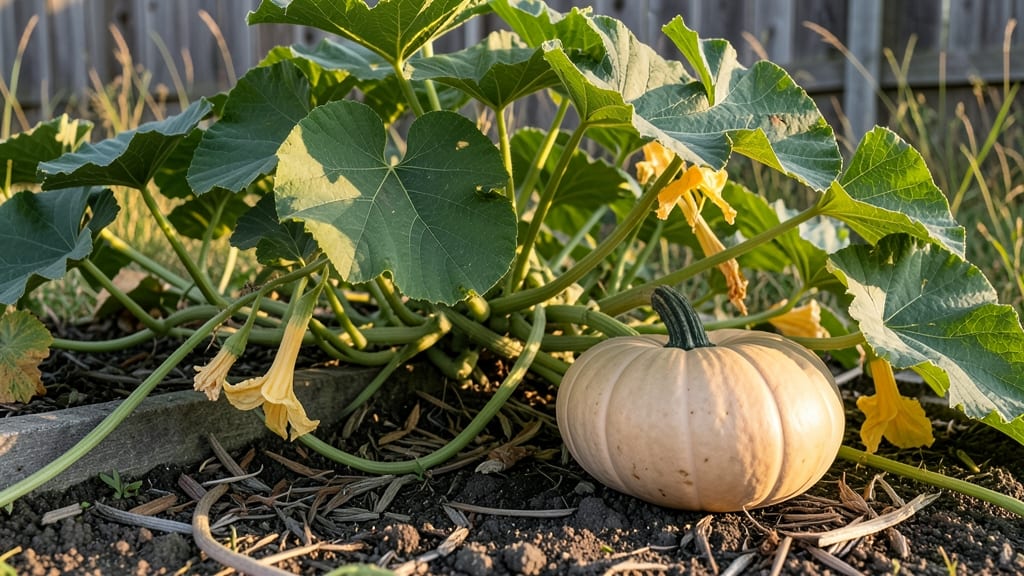
Here’s how to tell if butternut squash is ready to pick—look for that golden tan glow, the first sure sign of peak ripeness. 🌿 I’ve harvested dozens over the years, and the best ones always have that creamy color, not the pale yellow of underripe fruit.
The stem also turns brown and dries out completely, which is your second clue.
Press your thumbnail into the rind—if it doesn’t dent, it’s perfect. Overripe squash gets soft spots or cracks, and the seeds inside start shrinking. I learned this the hard way when my first harvest turned mealy because I waited too long.
Once picked, cure them in a warm, dry spot for 7-10 days to sweeten the flavor. Store in a cool, dark place, and they’ll last 2-3 months. The texture stays firm, and the taste improves with time—just like a well-aged wine.
This method works for both bush and vining varieties, even in cooler climates. Skip the guesswork and enjoy squash that’s sweet, dense, and ready for roasting or baking.
Behind The Ripening Mystery
Butternut squash doesn’t ripen on the vine like a banana or tomato—it matures gradually, and several factors influence when it’s truly ready for harvest. Understanding why these cues appear (or disappear) helps gardeners avoid common mistakes like picking too early or missing the sweet spot.
Here’s the science behind the squash’s readiness signals:
Not all butternut squash varieties mature at the same pace. Some hybrids, like ‘Waltham Butternut’, ripen faster (75–90 days) than heirlooms like ‘Sugar Loaf’ (90–110 days).
This genetic clock is set by the plant’s breeding—longer vines and larger fruits often take more time to develop their signature sweetness and firmness.
Actionable tip: Check seed packets or plant tags for days to maturity and adjust your harvest window accordingly. If you’re growing from seeds, note the planting date and count backward from the expected harvest range.
Butternut squash is a warm-season crop, and its ripening hinges on consistent sunlight (6–8 hours daily) and temperatures between 70–85°F (21–29°C). Here’s how weather plays a role:
- Too little sun: Pale, weak stems and slow skin hardening occur when plants are shaded. The squash may never develop its signature matte orange rind or reach full size.
- Heat stress: Temperatures above 90°F (32°C) can cause blossom-end rot (a mushy, discolored bottom) or stunt growth. Extreme heat also accelerates sugar breakdown, making the squash less sweet when picked.
- Cool nights: A drop below 50°F (10°C) can halt ripening entirely. This is why northern gardeners often harvest slightly earlier than southern growers.
Pro tip: 🌡️ Use a soil thermometer to monitor root-zone temps. If nights dip below 55°F (13°C), prioritize harvesting to avoid frost damage.
Overwatering or inconsistent moisture triggers two common ripening red flags:
| Issue | Cause | Result |
|---|---|---|
| Soft, waterlogged squash | Excessive irrigation or poor drainage | Skin stays thin; flesh becomes mushy and prone to rot. The rind may develop gray mold. |
| Stunted growth | Nitrogen deficiency (too much leafy growth, few fruits) | Squash stays small with thin, leathery skin. Potassium deficiency (brown edges on leaves) can also delay ripening. |
| Cracked skin | Rapid watering after drought | Uneven expansion causes vertical splits, exposing flesh to pests and disease. |
Actionable fix: 💡 Water deeply 1–2 times per week (1–1.5 inches total), focusing on the soil around the plant—not the leaves. Use mulch to retain moisture and avoid sudden swings.
Insects and pathogens don’t just damage squash—they alter its ripening process. Here’s how:
- Squash vine borers: Larvae burrow into stems, cutting off nutrients. The squash may stop growing entirely or develop in a lopsided, deformed shape.
- Powdery mildew: A white fungal coating on leaves blocks sunlight, causing the rind to stay greenish-yellow and the flesh to taste bland.
- Beetles or slugs: Chewed skin and stems prevent the squash from hardening properly, leaving it soft and seedy when picked.
Prevention tip: 🛡️ Monitor plants weekly for holes in leaves or sawdust-like frass (borer droppings). Use row covers early in the season or apply neem oil to deter pests.
By recognizing these underlying causes, you’ll spot why your butternut squash is (or isn’t) ready—and how to correct course before harvest. Next up: How to translate these factors into 3 foolproof picking signs.
Quick Fixes for Perfect Picking Times
Now that you know what can throw off your butternut squash harvest, let’s tackle the solutions—practical, foolproof, and tailored to common challenges. Whether you’re dealing with weather delays, color confusion, or vine stress, these fixes will help you master the art of picking at peak ripeness.
If your squash isn’t maturing fast enough due to cool temperatures or inconsistent sunlight, don’t panic—just adjust your approach.
🔥 Extend the Growing Season
- Use row covers or cloches to trap warmth around plants, especially in early spring or late fall.
These lightweight fabrics (like frost blankets) can raise soil temps by 10–15°F, speeding up ripening. - Choose early-maturing varieties like ‘Waltham Butternut’ or ‘Gold Rush’ if your climate is short on summer. These varieties mature in 85–95 days, giving you a head start.
🌡️ Boost Sun Exposure
- Prune nearby shading plants (like tall corn or sunflowers) to ensure your squash vines get 6+ hours of direct sunlight daily.
- Rotate vines if they’re sprawling into shady spots. Gently reposition them toward the sun once a week to encourage even ripening.
⏰ Adjust Your Planting Timeline
- Start seeds indoors 3–4 weeks before the last frost, then transplant after soil warms to 60°F+.
This gives vines a longer growing window before fall chills set in. - Succeed your crop with a second planting in early summer if your zone allows. Butternut squash thrives in warm weather, so avoid planting too late.
💡 Pro Tip: If frost threatens before squash ripens, harvest early (when still firm) and cure them indoors (see next section). They’ll keep for months in a cool, dark place!
Sometimes, the color and texture clues aren’t clear-cut. Here’s how to avoid picking too early or too late.
👀 Check the Stem First
- Perfectly ripe: The stem should dry out and turn brown, but still cling to the squash. If it snaps off easily, it’s ready!
- Overripe: The stem falls off on its own or rots at the neck.
The squash may also develop soft spots or a musty smell. - Underripe: The stem is green or moist, and the squash feels hard and heavy for its size.
🍂 Test the Skin’s Toughness
- Press your fingernail into the skin near the blossom end (where the stem was).
- Ripe: Skin yields slightly but doesn’t dent deeply.
- Underripe: Skin feels rock-hard—wait a few more days.
- Overripe: Skin is soft or leathery—pick it now before pests or rot set in.
📏 Measure Size (But Not Too Late!)
- Butternut squash should be 8–12 inches long and 4–6 inches in diameter at the widest point.
- Warning: If left on the vine too long, they can grow past edible size (18+ inches) and become woody or seedy.
✨ Pro Tip: Use a small knife to gently pierce the skin near the neck. If the flesh is orange and firm, it’s ready. If it’s pale or mushy, hold off!
Stressed vines produce squash that ripens unevenly or spoils quickly. Keep your plants happy with these fixes.
💧 Water Wisely
- Consistent moisture is key! Butternut squash vines hate drought stress, which causes blossom-end rot or uneven ripening.
- Water deeply 1–2 times per week (more in extreme heat), aiming for 1–1.5 inches of water per week.
Use drip irrigation to keep leaves dry and prevent disease. - Avoid overhead watering in the afternoon—wet foliage invites powdery mildew, a common squash enemy.
🌿 Feed for Strength
- Side-dress with compost or a balanced fertilizer (10-10-10) when vines start flowering. This boosts fruit development.
- Avoid high-nitrogen fertilizers late in the season—they encourage leafy growth over fruit ripening.
🛡️ Protect from Pests & Disease
- Handpick squash bugs (look for flat, brown shield-shaped pests) and drop them in soapy water.
- Use row covers early in the season to block cucumber beetles, which spread bacterial wilt.
- Rotate crops yearly—don’t plant squash in the same spot where cucumbers, melons, or pumpkins grew last year to prevent soil-borne diseases.
🔥 Pro Tip: Mulch heavily with straw or grass clippings to suppress weeds, retain moisture, and keep fruit off damp soil (which causes rot).
Even if you pick at the perfect moment, proper curing ensures your squash stays delicious for months.
- 🌡️ Cure in Warmth (85–100°F for 10 days):
- Place whole squash in a sunny, dry spot (like a garage or porch) for 10 days. This hardens the skin and concentrates sugars.
- No heat source? A well-ventilated closet with a space heater nearby works too.
- 🏠 Store Properly:
- Cool and dark: Move cured squash to a 50–55°F space (like a basement or pantry) for 2–3 months.
- Avoid refrigeration—cold speeds up spoilage. Instead, check for soft spots or mold weekly.
- 🍽️ Know When to Cook:
- Ripe squash will keep for months, but if the skin dents when pressed or develops wrinkles, it’s time to use it!
By mastering these fixes, you’ll never miss the window for picking butternut squash at its peak—sweet, firm, and ready for roasting, soups, or baking. Happy harvesting! 🎉🎃
Frequently asked questions
What if my butternut squash skin is still green when it's full-sized?
Don't harvest yet! The rind should transition to a matte tan-orange color—green patches mean it needs more time on the vine. Even if the squash feels heavy, wait until the skin develops that signature dull sheen. Overripe squash turns golden-yellow, so aim for the tan phase.
Can I pick butternut squash before the first frost?
Yes! If frost is forecasted, harvest when the squash is firm and dry-stemmed, even if not fully colored. Cure them indoors at 85°F for 10 days to complete ripening. This trick works especially well for northern gardeners—just store them in a cool, dark place afterward.
How do I tell the difference between ripe and overripe squash?
Press the skin near the stem: ripe squash yields slightly but doesn't dent deeply. Overripe squash feels soft or leathery and may develop wrinkles or cracks. Also check the stem—if it's rotting at the base or falls off easily, it's past prime. The flesh should be orange and firm, not pale or mushy.
Why does my butternut squash taste bland even when picked at the right time?
Bland flavor often comes from inconsistent sunlight or overwatering. Squash needs 6+ hours of direct sun daily to develop sweetness. Also check your soil—too much nitrogen (from fertilizer) makes leaves grow at the expense of flavor. Try curing them longer (up to 14 days) to concentrate natural sugars.
Can I eat butternut squash that's too big?
Technically yes, but giant squash (over 18 inches) often becomes woody and seedy. The flesh near the center may be stringy or hollow. For best results, harvest when 8-12 inches long—this ensures tender, flavorful eating. If you do get an oversized squash, roast it with spices to mask any tough texture.