
Picking
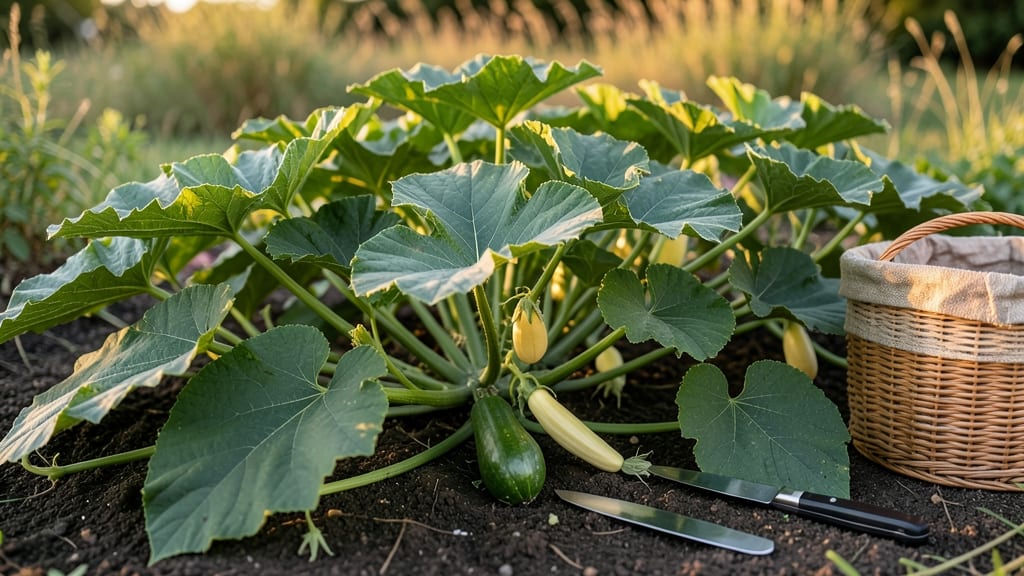
Learn how to store fresh summer squash the right way, and you’ll enjoy crisp zucchini and pattypan for 2 full weeks instead of wilted, mealy messes by week’s end—no more ruined harvests from damp basements or sun-scorched countertops. that keep squash fresh longer than store-bought.
The secret lies in cool, dark, and slightly humid conditions. A perforated plastic bag in the crisper drawer mimics ideal storage, while avoiding direct fridge air prevents moisture loss. Check for soft spots or mold daily—those are the first signs your squash is on its way out.
With the right setup, you’ll enjoy tender, vibrant squash for salads, sautés, or grilling long after the harvest ends. No more rushing to use up squash before it turns rubbery or mushy. This method works for zucchini, yellow squash, and even delicate pattypans.
Just skip the fridge for varieties like crookneck—those need room to breathe. Here’s how to do it right!
📚 In This Guide
- What you need
- Instructions
- Tips and common mistakes
- Wrapping up and next steps
What you need
- ● Summer squash: Fresh, unwashed (1–2 lbs, depending on your needs)
- ● Paper towels: 2–3 sheets (for drying)
- ● Plastic bags: 1–2 breathable produce bags (with tiny holes or a reusable mesh bag)
- ● Refrigerator: With a crisper drawer (or a cool, dark pantry if storing short-term)
- ○ Sharp knife or vegetable peeler (optional): For trimming ends if needed
- ● Vacuum sealer: For ultra-long-term storage (up to 4 weeks)
- ● Wooden or bamboo crates: For air circulation if storing in a pantry
- ● Food-safe wax or beeswax wrap: To seal cut ends if prepping squash for longer storage
- ● Labeling marker: To date your stored squash
Step-by-step guide to storing fresh summer squash
Keep your summer squash crisp and vibrant for up to two weeks with this simple, foolproof method.
Choose the Right Squash
Start by selecting firm, unblemished summer squash—zucchini, yellow squash, or pattypan—with a smooth, glossy skin and a bright, even color. Avoid any with soft spots, bruises, or a dull appearance, as these indicate age or damage. The fresher the squash at the start, the longer it will stay fresh.
Check the stem end for a slight give when pressed gently—this shows it was recently harvested. If the stem feels hard or shriveled, the squash may already be past its prime. I like to wash mine briefly with cool water right before storing to remove any surface dirt, but avoid soaking them.
Dry Thoroughly Before Storage
Pat the squash completely dry with a clean kitchen towel or paper towels. Moisture on the skin speeds up spoilage by creating an ideal environment for mold and bacteria. I often place them on a wire rack for 10-15 minutes to ensure all surfaces are dry, especially in humid conditions.
Pay special attention to the stem end and any crevices where water might pool. Even a small amount of moisture can cause the squash to rot within a few days. If you notice any damp spots after drying, wipe them down again before proceeding.
Store in a Controlled Environment
Place the dried squash in a single layer inside a paper bag or a ventilated container with a lid. Unlike plastic bags, these allow for airflow while still trapping enough humidity to prevent wilting. I prefer paper bags because they’re breathable and reduce the risk of condensation buildup.
Store the bagged squash in a cool, dark place—like a pantry or cellar—where the temperature stays between 50-55°F. Avoid refrigerating whole summer squash, as the cold can turn the flesh mealy and dull the flavor. If your kitchen runs warmer, place the bag in a spot away from heat sources like ovens or stovetops.
Check and Rotate Weekly
After 3-4 days, gently remove the squash from storage to inspect for any softening or mold. Toss any squash that feels mushy or shows signs of spoilage immediately—it can contaminate the rest. I like to rotate the squash so all sides get equal air exposure, which helps maintain even freshness.
If stored properly, your summer squash should stay crisp and fresh for up to 2 weeks. You’ll know it’s still good when the skin remains firm to the touch and the stem end feels slightly resilient. If the skin starts to wrinkle or the squash feels heavy for its size, it’s time to use it up.
Use or Preserve Before It Spoils
If your squash begins to soften before two weeks, don’t let it go to waste. Use it in recipes that call for cooked squash, like soups, stir-fries, or grilled dishes. For longer storage, you can slice and freeze the squash (blanched for 2-3 minutes first) or pickle it to preserve its flavor.
Real talk: I’ve learned the hard way that overcrowding squash in storage speeds up spoilage. Give each squash its own space—this keeps them fresher longer and makes it easy to spot any that need using up first. With this method, you’ll always have fresh summer squash on hand for cooking or snacking.
Tips & tricks for storing fresh summer squash
Keeping summer squash fresh longer is all about the details—small steps that make a big difference in texture and flavor. Here's what I've learned from years of testing to get the most out of your harvest.
Selection Matters: When you pick up summer squash at the store or farmers' market, look for ones that feel heavy for their size. This indicates they're fully hydrated and will last longer in storage. I also avoid squash with any bruising or soft spots—these are early signs of spoilage that will spread quickly. The stem end should have a slight give when pressed gently; if it feels rock-hard or shriveled, that squash won't keep well.
Drying is Non-Negotiable: The 10-15 minutes you spend drying your squash on a wire rack after washing makes all the difference. I've seen squash rot in just a few days when stored with any remaining moisture. Pay special attention to the stem end and any crevices where water might pool—these are prime spots for mold growth. If you're in a humid climate, consider using a fan on low to speed up the drying process while keeping the squash elevated.
Storage Environment is Key: That 50-55°F temperature range in your pantry or cellar isn't just arbitrary—it's the sweet spot for summer squash storage. If your kitchen runs warmer, place the storage container in the coolest spot you can find, ideally away from appliances that generate heat. I've found that placing a small bowl of dry rice in the storage container helps absorb any excess moisture that might develop, keeping the squash crisp longer.
Rotation Prevents Spoilage: The 3-4 day check-in point is crucial for catching any early signs of spoilage before they affect the whole batch. When you rotate your squash, you're not just ensuring even air exposure—you're also creating a system where you can easily spot which ones need to be used first. I like to use a small whiteboard to mark the date I stored each squash, which helps me keep track of their freshness.
Pro Tips for Store Fresh Summer Squash
- Keeping summer squash fresh longer is all about the details—small steps that make a big difference in texture and flavor.
- Selection Matters: When you pick up summer squash at the store or farmers' market, look for ones that feel heavy for their size.
- Drying is Non-Negotiable: The 10-15 minutes you spend drying your squash on a wire rack after washing makes all the difference.
Frequently asked questions
Got questions about keeping your summer squash fresh and delicious?
You’re not alone! Here are answers to the most common concerns—so you can enjoy crisp, flavorful squash without waste.
How long can I really store summer squash in the fridge?
Unwashed, whole summer squash (like zucchini or yellow squash) stays fresh for 1–2 weeks in the fridge. If you’ve already cut or cooked it, store it in an airtight container with a paper towel to absorb moisture—it’ll last 3–5 days.
Why does my summer squash get soft or mushy so fast?
Moisture is the enemy! If your squash is squishy, it’s likely from high humidity or improper storage. Always store it in the crispier drawer (or a paper-lined container) and avoid washing until ready to use. Pro tip: Don’t stack squash—it bruises easily!
Can I store summer squash at room temperature?
Yes, but only for 1–2 days max! Keep it in a cool, dry place (like a pantry) away from direct sunlight. Once it starts to wilt or feel spongy, move it to the fridge immediately. Warning: Room temp speeds up spoilage, especially in warm kitchens.
What’s the best way to store pre-cut summer squash?
Slice or dice your squash, then pat it dry with a paper towel to remove excess moisture. Store in a single layer on a plate lined with paper towels, then cover loosely with plastic wrap. For longer storage, freeze it—blanch first for best texture!
Can I freeze summer squash for later use?
Blanching (dipping in boiling water for 2–3 minutes, then ice bath)
preserves color and texture. Freeze in single layers on a tray before transferring to bags or containers. Thaw in the fridge overnight—no need to reheat raw for salads or stir-fries!
Wrapping up and next steps
Storing summer squash properly is all about keeping it cool, dry, and well-ventilated—whether you’re prepping it for short-term fridge storage or long-term freezing. With these simple steps, you’ll enjoy its crisp texture and vibrant flavor for weeks to come, reducing waste and saving money.
Now that you’re armed with the know-how, why not put it to the test? Grab a squash from your garden or grocery haul and try one of the storage methods today—then share your success (or ask questions!) in the comments below. Happy squashing! 🌱😊