
Vegetables
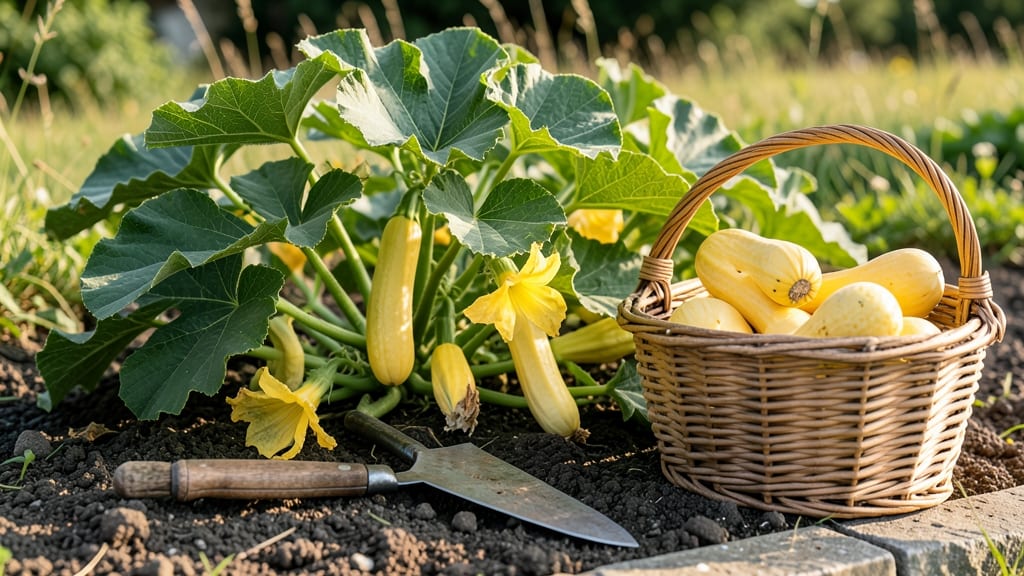
Yellow squash thrives in conditions that mimic its natural growth environment—think of a cool, dry basement or pantry rather than a cramped fridge. 🌿 The key is balancing airflow and humidity: too much moisture causes rot, while poor ventilation speeds up spoilage.
I’ve found that storing them in a perforated paper bag or a breathable mesh bag works wonders, especially when placed near an apple or tomato (their ethylene gas helps ripen others faster if you want them ready sooner).
If you need to extend storage beyond two weeks, consider freezing or pickling—both methods preserve flavor while halting the natural breakdown process. Just be sure to blanch whole squash for 3 minutes before freezing to maintain crispness.
For pickling, the acidity acts as a natural preservative, letting you enjoy that summer taste year-round.
💡 In This Article
- Optimal Conditions for Extending Yellow Squash Shelf Life
- Step-by-Step Guide to Storing Yellow Squash at Home
Optimal conditions for extending yellow squash shelf life
Yellow squash, like its cousin zucchini, is highly perishable because its cell walls contain high levels of water—about 90% of its weight—and delicate pectin compounds that break down over time. The ideal storage temperature range of 50-55°F slows enzymatic activity that causes softening and spoilage.
At these cooler temps, cellular respiration (the process that converts sugars into energy) drops by 50%, dramatically extending freshness. 🌿 Think of it like putting produce in a hibernation state—just enough activity to keep it alive without accelerating decay.
Humidity plays a critical role too: too much moisture triggers fungal growth (the fuzzy white spots you hate), while too little causes wilting. The perfect balance is 85-90% humidity, achieved by wrapping squash in a single layer of paper towels or storing them in a perforated plastic bag.
This mimics the natural microclimate of a vegetable garden, where airflow prevents condensation. For comparison, a standard refrigerator runs at 35-40°F and 90-95% humidity, which is too cold and damp for unripe squash—it accelerates chilling injury, turning crisp flesh mushy within days.
The ethylene gas released by nearby fruits (like apples or bananas) speeds up ripening, which is great if you want squash to soften faster for cooking. However, this same gas accelerates spoilage when stored long-term.
Place squash away from ethylene producers or use a breathable storage bag to control exposure. 💫 What most people miss is that squash should never touch other produce—even gentle contact can bruise the skin, creating entry points for bacteria.
A single bruise can reduce shelf life by 30% due to localized tissue breakdown.
Light exposure is another silent shelf-life killer. Yellow squash contains chlorophyll that converts to carotenoids (the pigments that give it color) when exposed to light, but prolonged light also increases respiration rates.
Store squash in a dark or dimly lit space, like a pantry or basement corner, to preserve nutrients and texture. The skin’s waxy cuticle acts as a natural barrier, but once damaged (by washing or rough handling), the squash loses its protective layer and spoils faster.
For those who love data: squash stored at 50°F with proper airflow lasts 10-14 days, while refrigerated squash (below 45°F) may only last 5-7 days due to accelerated enzymatic degradation.
The sweet spot is a cool, dark, well-ventilated space—like a root cellar or a pantry with a small fan running nearby. This setup mimics the natural growing conditions of squash plants, which thrive in warm days and cool nights. 🌱
Pro tip: If your squash starts to soften at the stem end, it’s a sign of overripening. Cut off the stem (which contains high concentrations of ethylene) and store the squash separately to slow further deterioration.
This simple step can add 2-3 extra days** of usable life. The goal is to preserve the squash’s firm, crisp texture—just like when you first picked it from the vine.