
Planting
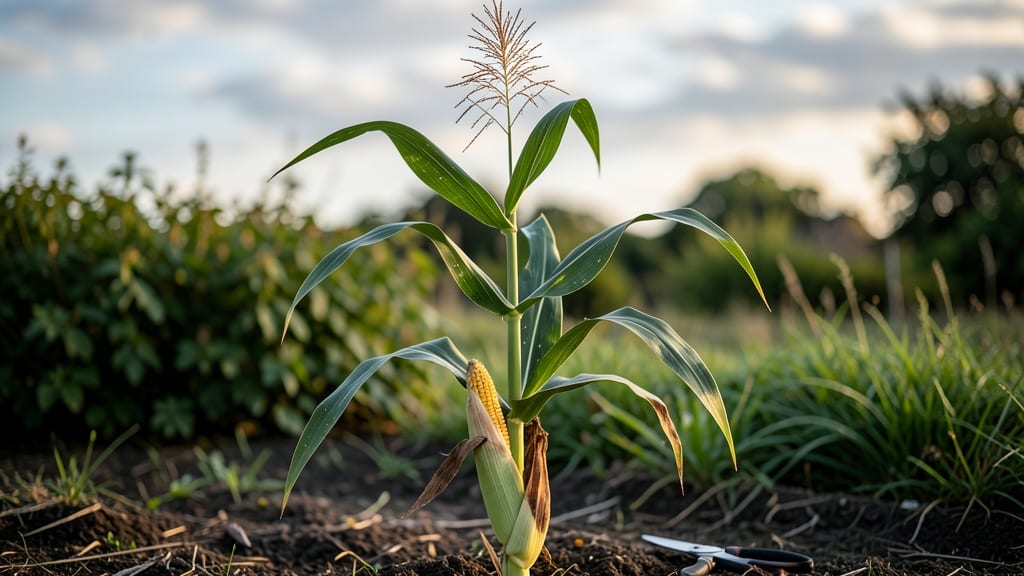
Planting corn, beans, and squash together isn't just gardening—it's a centuries-old tradition that feeds the soil and the soul. 🌽 The Three Sisters method creates a self-sustaining ecosystem where each plant supports the others: corn stalks climb, beans fix nitrogen, and squash leaves shade out weeds.
My first attempt last summer produced the most vibrant corn I'd ever grown, and the beans thrived without a single fertilizer boost.
Timing is everything—start with corn in early spring when soil reaches 60°F, followed by beans when corn is knee-high, and squash after beans sprout. Choose varieties suited to your climate: flint corn for structure, pole beans for climbing, and bushy squash like summer crookneck.
A single 3x3-foot bed can yield enough for a family, proving this method works beautifully in small spaces too.
By midsummer, you'll watch the magic unfold: corn stalks towering over trailing squash vines, beans climbing up the corn like natural trellises. The soil stays loose, weeds vanish, and pests stay away.
It's not just a garden—it's a living lesson in balance, one that connects you to Indigenous wisdom passed down for generations.
Fair warning: squash leaves can get leggy, and beans might need occasional pruning to keep them climbing straight. But the payoff—vibrant harvests with minimal effort—makes it worth every extra minute. Once you try it, you'll never plant these crops separately again.
📚 In This Guide
- What you need
- Instructions
- Tips and common mistakes
- Wrapping up and next steps
What you need
- ● Seeds: 1 package corn seeds (heirloom varieties like Flint, Dent, or Sweet Corn—6–8 seeds per hill, ~3–4 hills per bed). 1 package pole beans (e.g., Scarlet Runner or Kentucky Wonder—2–3 seeds per hill, ~12–15 hills per bed). 1 package squash seeds (e.g., Butternut, Acorn, or Winter Squash—2–3 seeds per mound, ~2–3 mounds per bed).
- ● Soil: Well-draining, nutrient-rich soil (amend with compost or aged manure if needed).
- ● Watering: Hose or watering can with a gentle spray nozzle.
- ● Garden tools: Hand trowel or small shovel.
- ● Garden fork (for loosening soil).
- ● Measuring tape or ruler (for spacing).
- ○ Optional but helpful: Straw or mulch (to retain moisture and suppress weeds).
- ● Trellis or stakes (for beans, if not using pole varieties).
- ● Organic fertilizer (e.g., fish emulsion or worm castings).
- ● A sunny spot with 6+ hours of direct sunlight daily.
- ● Space for a 3’ x 3’ bed per Three Sisters trio (or larger for multiple plants).
- ● Patience! Corn takes 90–120 days to mature.
Step-by-step instructions for planting the Three Sisters garden
This ancient companion planting method creates a thriving ecosystem where each plant supports the others.
🌱 Step 1: Prepare the Planting Bed and Soil
Choose a sunny, well-draining location with at least 6 hours of direct sunlight daily. The Three Sisters work best in mounded beds—create a 3-foot wide, 12-inch high ridge of soil using a shovel or garden fork. This prevents waterlogging and gives squash vines room to sprawl.
Enrich the soil by mixing in 2-3 inches of compost and a handful of wood ash (for potassium) into the top 6 inches of soil. The mound should be 4 feet long for each set of sisters, allowing space for all three plants to grow together. Avoid tilling—this preserves beneficial soil organisms that help the plants thrive.
☀️ Step 2: Plant Corn as the Structural Foundation
Start by planting 4-5 corn seeds in a tight cluster at the center of the mound. Space the seeds 1 inch deep and 1 inch apart within the cluster. Corn acts as the trellis for beans and provides shade for squash. Choose heirloom varieties like Black Aztec or Hopi Blue Flint for best results.
Water the seeds gently to settle the soil around them. Keep the mound evenly moist (not soggy) until germination, which typically occurs in 7-14 days depending on your climate. Once the corn reaches 6 inches tall, thin to the strongest 3 plants in the cluster—this ensures they have enough nutrients to support the beans and squash.
🌿 Step 3: Interplant Beans Along the Corn Stalks
After the corn reaches 12 inches tall, plant pole beans (like Turtle Shell or Scarlet Runner) around the base of the cornstalks. Place 3-4 bean seeds near each corn plant, 1 inch deep and 2 inches from the corn stalk. Beans fix nitrogen in the soil, feeding the corn and squash as they grow.
Watch for the beans to sprout in 7-10 days. As they climb, gently weave their vines around the cornstalks. This creates a natural trellis while maximizing vertical space. If beans lag behind, water at the base rather than overhead—this encourages deeper root growth and stronger vines.
🪴 Step 4: Add Squash at the Base of the Mound
Plant 2-3 squash seeds (like Summer Crookneck or Buttercup) at the outer edges of the mound, 1 inch deep and 12 inches from the corn-bean cluster. Squash spreads wide, shading the soil to prevent weeds and retain moisture. Its large leaves also protect the mound from heavy rain.
Water deeply after planting to encourage root establishment. Squash vines will sprawl outward, so leave 2 feet of space between each mound if planting multiple sets. The squash’s broad leaves create a living mulch, reducing evaporation and keeping the soil cool—a perfect microclimate for the other two sisters.
💧 Step 5: Maintain the Garden Through the Growing Season
Water the mound deeply 2-3 times per week, aiming for 1 inch of water per week. The squash’s large leaves help conserve moisture, but corn and beans still need consistent hydration. Water at the base to avoid fungal diseases like powdery mildew, which thrives in damp foliage.
As the plants grow, watch for pests like squash bugs or corn earworms. Handpick eggs or larvae when possible, and use neem oil as a last resort. The Three Sisters’ natural harmony reduces pest pressure—beans deter some insects, while squash’s broad leaves create a barrier. Harvest corn when silks turn brown, beans when pods are firm, and squash when rinds harden slightly.
Tips & tricks for planting the Three Sisters garden
These simple yet powerful strategies will help you create a thriving Three Sisters garden that honors tradition while adapting to modern gardening challenges.
Location and Sunlight: The 6 hours of direct sunlight requirement is non-negotiable—these plants thrive where they get full sun. If your garden only gets partial sun, consider planting in the sunniest spot available and supplementing with reflective surfaces like white gravel or a light-colored tarp to maximize light exposure. I've seen dramatic differences in yield when plants receive even an extra hour of sunlight.
Soil Preparation Secret: When creating your mound, aim for a slightly looser texture in the top 6 inches—this improves root penetration for all three plants. I like to mix in a handful of worm castings alongside the compost for extra microbial activity. The wood ash addition is crucial too, but use it sparingly—too much can raise soil pH too high. A teaspoon per mound is plenty for most gardeners.
Planting Timing Strategy: For optimal synchronization, plant your corn seeds first, then beans when corn reaches 12 inches, and squash last. Here's the thing: the beans need corn stalks to climb, and squash needs corn to provide shade. I've found that planting beans 1-2 weeks after corn (rather than waiting for 12 inches) can actually work in cooler climates—just be prepared to provide temporary support if beans outpace corn growth.
Watering Wisdom: The 2-3 times per week watering schedule works best when you water deeply each time. I recommend using a moisture meter to check soil depth—aim for dampness down to 4 inches. The squash's large leaves help conserve moisture, but don't rely on them completely. Morning watering prevents fungal issues, and mulching with straw after planting helps maintain even moisture levels throughout the growing season.
Pro Tips for Plant Three Sisters Corn Beans Squash
- These simple yet powerful strategies will help you create a thriving Three Sisters garden that honors tradition while adapting to modern gardening challenges.
- Location and Sunlight: The 6 hours of direct sunlight requirement is non-negotiable—these plants thrive where they get full sun.
- Soil Preparation Secret: When creating your mound, aim for a slightly looser texture in the top 6 inches—this improves root penetration for all three plants.
Frequently asked questions
Got questions about growing the Three Sisters? You’re not alone!
Here are answers to the most common ones to help you plant with confidence and ease.
Can I grow the Three Sisters in containers or small spaces?
While they thrive in traditional mounds, you can adapt this method to containers or raised beds. Use a 5-gallon bucket or larger for corn (like 'Little and Tender' varieties), pair it with bush beans, and nestle a compact squash (like 'Early Prolific Straightneck') nearby. Ensure containers are at least 12 inches deep and provide support for climbing plants.
How long does it take for the Three Sisters to mature?
Timing varies by variety, but here’s a general guide:
- Corn: 60–120 days (harvest when silks turn brown and kernels dent easily).
- Beans: 50–70 days (pick when pods are firm and snap easily).
- Squash: 45–60 days (harvest when skin is hard and color deepens).
What should I do if pests or diseases attack my Three Sisters garden?
Prevention is key! Here’s a quick troubleshooting guide:
Pest/Disease
Solution
Corn earworms
Handpick eggs (white specks on silks) or use bt spray. Plant marigolds nearby.
Powdery mildew (squash)
Improve airflow, water at the base, and spray with neem oil or baking soda mix.
Bean beetles
Use row covers early in the season or introduce ladybugs.
Can I substitute any of the Three Sisters with other plants?
Yes! The core idea is companion planting—here are some swaps that work well:
- Instead of corn: Try sunflowers (they provide shade and attract pollinators) or pole beans (if you want to skip corn entirely).
- Instead of beans: Peas or clover (both fix nitrogen).
- Instead of squash: Zucchini, pumpkins, or melons (choose vining types for ground cover).
Is the Three Sisters method sustainable for small-scale or urban gardens?
This method is perfect for sustainability because:
- No-till: Preserves soil health by avoiding disruption.
- Water-efficient: Squash shades soil, reducing evaporation.
- Zero waste: All parts of the plants are edible or compostable.
- Space-saving: Ideal for backyards, balconies, or community gardens.
Wrapping up and next steps
Planting the Three Sisters—corn, beans, and squash—is more than just gardening; it’s a celebration of balance, tradition, and sustainability. 🌱 By following this ancient method, you’re not only growing nutrient-rich crops but also honoring Indigenous wisdom and creating a thriving, self-sustaining garden.
Whether you’re a seasoned gardener or just starting out, this method is rewarding, resilient, and deeply fulfilling.
Ready to take the next step? Start small—even a single bed can make a difference—and watch as your garden becomes a vibrant ecosystem. Share your progress, experiment with varieties, and pass on the knowledge to others. Happy planting! 🌿