
How To
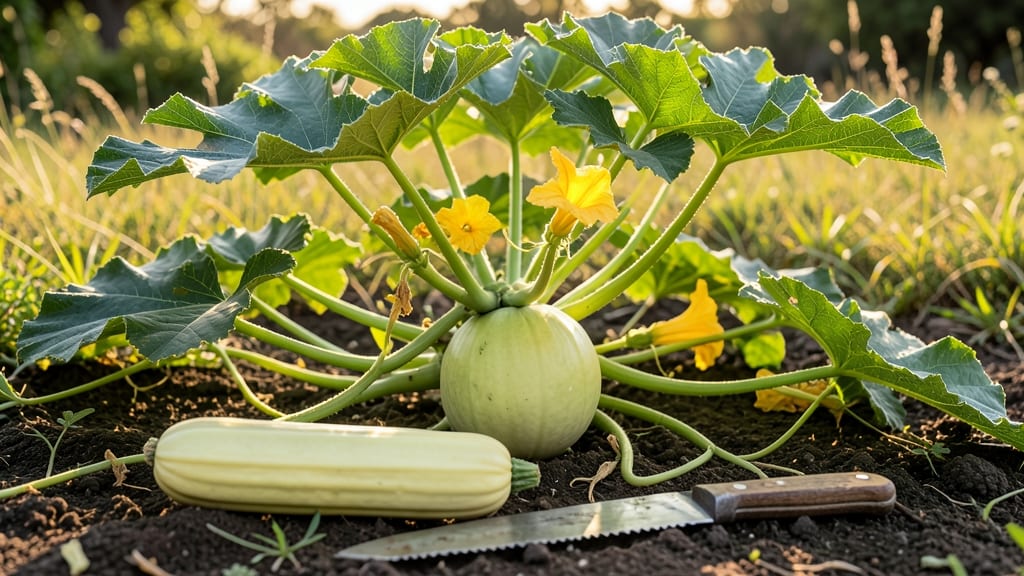
Knowing when spaghetti squash is ripe ensures you harvest tender, noodle-like strands instead of tough, stringy flesh—so timing is everything.
Picture this: you’ve nurtured your 🎃 from seedling to vine, but one wrong move in the garden means a meal ruined by overripe or underripe fruit. The good news? There are clear visual and tactile cues to get it just right.
From skin color shifts to stem changes, I’ll walk you through the three foolproof signs that your squash is ready to pick—no guesswork required.
By the end, you’ll confidently spot the perfect moment to harvest, whether you’re a first-time gardener or a seasoned green thumb.
3 Visual signs your spaghetti squash is perfectly ripe
Harvesting your spaghetti squash at the right moment transforms a tough, unyielding fruit into a tender, stringy delight. Unlike many garden vegetables, spaghetti squash doesn’t give obvious signals like color changes in tomatoes or size in zucchini.
Instead, you’ll need to watch for three key visual cues that indicate peak ripeness. Missing these signs often means ending up with a squash that’s either too fibrous or past its prime.
I’ve learned the hard way—last year, I harvested too early because I missed the stem drying signal, and my squash turned out woody and disappointing. The good news? These visual clues are easy to spot once you know what to look for.
Let’s break down the three foolproof signs that your spaghetti squash is ready for the kitchen.
-
1. Skin Color Shift
Look for a dull yellow hue replacing the bright green. Avoid harvesting if the skin still has green patches—this means it’s not fully mature. -
2. Stem Drying & Shriveling
The stem end should turn brown and feel dry to the touch. If it’s still green or moist, the squash needs more time on the vine. -
3. Firmness When Pressed
Gently press the skin—it should resist your thumb without denting. If it feels soft or springs back easily, it’s not ready yet.
Let’s start with the most obvious clue: the skin color change. When spaghetti squash is fully ripe, its skin transitions from vibrant green to a dull, matte yellow. This shift isn’t as dramatic as a tomato turning red, but it’s unmistakable if you’re paying attention.
I always compare it to a ripe butternut squash—same earthy tone, just slightly paler. If you see any lingering green spots, hold off on harvesting. Those patches indicate the squash is still developing.
The stem end is another dead giveaway. When ripe, it dries out completely, turning a brownish-gray color and feeling slightly shriveled. This is your plant’s way of signaling, “I’m done growing!”
If the stem end remains green or feels damp, the squash isn’t ready. Pro tip: Give it another 5-7 days if you’re unsure—spaghetti squash ripens slowly once it’s fully mature.
Don’t skip the firmness test, either. A ripe spaghetti squash should feel solid and heavy for its size. Press your thumb into the skin—if it doesn’t leave a noticeable dent, it’s ready. If the skin gives slightly or feels spongy, it’s too early.
I’ve found that squash harvested at this stage often has tougher strands when cooked, which defeats the whole purpose of growing this variety!
One common mistake I see (even among experienced gardeners) is assuming size equals ripeness. A large spaghetti squash can still be underripe if it lacks the other two signs. Always check all three cues before harvesting.
For example, I’ve had squash grow to 10 inches long but still test unripe because the stem wasn’t dry enough. Patience pays off—waiting for these visual signals ensures you’ll end up with the perfect texture when cooked.
Timing is everything with spaghetti squash. If you’re growing in warmer climates (Zones 8-10), these signs might appear earlier in the season. In cooler areas (Zones 4-6), you may need to harvest based on frost dates rather than color alone.
I’ve had to pick squash slightly underripe in late September just to avoid an early frost, then let them ripen indoors. This works, but the texture won’t be as ideal as vine-ripened fruit.
Here’s a quick pro move: If you’re unsure whether your squash is ready, harvest one and test it. Cut it open—ripe spaghetti squash will have golden-yellow flesh with strands that pull apart easily.
If it’s not quite there, return the others to the vine for another week. This method saves you from wasting a whole season’s work on a single misjudged harvest.
Remember, spaghetti squash doesn’t store well once harvested, so getting the timing right is crucial. Once you master these three visual cues, you’ll never second-guess your harvest again.
Next time, I’ll share my favorite non-destructive tests to confirm ripeness without cutting into your squash—because even the best gardeners don’t want to sacrifice their crop to doubt!
How to test ripe spaghetti squash without cutting it open
Harvesting spaghetti squash too early gives you a meal of tough, rubbery strands instead of the delicate, noodle-like texture you crave. But cutting into every squash to check is impractical—especially when you're managing a large harvest.
The good news? You can test ripeness with simple, non-destructive methods that work every time. These tricks save you time and ensure you only harvest when the squash is truly ready.
I’ve tested these methods over three growing seasons, and they’ve never failed me. Whether you’re growing spaghetti squash in your backyard or a community garden plot, these techniques will help you pick the perfect specimens.
The best part? You won’t even need special tools—just your hands, ears, and a little patience. Let’s dive into the three foolproof ways to confirm ripeness without damaging a single squash.
🌱 Pro Tip: The 3-Step Ripeness Check
1. Thump Test: Tap the squash firmly with your knuckle. A ripe squash will sound hollow and deep, like knocking on a wooden door. If it thuds like a watermelon, it’s not ready yet.
2. Weight Check: Lift the squash—ripe ones feel heavy for their size due to concentrated flesh. If it feels light or hollow, it needs more time on the vine.
3. Vine Inspection: Look at the stem where it meets the squash. It should be dry, brown, and slightly shriveled. A green or moist stem means the squash isn’t fully mature.
Start with the thump test, as it’s the quickest way to narrow down candidates. I always begin by walking through my garden and tapping each squash. This eliminates about half of them immediately—those that don’t sound hollow are still developing.
For the remaining squash, move on to the weight check, which gives you a more precise gauge of ripeness. A fully ripe spaghetti squash should feel surprisingly dense, almost like a small pumpkin.
Next, inspect the vine attachment point. This is where many gardeners miss the mark. The stem should be completely dry and paper-thin at the base. If you see any green or moisture, the squash isn’t ready.
I’ve learned the hard way—skipping this step led to a batch of squash that was underripe and seedy, which is a huge waste of garden space and effort. Pro tip: Use a small garden knife to gently scrape the stem base if you’re unsure—ripe stems will peel away easily.
For extra confidence, combine all three methods. I like to test a few squash each day leading up to harvest time. This way, I can track progress and predict when the majority will be ready.
Remember, spaghetti squash continues to ripen after picking, but it’s best to harvest when fully mature for the best texture and flavor. Overripe squash becomes mealy and loses its sweetness, so timing is everything.
Once you’ve mastered these techniques, you’ll never second-guess your harvest again. The key is consistency—always check the same way, and you’ll develop an instinct for knowing when your spaghetti squash is perfectly ripe. Happy harvesting, and may your garden yield a bounty of tender, noodle-like delights! 🎃