
Size
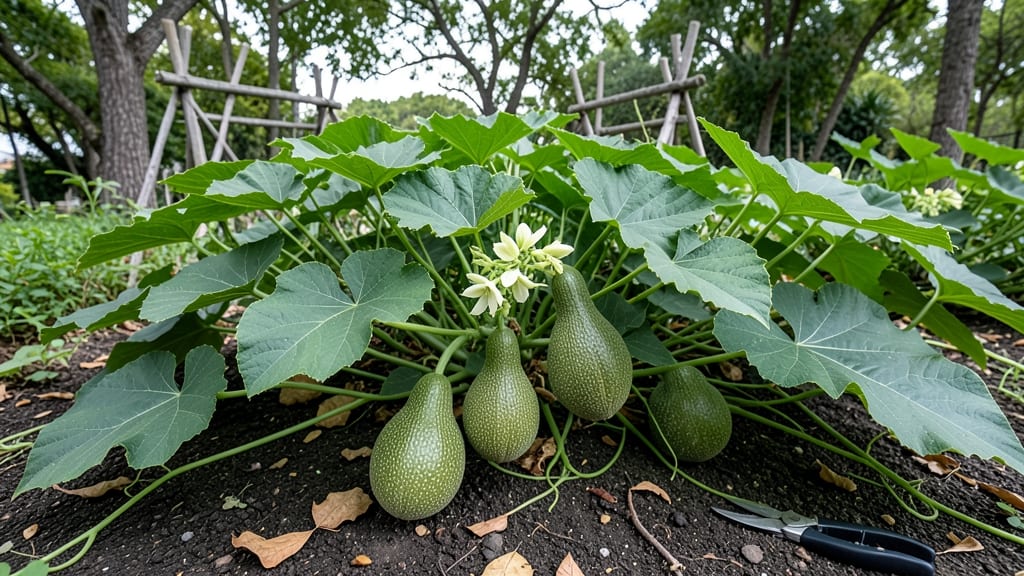
Growing chayote squash is like unlocking a tropical treasure chest—year-round harvests from a single plant, and it thrives in containers where most vines would fail. 🌿 I first tried it after seeing how my neighbor’s chayote vine produced fruit even in winter, and now I grow it in 5-gallon pots on my balcony.
The key? Starting with tubers (not seeds) and giving it the right mix of warmth and humidity. This vine isn’t picky—it grows in USDA zones 9-11 but can be overwintered indoors in cooler climates. You’ll need a sunny spot (6+ hours of light daily) and well-draining soil mixed with compost.
Water when the top inch feels dry, but avoid soggy roots. Prune leggy vines to encourage bushier growth, and watch for those heart-shaped fruits forming in just 3-4 months. By mid-summer, you’ll be harvesting crisp, mild-tasting chayotes—great raw, cooked, or pickled.
The plant keeps producing for years, and each tuber can grow 10+ fruits per season. Even in small spaces, this vine delivers big rewards with minimal fuss. Here’s the secret: patience pays off. First harvests might be small, but once established, your chayote will outperform most container plants.
Perfect for urban gardeners or anyone craving a tropical crop without the tropical climate!
📚 In This Guide
- What you need
- Instructions
- Tips and common mistakes
- Wrapping up and next steps
What you need
- ● Chayote seeds or tubers: 1–2 organic, disease-free chayote tubers or seeds (start with tubers for faster growth).
- ● Pro tip: Look for tubers with visible sprouts or small roots!
- ● Containers or garden space: For containers: 5-gallon buckets or fabric grow bags (minimum 12" deep, with drainage holes).
- ● For in-ground: Well-draining soil in a sunny spot (6+ hours of light daily).
- ● Potting mix: 1 bag high-quality, well-draining potting mix (avoid garden soil—it compacts easily!).
- ○ Optional boost: Mix in perlite or coco coir (20%) for aeration.
- ● Fertilizer: Balanced organic fertilizer (e.g., 5-5-5 or compost tea) for planting.
- ● Slow-release granular fertilizer (e.g., 10-10-10) for ongoing growth.
- ● Watering supplies: Watering can with a rose attachment (for gentle, deep watering).
- ○ Drip irrigation kit (optional but helpful for container setups).
- ● Support structures: Trellis, bamboo stakes, or cattle panels (chayote is a vigorous climber—give it space!).
- ● Pruning shears: Small, sharp shears for trimming vines and harvesting.
- ● Mulch: Straw or shredded leaves to retain moisture and suppress weeds.
- ● pH test kit: Ensure soil pH is 6.0–7.0 (chayote prefers slightly acidic to neutral).
- ● Compost: Add a handful to planting holes for extra nutrients.
- ● Shade cloth: For hot climates (chayote tolerates partial shade).
- ● Harvest basket: A breathable bag to store freshly picked chayote!
Step-by-step instructions for growing chayote squash plants
Here's how to cultivate this tropical vine indoors or in containers for a steady harvest.
🌱 Step 1: Select and Prepare Your Chayote Planting Material
Chayote grows from seed or vegetative cuttings, but I always start with whole chayote fruits from the grocery store—they contain the seed inside. Choose a firm, unblemished fruit and cut it in half lengthwise. Inside, you'll find a single large seed surrounded by white pith. Remove the seed carefully, being mindful not to damage it.
Here's the thing—chayote seeds don't germinate well when dry. Soak the seed in warm water for 24 hours before planting. This softens the tough outer coating and kickstarts germination. After soaking, plant the seed ½ inch deep in moist potting mix. The seed's size means you only need one per container, so don't waste space with extras.
🪴 Step 2: Set Up Containers and Growing Conditions
Chayote thrives in 5-6 gallon containers with excellent drainage—these plants grow vigorous roots. Fill your container with a well-draining mix of 50% potting soil and 50% perlite or coconut coir. The roots need oxygen, so avoid heavy garden soil. Add a 2-3 inch layer of gravel at the bottom to prevent root rot from waterlogging.
Position your container where it will receive bright, indirect light for at least 6 hours daily. A south-facing window works, but supplement with a grow light if natural light is insufficient. Chayote prefers 70-85°F temperatures—keep it away from drafts or cold windows. You'll know the conditions are right when the seedling emerges within 2-4 weeks of planting.
💧 Step 3: Water and Fertilize for Healthy Growth
Water the soil when the top inch feels dry to the touch, but avoid soggy conditions—chayote roots rot easily. Use room-temperature water to prevent shocking the plant. Once the seedling reaches 6 inches tall, begin fertilizing with a balanced liquid fertilizer (10-10-10) diluted to half strength. Feed every 4-6 weeks during the growing season to encourage lush vine development.
Chayote is a fast grower, so expect 8-12 inch vines within a month. At this stage, provide a trellis or sturdy support—these plants climb aggressively. If growing outdoors in warm climates, you can let them sprawl, but containers benefit from vertical support to save space. Watch for heart-shaped leaves emerging along the vine—that's your cue the plant is thriving.
✂️ Step 4: Prune and Harvest for Continuous Yield
Chayote produces male and female flowers—only the female flowers develop into fruit. To encourage fruit production, prune back any weak or leggy growth when the plant reaches 3 feet tall. This redirects energy toward flowering. You'll spot female flowers by their small, bulbous base (male flowers have slender stems).
Harvest chayote fruits when they reach 4-6 inches long and feel firm to the touch. Use a sharp knife to cut the fruit from the vine, leaving a ½ inch stem attached. Regular harvesting stimulates more production—expect 2-4 fruits per vine in ideal conditions. Store harvested chayotes in a cool, dark place for up to 2 weeks, or replant the seeds for future crops.
☀️ Step 5: Overwinter and Extend the Growing Season
Chayote is tender and won't survive frost, but with care, you can keep it growing year-round. In cooler months, move the container indoors near a sunny window or under grow lights. Reduce watering slightly since growth slows, but maintain 60-70°F temperatures. If the plant becomes dormant, trim back vines and resume care in spring.
Real talk: Chayote can become invasive if not controlled. If growing outdoors, contain it with a strong trellis or fence. In containers, prune aggressively in late fall to keep the plant manageable. With proper care, your chayote plant will reward you with continuous harvests for years—just like the ones I've grown in my own greenhouse for over a decade.
Tips & tricks for perfect chayote squash plant cultivation
Between us, growing chayote isn't rocket science—but these little details make all the difference between a struggling vine and a thriving harvest.
Seed Preparation Secret: That 24-hour soak isn't just about hydration—it's about breaking dormancy. I've found that adding a pinch of honey or cinnamon to the soaking water can further stimulate germination. The natural sugars act like a mild fungicide while kickstarting microbial activity around the seed. Just don't overdo it—stick to the ½ inch depth when planting, as deeper planting can delay emergence.
Container Setup Strategy: The 5-6 gallon size is non-negotiable for mature plants, but I start seedlings in 3-inch pots before transplanting. This gives roots a head start without overwhelming the seedling. For the 50/50 soil mix, I actually use 60% soil and 40% perlite—just enough extra soil to help stabilize the plant during its early growth phase. The 2-3 inch gravel layer should be coarse gravel, not pebbles—this creates better drainage channels while preventing compaction.
Lighting Insight: Those 6 hours of bright indirect light are crucial, but here's what nobody tells you—chayote actually benefits from direct morning sun for 2-3 hours daily. Position your container near an east-facing window if possible, then move it back from direct afternoon sun to prevent leaf scorch. If using grow lights, maintain them 6-8 inches above the plant and run them for 12-14 hours during winter months to compensate for shorter daylight.
Pruning Precision: When you reach the 3 feet tall pruning stage, focus on removing only the weakest growth—never more than 20% of the plant at once. I use sharp, sterilized pruning shears to make clean cuts just above a leaf node. For container plants, I actually weave the main vine through the trellis in a figure-8 pattern—this creates more surface area for fruit production while keeping the plant contained. The ½ inch stem you leave when harvesting? That's your visual cue for where to make the next cut when the plant regrows.
Pro Tips for Grow Chayote Squash Plant
- Between us, growing chayote isn't rocket science—but these little details make all the difference between a struggling vine and a thriving harvest.
- Seed Preparation Secret: That 24-hour soak isn't just about hydration—it's about breaking dormancy.
- Container Setup Strategy: The 5-6 gallon size is non-negotiable for mature plants, but I start seedlings in 3-inch pots before transplanting.
Frequently asked questions
Got questions about growing chayote squash?
You’re not alone! Here are answers to the most common queries—from beginners to seasoned gardeners—to help you cultivate this versatile vine with confidence.
Can chayote squash grow in containers?
Chayote thrives in containers as long as you provide a minimum 5-gallon pot (bigger is better for vining). Use well-draining soil, support the vines with a trellis or cage, and ensure the container has drainage holes. Just keep it in a warm, sunny spot—chayote loves heat!
How long does it take for chayote to produce fruit?
Patience is key! From planting seeds or slips, expect 6–12 months before harvest, depending on variety and growing conditions. Some fast-growing types (like ‘Mexican’ chayote) may yield in as little as 4–5 months, while others take longer. Consistent warmth and humidity speed up the process.
What pests or diseases should I watch for?
Chayote is generally pest-resistant, but keep an eye out for aphids, spider mites, or squash bugs. For diseases, powdery mildew can appear in humid conditions—improve airflow and avoid overhead watering. Use neem oil or insecticidal soap if needed, and remove affected leaves promptly.
Can I grow chayote indoors year-round?
Yes, but with caveats! Chayote needs 6–8 hours of sunlight daily, so place it near a south-facing window or use grow lights. Maintain temperatures between 70–85°F (21–29°C) and high humidity (60%+). A grow tent with supplemental lighting works well for indoor success.
What can I do if my chayote plant isn’t flowering?
Lack of flowers? Check these fixes:
- Light: Ensure it gets bright, direct sunlight (6+ hours/day).
- Heat: Chayote needs warmth—keep temps above 60°F (15°C).
- Fertilizer: Use a balanced, low-nitrogen fertilizer (like 5-5-5) to encourage blooms.
- Pollination: Hand-pollinate flowers with a small brush if bees are scarce.
Wrapping up and next steps
Growing chayote squash is a rewarding journey that brings fresh, nutritious harvests to your table with minimal fuss—especially when you embrace container gardening! 🌱 With the right soil, sunlight, and care, you’ll enjoy a bountiful yield year-round.
Whether you’re a beginner or a seasoned gardener, the key is patience and consistency.
Now that you’re armed with the know-how, take the first step today—plant your chayote seeds or slips and watch your garden transform! Share your progress with fellow gardeners or experiment with recipes using your homegrown harvest. Happy growing! 🌿