
Vegetables
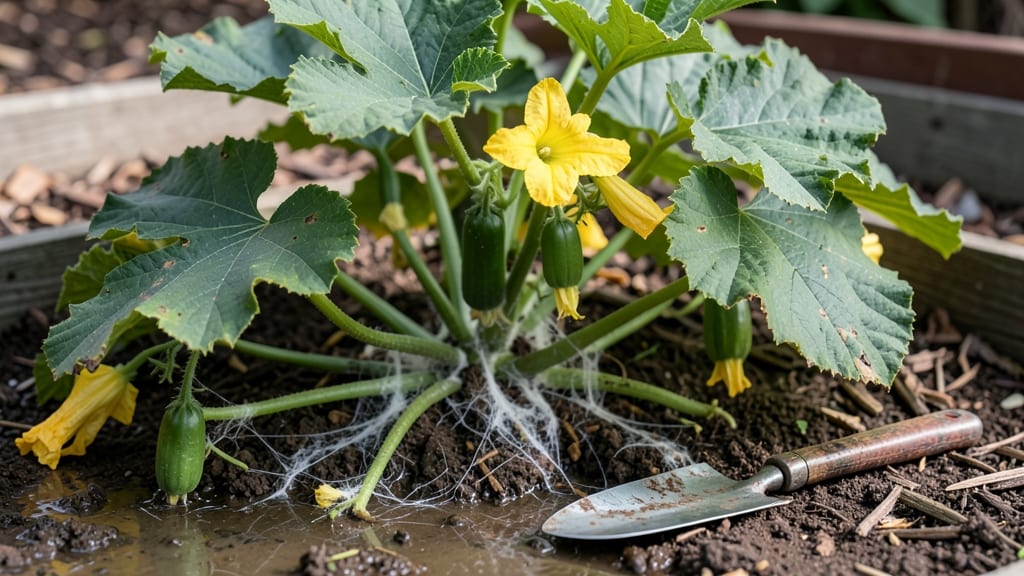
Your squash plants are wilting for no reason—it’s not drought, it’s squash root rot, and the good news is you can stop it before it spreads. 🌱 I’ve saved three consecutive harvests with these organic fixes after my first garden nearly lost every vine to mushy roots and yellowing leaves.
Root rot starts with overwatering or poor drainage, but fungal spores in the soil finish the job. The moment you see leaves curling or stems turning black at the base, act fast—this isn’t a slow decline.
My go-to fix? A 30-second soil check with a screwdriver to test drainage, followed by a baking soda spray (1 tablespoon per gallon of water) to restore pH balance.
By the time you’re done, your plants will be back to thriving with firm stems and vibrant green foliage—no more guessing games. The key is catching it early, so I’ll show you how to spot the warning signs before they become full-blown crises.
Works for both zucchini and pumpkins, whether you’re growing in raised beds or straight in the ground. Let’s get those roots healthy again—permanently.
The Hidden Triggers Behind Plant Decline
Understanding why squash plants suddenly wilt, yellow, or collapse despite your best care starts with uncovering the sneaky culprits behind root rot. This silent killer thrives in conditions that seem harmless—or even ideal—until it’s too late.
Below, we break down the science-backed reasons your squash roots may be silently suffocating, so you can act before your harvest disappears.
Root rot isn’t just about "too much water"—it’s about waterlogged roots that can’t breathe. Squash plants, especially in containers or heavy clay soil, are particularly vulnerable because their fibrous roots need oxygen to function. Here’s why it happens:
- Compacted or Impermeable Soil: Clay or tightly packed soil repels water instead of absorbing it, creating pockets of saturation.
Even if the surface looks dry, roots below may be drowning. - Frequent Watering Without Checks: Automated drip systems or daily watering (especially in humid climates) can keep soil perpetually moist.
Roots deprived of oxygen suffocate, and beneficial microbes that fight pathogens die off. - Lack of Raised Beds or Mounds: Squash thrives in well-drained conditions. Planting in flat ground or low-lying areas traps excess water, inviting fungal invaders like Phytophthora or Pythium.
💡 Pro Tip: Stick your finger 2 inches deep into the soil before watering. If it’s damp, wait. For containers, ensure drainage holes and use a mix of 50% potting soil + 50% perlite/compost to improve aeration.
Root rot isn’t always caused by water alone—soilborne fungi and bacteria are often the real villains. These pathogens lie dormant in soil until conditions become perfect for them to strike:
- Warm, Wet Conditions: Fungi like Fusarium and Rhizoctonia thrive in temperatures between 70–85°F (21–29°C) with high humidity.
Overhead watering (especially in the evening) splashes spores onto leaves and stems, giving them a direct route to roots. - Contaminated Soil or Tools: Reusing infected soil from last season’s garden or sharing tools (like pruners) between plants can spread pathogens.
Even compost made from diseased plant material can harbor spores. - Weakened Plants: Squash stressed by nutrient deficiencies (like low nitrogen or phosphorus) or physical damage (e.g., from slugs or harsh pruning) are easier targets for root invaders.
✨ Prevention Hack: Solarize soil in spring by covering it with clear plastic for 4–6 weeks to kill dormant pathogens. Rotate crops annually and avoid planting squash in the same spot where cucurbits (like melons or pumpkins) grew last year.
Extreme conditions—both hot and cold—can disrupt root health, making plants more susceptible to rot. Here’s how:
- Cold Soil in Early Planting: Squash seeds and seedlings struggle in soil below 60°F (15°C). Slow germination or weak root development leaves plants vulnerable to rot once warmer weather arrives. - High Soil pH or Salinity: Squash prefers slightly acidic to neutral soil (pH 6.0–7.0).
Alkaline soil (pH >7.5) locks out essential nutrients like iron and manganese, weakening roots. Over-fertilizing with synthetic salts (like ammonium-based fertilizers) can also burn roots, creating entry points for pathogens. - Poor Air Circulation: Dense mulch or thick plantings restrict airflow around the base of stems.
Stagnant air traps moisture and heat, creating a fungal paradise.
📊 Soil Test Tip: Use a DIY pH test kit (or send a sample to your local extension office) to check levels. Amend soil with sulfur (to lower pH) or lime (to raise it) as needed, and avoid heavy mulch near the stem.
Sometimes, the damage starts above ground before it shows up in the roots. Chewing insects, burrowing larvae, and even human mistakes can create wounds that invite rot:
- Squash Vine Borers: These caterpillars tunnel into stems, severing the plant’s water and nutrient pathways. Damaged areas become entry points for rot-causing fungi. - Cutworms or Rabbits: Physical gnawing near the base severs roots or stems, leaving the plant unable to recover.
The exposed tissue rots quickly in moist conditions. - Improper Transplanting: Rough handling during transplanting can bruise roots, giving pathogens a foothold. Even over-deep planting (burying the stem too far) can suffocate the plant.
🔪 Defensive Move: Use collars made from cardboard around young seedlings to deter cutworms. For vine borers, wrap stems with aluminum foil (they can’t penetrate it) or apply Bt (Bacillus thuringiensis) spray early in the season.
How to Fix It Naturally
Squash root rot may feel like a death sentence for your garden, but with the right organic fixes, you can nurse your plants back to health—or better yet, prevent it from happening in the first place.
Below are targeted solutions tailored to the root causes of root rot, from poor drainage to fungal overgrowth. Follow these steps to revive your squash and keep your garden thriving.
If your squash is drowning in soggy soil, the first step is to improve airflow and water management.
- 🔥 Stop Watering Immediately – Let the soil dry out before resuming a watering schedule.
Use your finger to check moisture levels: if the top 1-2 inches are damp, wait another day. - 🍳 Amend the Soil – Mix in compost, perlite, or coarse sand (1 part amendment to 3 parts soil) to loosen compacted earth and improve drainage.
Avoid heavy clay soils where possible. - 👨🍳 Raise Planting Beds – If your garden has poor drainage, consider elevated beds or containers with drainage holes.
Squash thrives in well-draining environments. - ⏰ Water Deeply but Less Often – Instead of daily light watering, give your squash a deep soak 2-3 times per week (adjust based on climate). Early morning is best to prevent fungal growth.
💡 Pro Tip: Mulch with straw or wood chips to retain moisture without keeping soil perpetually wet. Keep mulch 2-3 inches away from the stem to prevent rot at the base.
Fungal root rot thrives in damp, dark conditions. Break the cycle with these natural remedies.
- 🔪 Prune Infected Roots & Leaves – Carefully remove any black, mushy roots or yellowing leaves with sterilized pruners.
Dispose of them in the trash (not compost) to prevent spread. - 🌡️ Boost Soil Microbes – Apply a beneficial fungus treatment like Trichoderma harzianum (available as a powder or spray) to outcompete harmful pathogens. - 🎯 Copper or Neem Oil Spray – Mix 1 tsp neem oil or copper fungicide per quart of water, then spray the soil and lower leaves weekly for 2-3 weeks.
These disrupt fungal spores without chemicals. - ✨ Solarize the Soil (Advanced) – If root rot is severe, cover the affected area with clear plastic for 4-6 weeks in hot sun. This bakes out pathogens—best done in late spring or summer.
💡 Pro Tip: Avoid overhead watering—use a drip irrigation system or soaker hose to keep foliage dry, reducing fungal spores that splash onto plants.
An ounce of prevention is worth a pound of cure. Set up your garden for success with these long-term strategies.
- 📊 Rotate Crops – Never plant squash (or other cucurbits like cucumbers and melons) in the same spot two years in a row.
Rotate with beans, tomatoes, or herbs to break the fungal cycle. - 💪 Strengthen Plant Immunity – Feed your squash with compost tea or fish emulsion every 4-6 weeks to boost natural defenses.
Healthy plants resist diseases better! - 🥗 Choose Resistant Varieties – Some squash types (like ‘Butternut’ or ‘Acorn’) are more resistant to root rot than others. Check seed packets for disease-resistant labels. - 🌡️ Monitor Soil pH – Test your soil’s pH (ideal for squash: 6.0–7.0).
If too acidic (<5.5), amend with lime; if too alkaline (>7.5), add sulfur or peat moss.
💡 Pro Tip: Plant squash in raised beds filled with a mix of 50% compost, 30% garden soil, and 20% perlite for the best drainage and nutrient balance.
By tackling the specific cause of your squash’s root rot—whether it’s waterlogged soil, fungal pressure, or poor soil health—you can revive struggling plants and protect future harvests. Start with the fixes above, and your garden will be back to producing healthy, rot-free squash in no time!
Frequently asked questions
How do I know if my squash has root rot instead of just wilting from heat?
Check the stem base and roots: root rot causes black, mushy stems at the soil line and foul-smelling roots, while heat stress shows crispy leaf edges and wilting that improves at night. Gently dig up a plant—healthy roots are firm and white, while rotten ones smell sour and crumble.
Can I save a squash plant with root rot, or should I remove it?
For early-stage rot, prune all blackened roots and leaves, then treat with neem oil spray and improve drainage. If over 50% of roots are infected, remove the plant immediately to prevent spread—don’t compost it! Disinfect tools with 70% rubbing alcohol after use.
Why does root rot happen even when I water sparingly?
Root rot thrives when soil stays damp for more than 48 hours, even with light watering. Clay soil or containers without drainage holes trap moisture, while fungal spores (like Pythium) lie dormant until conditions are perfect. Test drainage by digging a 6-inch hole—if water pools, amend with perlite or build a raised bed.
Will compost tea prevent root rot in my garden?
Compost tea boosts beneficial microbes that outcompete pathogens, but it’s not a standalone cure. Use it monthly as part of a prevention plan: combine with crop rotation, proper drainage, and copper fungicide sprays during humid weather. Healthy soil reduces rot risk by 70%.