
Plants
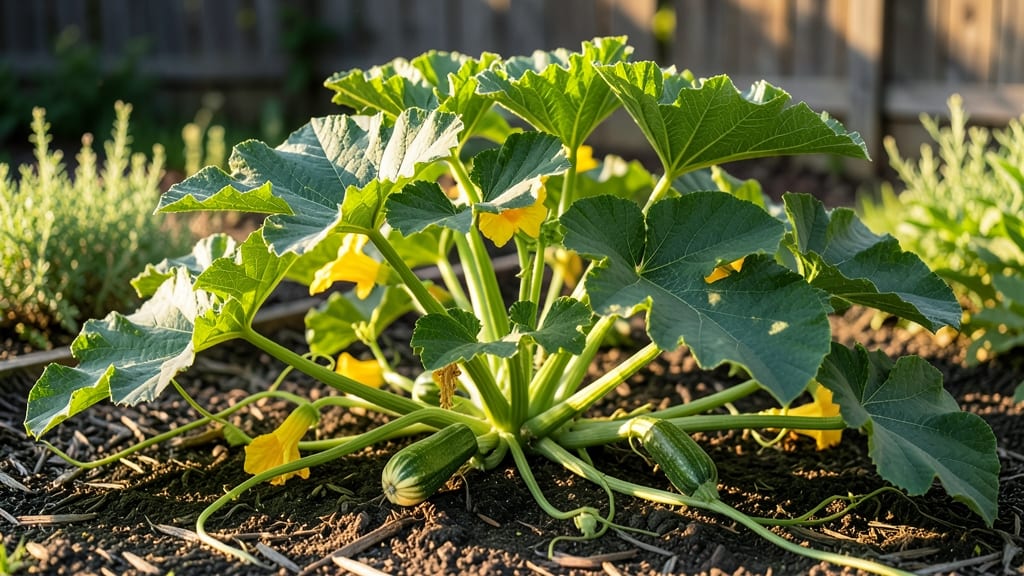
Squash plants grow between 1 and 6 feet tall, depending on the variety you choose—some stay small enough for containers while others sprawl like vines 🎃.
If you’ve ever dreamed of growing squash but worried about space constraints, you’re not alone—many gardeners assume these vines need acres to thrive. The truth? Squash plants vary wildly in size, from compact bush varieties to sprawling vines that need trellising or clever space management.
Whether you’re working with a tiny balcony or a backyard plot, knowing how tall your squash will grow is the key to planning your garden layout. Some varieties top out at just 2 feet, while others stretch 6 feet or more, making them perfect for trellises or vertical gardens.
In this guide, I’ll break down the height ranges for different squash types, share space-saving tips, and recommend the best compact varieties for small gardens—so you can grow more without sacrificing space.


Squash plant height by variety: from compact bushes to towering vines
When planning your garden, knowing how tall squash plants grow can make all the difference between a sprawling jungle and a neatly organized plot. Squash varieties range from dwarf bush types that stay under 2 feet tall to monster vines that stretch over 10 feet if left unchecked.
The good news? You can choose varieties that fit your space—whether you're working with a balcony container or a backyard garden.
The height of your squash plant depends entirely on its variety type. Summer squash like zucchini often stay compact, while winter squash and pumpkins can become sprawling giants. Understanding these differences helps you plan spacing and manage growth effectively.
For example, a bush-type zucchini might only need 2 feet of space, while a traditional pumpkin vine could spread 10+ feet without support.
Here’s the key: Most squash plants fall into three height categories—dwarf (1-2 ft), compact (2-4 ft), or vining (5-10+ ft). The right choice depends on your garden layout, sunlight, and whether you’re willing to invest in trellises or pruning. Let’s break down the specifics so you can pick the perfect fit for your space.
| Squash Type | Height Range | Space Needs | Best For |
|---|---|---|---|
| Summer Squash (e.g., Zucchini, Patio Star) | 1–3 ft | 2–4 ft apart | Containers, small gardens |
| Winter Squash (e.g., Butternut, Acorn) | 3–6 ft | 5–8 ft apart | Trellises, larger plots |
| Pumpkins (e.g., Jack-O'-Lantern, Sugar Pie) | 5–10+ ft | 10–15 ft apart | Rural gardens, open spaces |
| Dwarf Varieties (e.g., Eight Ball, Bush Delicata) | 1–2 ft | 1–2 ft apart | Balconies, small pots |
| Vining Varieties (e.g., Straightneck, Long Island Cheese) | 6–10+ ft | 8–12 ft apart | Trellised gardens, fences |
If you’re working with limited space, focus on bush-type squash varieties. These are bred to stay compact, making them ideal for containers or raised beds. For example, the Eight Ball zucchini tops out at just 1–2 feet tall and produces round, bite-sized squash perfect for snacking.
Another great option is Bush Delicata, a winter squash that stays under 3 feet while delivering sweet, nutty fruit.
For those with more room—or a desire to grow traditional squash varieties—vining types like butternut squash or spaghetti squash can reach 5–8 feet tall. These need ample space to sprawl or a strong trellis to contain their growth.
Without support, they’ll spread 10+ feet in all directions, quickly overtaking nearby plants. If you’re growing these, plan for at least 5 feet of space per plant and consider vertical training to save room.
Pumpkins are the extreme end of the spectrum, with some varieties like Jack-O'-Lantern or Sugar Pie reaching 10–15 feet long. These need wide-open spaces or heavy-duty trellises to support their weight.
If you’re growing pumpkins in a small garden, opt for miniature varieties like Munchkin, which stay under 3 feet tall and produce golf-ball-sized pumpkins perfect for containers.
One of the biggest mistakes gardeners make is underestimating squash growth. Even compact varieties can spread 3–4 feet wide if not pruned, while
How to train tall squash vines to save space in small gardens
Tall squash vines can quickly take over your garden, but with the right techniques, you can train them to grow vertically instead of sprawling. This not only saves space but also improves airflow and reduces disease risk.
The key is using trellises, strategic pruning, and smart companion planting to guide their growth upward.
Most traditional squash varieties, like butternut or spaghetti squash, can reach 6 feet or taller if left unchecked. By training them vertically, you can fit more plants in the same space while making harvest easier.
Start by choosing the right trellis—metal cages or wooden stakes work best for squash’s heavy vines.
Step-by-Step Guide to Training Tall Squash Vines
- Step 1: Install a trellis or cage near your squash plants as soon as vines reach 12 inches tall. Use 4-6 foot tall structures for most varieties.
- Step 2: Gently weave vines through trellis openings, securing with soft ties (like old fabric strips) to avoid damaging stems.
- Step 3: Prune side shoots regularly to encourage upward growth. Remove any shoots growing horizontally or downward.
- Step 4: Add companion plants like bush beans or marigolds at the base to improve airflow and deter pests.
- Step 5: Harvest frequently to prevent vines from becoming overloaded. Overripe squash can weigh vines down, causing them to sag.
When training squash vines, pruning is your best friend. Focus on removing suckers—those small shoots that grow from the base of the main vine. These compete for nutrients and can stunt your plant’s vertical growth. Use clean, sharp pruning shears to make cuts just above a leaf node.
Another space-saving trick is to hill soil around the base of your squash plant as it grows. This encourages deeper root development and supports the plant’s weight as it climbs.
Combine this with a sturdy trellis, and you’ll have vines reaching for the sky without taking over your garden bed.
Don’t forget about companion planting! Pairing squash with fast-growing plants like radishes or lettuce can maximize your garden’s productivity. These plants mature quickly, allowing you to harvest them before the squash vines spread too wide. Just ensure your companions don’t compete for the same nutrients.
With these techniques, you’ll transform your squash plants from space hogs into vertical powerhouses. Your garden will stay organized, your harvest will be easier, and you’ll have room for even more plants to thrive. Happy growing! 🎃