
How To
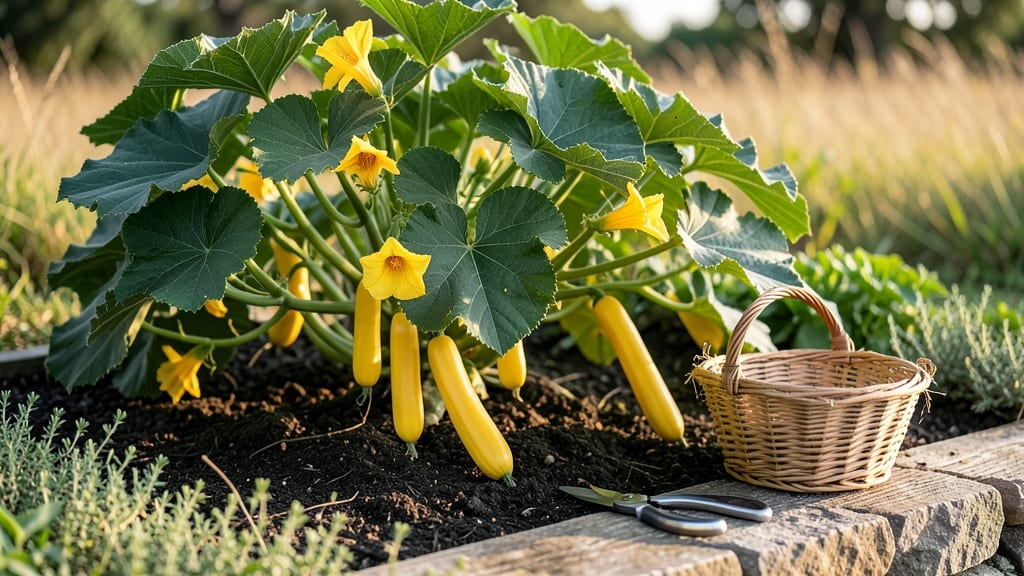
When buying yellow squash by the pound, you'll generally get 2 to 3 medium-sized squash (about 6 to 8 inches long) per pound. Smaller varieties can yield 3 to 4 per pound, while larger ones may only provide 1 to 2.
Understanding how many yellow squash fit in a pound helps with meal planning and grocery shopping. 🔥 The variation comes from squash size and density—thicker squash weigh more per inch, while slender ones pack more into the same weight.
I always check the length first: a 6-inch squash typically weighs about 4-6 ounces, while an 8-inch one might tip the scales at 8-10 ounces. This means your pound could easily contain 3 smaller squash or just 2 larger ones.
For recipes calling for "1 pound of yellow squash," you might end up with 2-3 squash depending on their size. This is why many chefs prefer measuring by weight rather than count—it ensures consistency in flavor and texture.
If you're prepping for multiple servings, consider buying slightly larger squash for easier handling and peeling.
💡 In This Article
- Factors Affecting Yellow Squash Count per Pound
- Practical Tips for Measuring Yellow Squash in Recipes
Factors affecting yellow squash count per pound
The number of yellow squash in a pound isn't just about length—it's a mix of density, moisture content, and variety. Straightneck squash, with their uniform shape, typically pack more weight per inch than their crookneck cousins.
A 6-inch straightneck might weigh 4-6 ounces, while a 7-inch crookneck could weigh 3-5 ounces due to its curved shape and thinner neck. This means your pound of straightnecks might yield 3 squash, while crooknecks could give you 4.
Moisture plays a surprising role too. Freshly harvested squash can contain 90-95% water, making them lighter for their size. As they ripen, moisture decreases slightly, increasing density. A squash with a 1.5-inch diameter might weigh 8-10 ounces, while a 2-inch thick one could reach 12-14 ounces.
This thickness variation explains why some grocery bags show 2 squash per pound while others show 3—it's all about that middle section's girth.
The variety matters just as much as size. Yellow crookneck squash, with their tapered ends, often contain 15-20% less flesh per pound than straightnecks because of their hollow stems. Meanwhile, golden zucchini (a close relative) pack more flesh per pound due to their denser structure.
If you're working with recipes that require precise measurements, this variety difference can throw off your counts by up to 20%.
Here's what's actually happening at the grocery store: Most squash are harvested when they're 6-8 inches long for optimal flavor and texture. At this stage, their weight distribution is most consistent.
However, squash left on the vine too long become heavier but less tender—a trade-off that affects both count per pound and culinary quality. 🌱 The sweet spot is 7-8 inches, where you'll typically get 2.5-3 squash per pound.
Seasonal variations add another layer. Summer squash harvested in peak season (June-August) tend to be slightly lighter due to higher water content, while late-season squash (September-October) may be denser.
This seasonal weight shift can mean 10-15% more squash per pound in early summer compared to late fall. For consistent results, always weigh your squash rather than counting them.
One often-overlooked factor is the seed cavity. Larger squash develop bigger seed cavities as they mature, reducing usable flesh per pound. A 7-inch squash might have a 2-inch seed cavity, while an 8-inch one could have a 3-inch one.
This hollow space accounts for 10-15% of the total weight in larger specimens, further explaining why bigger squash yield fewer per pound.
For the most accurate conversions, remember this rule: Length × diameter × 0.3 ≈ ounces. For example, a 7-inch × 1.5-inch squash would weigh about 3.65 ounces.
This formula helps explain why your 6-inch squash might weigh 4 ounces while an 8-inch one tips the scales at 8 ounces—it's all about that cubic volume.