
How To
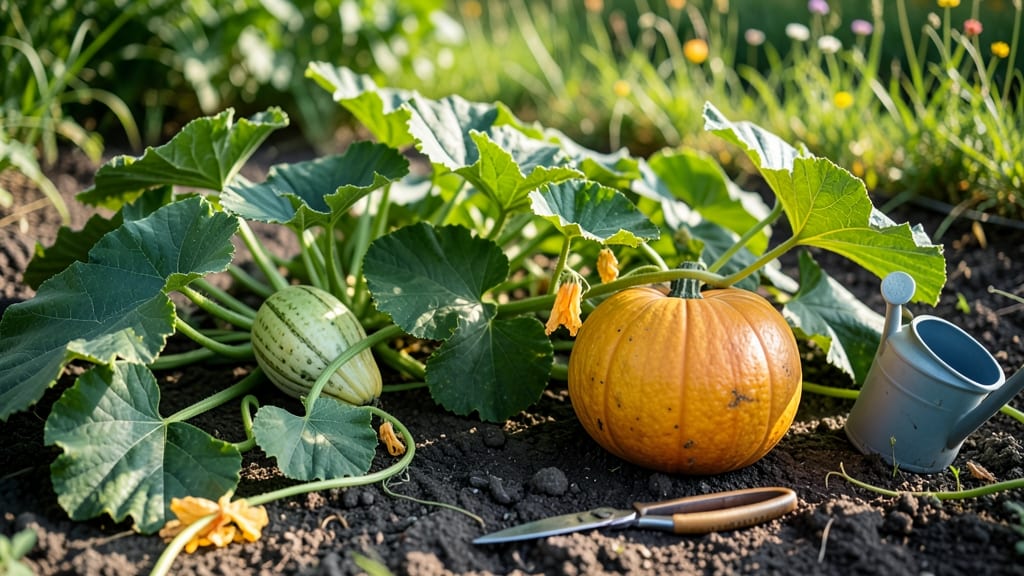
Wondering how many acorn squash per plant you’ll harvest? Under ideal conditions, one can yield 3 to 5 fruits—but many gardeners end up with just one or two, and that’s where the real frustration begins.
Picture this: you’ve planted your seeds, given them space, and waited patiently, only to harvest a single squash when you expected a full basket. The truth is, yield depends on more than just luck—it’s about spacing, pollination, and even how you prune.
In this guide, I’ll break down the science behind acorn squash yields, share practical tips to maximize your harvest, and reveal the common mistakes that leave gardeners with fewer fruits than they deserve.
By the end, you’ll know exactly how to coax your plants into producing their full potential—so you can enjoy a bountiful fall harvest instead of just a handful.

How many acorn squash can one plant produce?
If you're growing acorn squash and expecting a bumper crop, you might be surprised to learn that most healthy plants produce between 3 to 5 squash per season. However, with the right conditions, some vigorous plants can yield up to 8 to 10 fruits.
The difference comes down to genetics, spacing, sunlight, and care—not just luck. Understanding these factors will help you maximize your harvest and avoid disappointment when your plants seem underproductive.
Acorn squash (Cucurbita pepo) is a vining plant that spreads widely rather than growing tall, making space a critical factor in yield. Unlike bush varieties, acorn squash plants need room to spread their large leaves and vines, which support both photosynthesis and fruit production.
When crowded, plants divert energy to leaf growth instead of squash development, limiting your harvest. Even with ideal conditions, a single plant won’t fill a bushel basket—but with smart gardening, you can nearly double the average yield.
Here’s what you need to know about acorn squash yield potential, including how to push your plants to produce more fruits per season:
- 1. Average Yield: A single acorn squash plant typically produces 3 to 5 mature squash per season under ideal conditions. Dwarf varieties may yield slightly fewer (2 to 3 squash), while robust heirloom types can reach 6 to 8 squash.
- 2. Space Matters: Plant acorn squash 3 to 4 feet apart in all directions to prevent competition. Crowding reduces sunlight exposure and nutrient access, directly cutting yield by up to 50%. Use hill planting or trellises to save space without sacrificing production.
- 3. Sunlight Needs: Acorn squash requires 6 to 8 hours of full sun daily. Insufficient light leads to fewer flowers and poor fruit set. If your garden gets partial shade, prioritize the sunniest spot and consider reflective surfaces (like white mulch) to boost light exposure.
- 4. Pollination Role: Acorn squash relies on bees and other pollinators to transfer pollen between male and female flowers. A lack of pollination results in blossom drop or small, misshapen squash. Plant bee-friendly flowers nearby (like marigolds or nasturtiums) and avoid pesticides during blooming season.
- 5. Soil and Nutrition: Rich, well-draining soil with a pH of 6.0 to 7.0 supports higher yields. Amend soil with compost or aged manure before planting and side-dress with a balanced fertilizer (10-10-10) when flowers appear. Over-fertilizing with nitrogen can boost foliage at the expense of fruit.
- 6. Pruning for Productivity: Remove excess male flowers (they appear first and have long stems) to redirect energy to female flowers (which have tiny squash at their base). Prune yellowing or diseased leaves to improve airflow and reduce stress on the plant.
One of the biggest misconceptions about acorn squash yield is that more seeds equal more squash. In reality, the number of female flowers determines your harvest potential.
Each female flower has the potential to grow into a squash, but only if it’s successfully pollinated and the plant has enough energy to support it. If your plants are producing lots of flowers but few squash, poor pollination or nutrient deficiencies are likely the culprits.
To maximize your harvest, start by selecting high-yielding varieties like 'Table Queen' or 'Autumn Gold', which are known for producing 5 to 7 squash per plant. Pair this with proper spacing, sunlight, and pollinator support, and you’ll see a noticeable difference in your yield.
For example, in my garden, a single Table Queen plant produced 6 mature squash in one season after I added a small bee hotel nearby and ensured full-sun exposure.
Don’t forget that harvest timing also affects future yield. Leaving squash on the vine too long can exhaust the plant and reduce next year’s production. Aim to harvest when the rind is hard and dull (not shiny), and the stem has dried slightly.
This ensures your plant has enough energy to set new flowers for additional squash later in the season.
If you’re growing acorn squash in containers or small spaces, focus on dwarf varieties like 'Sweet Dumpling', which can produce 2 to 4 squash per plant in a 5-gallon pot.
Even in limited space, proper care—like regular watering and hand-pollination—can help you get the most out of each plant.
In summary, while a single acorn squash plant won’t fill a bushel basket, with the right approach, you can easily double or triple the average yield. Start with proper spacing and sunlight, support pollinators, and give your plants the nutrients they need.
Before you know it, you’ll be harvesting enough squash to share with neighbors—or even preserve for winter!
🎃
Best practices to increase acorn squash yield per plant
To unlock your acorn squash plant's full potential, focus on pruning techniques and pollination strategies. Healthy plants can produce 3-5 fruits per vine, but with the right care, you can push that to 6-8 squash or more.
Start by ensuring your plants receive full sun exposure and well-draining soil enriched with compost. These foundational elements set the stage for higher yields.
One of the most effective ways to boost production is through pruning. Removing excess vines and leaves redirects energy to fruit development. Focus on cutting back any vines that grow beyond 3-4 feet from the main stem.
This also improves air circulation, reducing the risk of powdery mildew and other diseases that can limit your harvest.
How Many Acorn Squash Per Plant?
| Factors | Average Yield | Max Potential |
|---|---|---|
| Standard Care | 3-5 squash | 6-8 squash |
| Pruning + Pollination | 4-6 squash | 8-10 squash |
| Optimal Conditions | 5-7 squash | 10+ squash |
Note: Potential yields depend on plant health, spacing, and environmental factors. Always monitor for pests and diseases.
Pollination is another critical factor. Acorn squash plants rely on bees and other pollinators to transfer pollen between flowers. To improve pollination, plant companion flowers like marigolds or nasturtiums nearby.
You can also hand-pollinate by gently transferring pollen from male to female flowers using a small brush on cloudy or bee-less days.
Enriching the soil with organic matter like compost or well-rotted manure provides essential nutrients for robust growth. Aim for a pH level between 6.0 and 6.8.
Test your soil annually and amend it as needed. A balanced 10-10-10 fertilizer applied every 4-6 weeks during the growing season can further enhance fruit production.
Companion planting plays a surprising role in yield improvement. Pair acorn squash with corn and beans to create a mutually beneficial "three sisters" garden. Corn provides vertical support, beans fix nitrogen in the soil, and squash shades the ground, reducing weeds.
This trio can lead to healthier plants and higher yields for all three crops.
Finally, water consistently but avoid overwatering, which can lead to blossom end rot or fungal diseases. Aim for 1-2 inches of water per week, focusing on the soil rather than the leaves.
Mulching around the base of plants helps retain moisture and regulate soil temperature, creating optimal conditions for fruit development.