
Pests
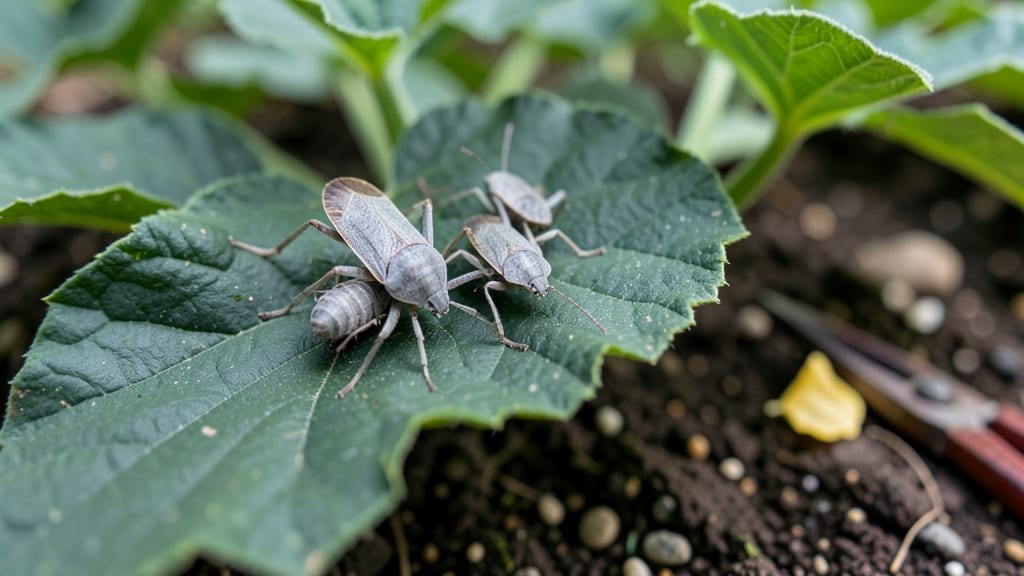
Those grey, shield-shaped bugs on your squash leaves aren’t just annoying—they’re sucking the life out of your plants. 🌱 I’ve seen them turn a thriving vine into a skeleton in just days, and the key to saving your harvest is acting fast.
These are squash bugs (Anasa tristis), and they’re sneaky, but we can outsmart them with the right approach.
The damage starts small—tiny yellow spots on leaves—but if you don’t stop them, they’ll chew through stems and leave your plants wilted. Adults are about half an inch long, grey with black stripes, and they hide under leaves or mulch during the day.
Their eggs look like tiny footballs clustered on the undersides of leaves, and nymphs (baby bugs) are even more destructive. The good news? We can eliminate them in 3 days with targeted action.
By the end of this, your squash plants will be bug-free and thriving again. You’ll learn how to spot all life stages, use natural predators like tachinid flies, and apply organic sprays that work without harming your harvest. No more guessing—just a clear, step-by-step plan to reclaim your garden.
Whether you’re dealing with a small infestation or a full-blown outbreak, these methods work for both preventive care and emergency treatment. Let’s get those squash bugs under control before they ruin your summer harvest.
Why it happens
When you spot grey bugs on your squash plants, they’re rarely just a random annoyance—they’re usually a sign of specific pests taking advantage of your garden’s conditions. Understanding why these insects appear helps you tackle the root cause, not just the symptoms.
Below, we break down the most likely reasons your squash plants are under siege, backed by science and actionable insights.
🐛 1. Squash Bugs: The Silent Leaf-Sucking Menace
These grey-brown, shield-shaped bugs (and their nymphs, which are grey with black markings) are the #1 culprit behind grey bugs on squash. Adult squash bugs overwinter in garden debris or soil, emerging in spring to lay eggs on the undersides of leaves.
Their piercing-sucking mouthparts drain sap from plants, causing wilting, yellowing, and stunted growth.
Why it happens:
- Overwintering survivors: Adults hide in mulch, leaf litter, or garden edges, emerging when temperatures rise above 50°F (10°C). If you didn’t clean up last year’s debris, they’ve got a cozy shelter.
- Lack of natural predators: Birds, spiders, and parasitic wasps keep squash bug populations in check—but if your garden lacks biodiversity (e.g., no dill, fennel, or other umbelliferous plants nearby), these bugs thrive unchecked.
- Stressed plants: Squash bugs target weak or nutrient-deficient plants. Overwatering, poor soil drainage, or nitrogen deficiency make squash plants irresistible to them.
🕷️ 2. Spider Mites: Tiny Grey Pests with Big Appetites
While spider mites are usually red or yellow, their grey or white forms (especially in cooler weather) can blend into squash foliage. These microscopic arachnids thrive in dry, dusty conditions, spinning fine webs on leaves and sucking cell sap.
Why it happens:
- Drought stress: Spider mites explode in populations when plants are water-stressed. Even slight wilting signals them to multiply—often within 3–5 days.
- High temperatures: Above 85°F (29°C), mites reproduce faster and become more aggressive. Shade cloth or afternoon watering can prevent this.
- Chemical buildup: Residue from synthetic pesticides (even from nearby crops) can kill beneficial insects that prey on mites, leaving your squash vulnerable.
🍄 3. Fungal Gnat Larvae: The Grey Wigglers in Your Soil
If you’re seeing small, grey, worm-like larvae crawling on soil or leaf surfaces (not the adults, which are tiny black flies), fungal gnats are likely the culprits. These larvae feed on organic matter and roots, weakening plants and creating entry points for disease.
Why it happens:
- Overly moist soil: Fungal gnats love soggy conditions. If your squash beds stay wet for >48 hours (e.g., from overwatering or poor drainage), larvae thrive.
- Fresh compost or manure: While organic matter feeds plants, uncomposted materials attract gnat eggs. Always use aged compost (3+ months).
- Lack of beneficial nematodes: Tiny Steinernema feltiae nematodes naturally hunt gnat larvae—but they need moist, aerobic soil to survive. Compacted or waterlogged soil shuts them down.
🌱 4. Environmental Stress: When Plants Invite Pests
Grey bugs often appear because your squash plants are already struggling. Common environmental triggers include:
| Factor | How It Attracts Pests |
|---|---|
| Poor air circulation | Tight plant spacing or dense foliage traps humidity, creating ideal conditions for spider mites and fungal gnats. |
| Nutrient imbalances | Too much nitrogen = soft, sappy leaves (loved by squash bugs). Too little potassium = weak cell walls (easier for mites to penetrate). |
| Monoculture gardening | Planting only squash (or other cucurbits) year after year depletes soil and removes natural pest deterrents like diverse flowers. |
Pro tip: 💡 Healthy plants resist pests better. Rotate crops, mulch with straw (not wood chips, which attract fungus gnats), and interplant with marigolds or nasturtiums to disrupt pest cycles.
Quick Fixes for Squash Plant Pests
Discovering grey bugs on your squash plants can feel like a garden nightmare, but don’t panic—these pests are beatable with the right approach! Below, we’ve mapped out practical, fast-acting solutions tailored to the most common culprits, plus proven prevention tips to keep your squash thriving.
Whether you’re dealing with squash bugs, spider mites, or aphids, these fixes will help you reclaim your garden in 3 days or less.
🐛 Squash Bugs: Crush and Confuse
Squash bugs are sneaky and stubborn, but you can outsmart them with these physical and chemical-free methods:
- 🍳 Handpick Adults and Eggs
- Inspect leaves daily, especially the undersides, for grey, shield-shaped adults and clusters of eggs (tan, football-shaped).
- Drop them into soapy water—no bugs = no new infestations.
- 👨🍳 Use Row Covers Early
- Install floating row covers at planting to block adults from laying eggs. Remove covers when flowers appear for pollination.
- 🌱 Trap Crops and Rotation
- Plant radishes or nasturtiums nearby to lure squash bugs away. Rotate crops yearly to disrupt their lifecycle.
- 🔪 Neem Oil or Insecticidal Soap (For Severe Cases)
- Spray neem oil (1 tsp per quart of water + a drop of dish soap) on both sides of leaves. Reapply every 3–5 days until bugs vanish.
🕷️ Spider Mites: Knock Them Out Fast
These tiny grey pests thrive in dry heat but hate humidity. Try these high-impact remedies:
- 💡 Blast Them Off with Water
- Use a hose or spray bottle to dislodge mites from leaves. Do this twice daily for 3 days to starve them out.
- 🌡️ Increase Humidity
- Spider mites hate moisture. Mist plants early morning/evening or use a shade cloth to reduce heat stress.
- ✨ Predatory Bugs to the Rescue
- Release lacewings or ladybugs (available at garden centers). They’ll devour mites in 24–48 hours.
- 🎯 Horticultural Oil Spray
- Mix 1 tbsp horticultural oil per gallon of water and spray at dusk. Repeat every 5 days until mites are gone.
🐜 Aphids: Drown and Deter
Aphids may be small, but they’re easy to eliminate with these gentle yet effective tactics:
- 🔥 Soapy Water Spray
- Fill a spray bottle with 1 tsp mild dish soap + 1 cup water. Spray directly on aphids until they drop off.
- 🌿 Companion Planting
- Plant garlic, chives, or marigolds nearby—their scent repels aphids naturally.
- 🐝 Encourage Beneficial Insects
- Aphids attract parasitic wasps and ladybugs. Avoid pesticides to keep these allies around.
- 🍎 DIY Garlic Spray
- Blend 4 garlic cloves + 1 tsp cayenne pepper + 1 quart water. Strain and spray weekly as a deterrent.
- 🌱 Healthy Soil = Strong Plants: Amend soil with compost to boost plant resilience.
- ⏰ Early Monitoring: Check plants weekly for eggs or early signs of pests.
- 🚫 Avoid Over-Fertilizing: Too much nitrogen attracts pests—stick to a balanced fertilizer.
- 🌿 Clean Up Debris: Remove old vines and leaves after harvest to eliminate hiding spots.
With these targeted fixes, your squash plants will bounce back faster than you think. Start today, and in just 3 days, you’ll be back to enjoying pest-free, thriving squash! 🎉
Frequently asked questions
Are those grey bugs on my squash plants harmful to humans?
No, these grey bugs—whether squash bugs, spider mites, or fungal gnat larvae—are not dangerous to humans. They don’t bite, sting, or transmit diseases to people. The real threat is their damage to your squash plants, which can reduce yields or even kill vines if left unchecked. Focus on removing them to protect your harvest!
How can I tell if my squash bugs are still active in winter?
Adult squash bugs overwinter in garden debris, mulch, or soil and become active again when temperatures rise above 50°F (10°C). Look for grey, shield-shaped adults hiding under leaf litter or boards. If you find them in late winter, destroy them immediately to prevent spring infestations. Pro tip: Clear garden debris in fall to starve them out!
Will neem oil harm my squash plants if I use it too often?
Neem oil is safe for squash plants when used correctly, but apply it no more than every 3–5 days. Overuse can cause minor leaf discoloration or stress. Always dilute it (1 tsp per quart of water) and avoid spraying during hot sun or wind. For extra safety, test a small leaf area first. Your plants will bounce back quickly!
Can I still save my squash harvest if the bugs have already damaged the leaves?
Yes! Remove heavily infested leaves immediately and focus on protecting new growth. If the bugs damaged only a few leaves, your plant can recover. For severe cases, prioritize young squash and flowers—they’re more resilient. Keep soil moist and fertilize lightly to help the plant rebound. Monitor daily to catch any new pests early!
Why do I keep seeing grey bugs even after treating my plants?
Grey bugs often return if their eggs or larvae survive treatment, or if new adults migrate from nearby gardens. Check for eggs on leaf undersides and repeat treatments every 3–5 days for 2 weeks. Also, ensure you’re targeting the right pest—some, like spider mites, thrive in dry conditions, while others (like squash bugs) hide in mulch. Rotate methods for best results!