
Vegetables
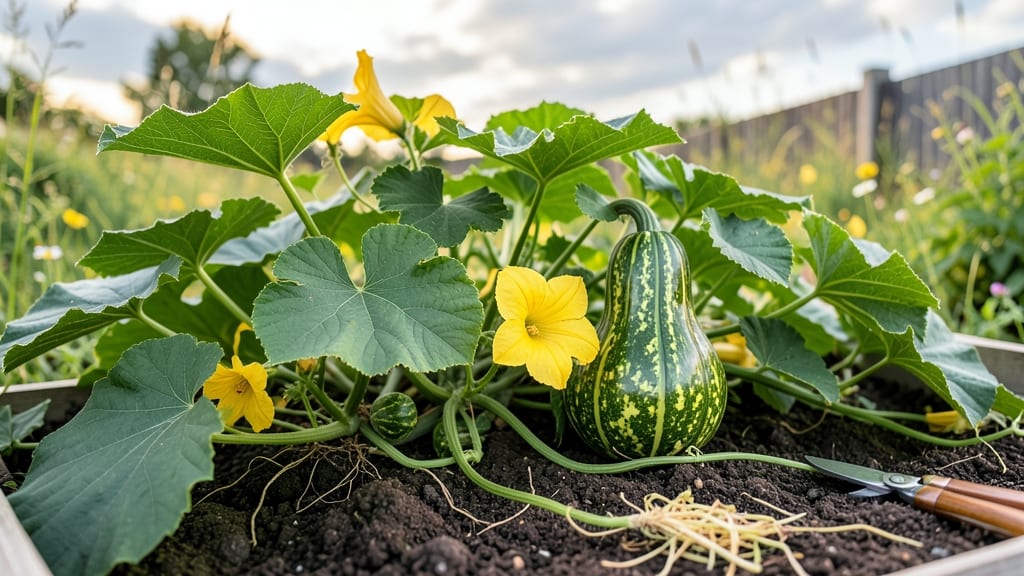
That bell-shaped green squash you're eyeing at the garden center could be zucchini, pattypan, or acorn—each with its own growing quirks. 🌱 I've grown all three, and the key to success starts with knowing which is which by their vine shape and leaf patterns.
Summer squash like zucchini sprawl aggressively, while winter varieties like acorn squash grow more upright and compact.
All three thrive in full sun and well-draining soil, but spacing makes all the difference. Zucchini vines need 3-4 feet of space, while pattypan and acorn squash can share 2-3 feet between plants.
Plant seeds 1 inch deep after your last frost date, or transplant seedlings when soil reaches 60°F—they're frost-sensitive once established.
Once planted, keep soil consistently moist but never soggy—squash roots need airflow. A balanced fertilizer at planting and a side-dressing of compost mid-season keeps them producing. Watch for squash bugs and powdery mildew, but don't stress: these are fixable with neem oil or row covers.
Harvest when firm to the touch: zucchini and pattypan at 6-8 inches, acorn squash when rinds harden. The earlier you pick summer squash, the more your plants will produce. Winter squash? Let them mature fully—they'll store for months if cured properly.
What Triggers Color Shifts
If you’ve ever spotted a green bell-shaped squash turning unexpectedly vibrant or dull, you’re not alone—this quirky behavior stems from a mix of environmental and genetic factors. Understanding these triggers helps gardeners predict—and even manipulate—color outcomes for better harvests. Let’s break down the science behind why these squashes change hues.
Not all bell-shaped squashes are created equal—some varieties are genetically programmed to shift colors based on maturity. For example:
- Summer squashes (like zucchini or pattypan) often start pale green but deepen to a rich, glossy hue as they mature due to increased chlorophyll production.
- Winter squashes (like acorn or butternut) may develop striped or mottled patterns as they harden, thanks to anthocyanin pigments triggered by cooler temperatures.
- Hybrid varieties might exhibit unpredictable color shifts if bred for disease resistance or shelf life, which can alter pigment expression.
Actionable tip: Check seed packets for color descriptions—some labels note whether the squash will darken or lighten over time. 💡
Sunlight is the MVP of squash coloration. Here’s how it works:
| Factor | Effect on Color |
|---|---|
| Full sun (6+ hours/day) | Boosts chlorophyll, making squashes darker green and more vibrant. |
| Partial shade | Reduces chlorophyll, leading to paler, yellowish-green squashes (common in summer varieties). |
| Inconsistent sunlight | Can cause stripes or blotches as the plant compensates for uneven exposure. |
Pro move: If your squashes are too pale, relocate them to sunnier spots or use reflective mulch to bounce light onto vines. ✨
Heat and cold play sneaky roles in squash pigmentation:
- Hot weather (>85°F): Can bleach green hues, especially in thin-skinned varieties like zucchini, making them appear washed out.
- Cool nights (<60°F): Triggers anthocyanins (red/purple pigments) in some winter squashes, like the famous ‘Banana Blush’ acorn squash.
- Frost risk: Causes premature color loss or even bitter flavors if squashes mature too quickly in cold snaps.
Grower hack: Use row covers in early spring or late fall to buffer temperature swings and preserve color. 🌡️
Water and soil health directly impact squash color. Here’s what to watch for:
- Overwatering: Leads to diluted chlorophyll, resulting in pale, waterlogged-looking squashes.
- Underwatering: Causes stress-induced yellowing (like nutrient deficiency) and can stunt pigment development.
- Nitrogen deficiency: Turns leaves yellow but may also lighten squash color since nitrogen is key for chlorophyll.
- Magnesium/potassium deficiency: Leads to interveinal chlorosis (yellowing between leaf veins), which can affect squash hue.
Fix it: Test soil pH (aim for 6.0–6.8) and amend with compost or balanced fertilizer (like 5-5-5) to avoid nutrient gaps. 💪
By mastering these triggers, you’ll not only predict color shifts but also grow squashes that are both visually stunning and flavor-packed. Next up: how to harvest at peak color! 🎉
Fixing Common Growing Mistakes
When your green bell-shaped squash (like zucchini or pattypan) isn’t thriving, the solution often lies in tweaking care routines or adjusting growing conditions. Below are practical fixes for the most common issues, paired with prevention tips to keep your plants happy and productive.
Signs: Yellowing leaves, stunted growth, or small, misshapen squash.
How to Fix It:
- 🔥 Test Your Soil: Use a simple soil test kit to check pH (ideal: 6.0–7.0) and nutrient levels. Amend with compost or aged manure if needed.
- 🍳 Feed Regularly: Apply a balanced organic fertilizer (like 10-10-10) every 2–3 weeks, or use a liquid seaweed supplement for a quick boost.
- 👨🍳 Top-Dress Plants: Sprinkle compost or worm castings around the base (avoid direct contact with stems).
Prevention Tips: ✨ Mulch Matters: Use straw or shredded leaves to retain moisture and slowly release nutrients. 🎯 Rotate Crops: Avoid planting squash in the same spot yearly to prevent nutrient depletion.
Signs: Wilting, yellow leaves, or blossom-end rot (dark spots on squash).
How to Fix It:
- 🌡️ Check Moisture: Stick your finger 1–2 inches into the soil. Water when it’s dry to the touch.
- 💡 Adjust Watering: Water deeply once or twice a week (depending on climate) at the base, avoiding leaves to prevent disease.
- 🔥 Drainage Fix: If soil stays soggy, mix in perlite or sand to improve airflow.
Prevention Tips: 💪 Morning Watering: Water early to reduce evaporation and fungal risks. ✨ Drip Irrigation: Use soaker hoses to deliver water slowly and evenly.
Signs: Pale leaves, slow growth, or squash that’s small and tough.
How to Fix It:
- 🌿 Optimize Sunlight: Ensure 6–8 hours of direct sun daily. Move containers or prune nearby shade trees if needed.
- 🌡️ Protect from Heat: Use shade cloth (30–50%) during extreme heat (above 90°F/32°C).
- 🥗 Extend the Season: Start seeds indoors 2–4 weeks before the last frost, or use row covers for early/late planting.
Prevention Tips: 🔥 Choose the Right Variety: Heat-tolerant types like ‘Eight Ball’ zucchini or ‘Golden Zucchini’ thrive in warm climates. 🎯 Even Watering: Consistent moisture helps plants handle temperature swings.
Signs: Chewed leaves, holes in squash, or powdery white residue.
How to Fix It:
- 🔪 Handpick Pests: Remove squash vine borers or cucumber beetles by hand (drop them in soapy water).
- 🍳 Spray Solutions: Use neem oil (for soft-bodied pests) or a baking soda spray (1 tsp baking soda + 1 quart water) for fungal issues.
- 🌿 Companion Planting: Interplant with nasturtiums or marigolds to deter pests naturally.
Prevention Tips: ✨ Crop Rotation: Avoid planting squash in the same family (cucurbits) in consecutive years. 💡 Clean Up Debris: Remove old vines and leaves at season’s end to reduce overwintering pests.
Pro Tip: 🌱 Monitor Regularly! Inspect plants weekly for early signs of stress or pests—catching issues early saves your harvest. With these adjustments, your green bell-shaped squash should flourish into plump, delicious produce!
Frequently asked questions
How can I tell if my green bell-shaped squash is summer or winter variety?
Check the vine shape and leaf patterns: summer squash (like zucchini) have sprawling vines with broad leaves, while winter varieties (like acorn squash) grow more upright with smaller, lobed leaves. Summer squash also ripen faster—harvest when 6-8 inches long, while winter squash need full maturity with hard rinds.
Why are my squash turning yellow before they're fully grown?
Yellowing often signals overwatering or nutrient deficiency. Check soil moisture—water when top 1-2 inches are dry. For nutrients, apply compost or a balanced fertilizer (like 10-10-10) every 2-3 weeks. Avoid wetting leaves to prevent fungal diseases that also cause yellowing.
Can I grow these squash in containers, and what size pot should I use?
Yes! Summer varieties like zucchini need 5-gallon minimum pots, while smaller pattypan squash thrive in 3-gallon containers. Use well-draining soil and place pots in full sun. For winter squash, opt for 10+ gallon containers since they produce larger fruits that need more root space.
How do I know when to harvest my green bell-shaped squash?
For summer squash, harvest when firm and 6-8 inches long—they're best eaten fresh. Winter squash should have hard rinds and be fully colored. Use a sharp knife to cut stems, leaving 1 inch attached. Harvest regularly to encourage more production, especially with summer varieties.
What's the best way to store harvested squash?
Summer squash stores best in the fridge for 3-5 days in a plastic bag with holes. For winter squash, cure in a warm, dry place for 10 days before storing in a cool, dark spot (like a basement) where they'll keep for 2-3 months. Avoid refrigerating winter squash until you're ready to use it.