
Vegetables
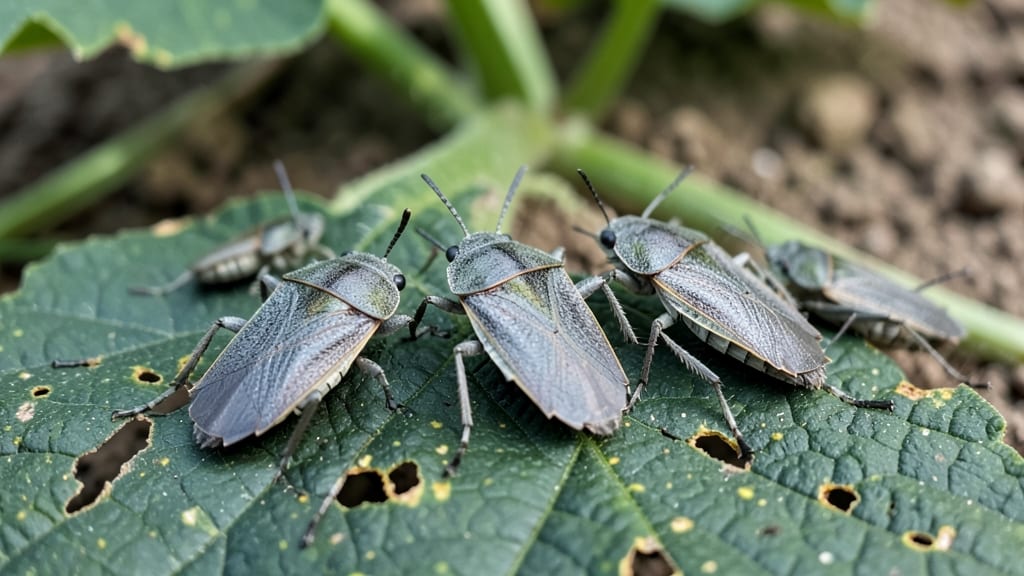
Gray squash bugs can wipe out your entire squash patch in days if you don’t act fast. 🌿 I’ve watched these shield-shaped pests turn thriving vines into skeleton leaves, and I’m sharing the organic spray that finally gave me control—no more losing plants to their piercing mouthparts.
The first sign is tiny yellow eggs clustered under leaves, followed by adults that release a foul odor when disturbed. My breakthrough came when I combined neem oil, insecticidal soap, and a dash of dish soap for extra stickiness—applied at dusk when bugs are most active.
Within a week, new growth stayed untouched. You’ll see fresh leaves unfurling without chewed edges, and the plants will start recovering their vibrant green color. The spray works on cucumbers and melons too, and you can reuse it every 5-7 days until the bugs disappear completely.
This method beats chemical sprays for safety and effectiveness, especially in edible gardens. Here’s exactly how to mix and apply it without harming your plants or pollinators.
Why it happens
Gray squash bugs—those sneaky, shield-backed invaders—don’t just appear out of nowhere. Their presence in your garden is usually a sign of underlying conditions that create the perfect storm for their survival.
Understanding why they target your squash, pumpkins, and cucumbers is the first step to stopping them before they wreak havoc. Let’s break down the science and environmental factors that turn your garden into their all-you-can-eat buffet.
Gray squash bugs thrive in dense, stressed vegetation. When plants are packed too closely together—whether in your garden beds or containers—airflow suffers, creating a humid microclimate. This moisture-loving pest loves the damp, shaded conditions where their eggs can cling to leaves without drying out.
Why does this happen?
- Reduced sunlight exposure: Crowded plants compete for light, weakening their defenses. Weakened plants produce less volatile organic compounds (VOCs), the natural chemical signals that repel pests.
- Higher humidity: Stagnant air traps moisture, which gray squash bugs need for egg survival. Their eggs hatch in just 5–10 days under ideal conditions—faster than you can say “infestation.”
- Easier movement between plants: Bugs can crawl from plant to plant without barriers, spreading faster. A single female can lay up to 50 eggs in her lifetime, so one unchecked plant becomes a breeding ground.
Actionable fix: Space your squash, cucumbers, and melons 3–4 feet apart (or follow seed packet guidelines). Use vertical trellises for vining plants to improve airflow and reduce hiding spots.
Gray squash bugs aren’t picky—they’ll dine on your garden and the weeds growing nearby. Leaves, plant residue, and mulch piles act like bug hotels, offering shelter from predators (like birds and ladybugs) and pesticides. Even “clean” gardens can harbor these pests if hidden in:
- Dry leaf litter under plants
- Thatch in mulch layers
- Weeds like pigweed or lambsquarters (their favorite snack)
Why does this work for them?
These pests are master camouflagers. Their gray, shield-like bodies blend into dead leaves and soil, making them nearly invisible until they’re feasting on your squash. Plus, debris traps moisture, keeping their eggs from drying out—a critical survival tactic.
Actionable fix:
- 🔥 Clear debris regularly: Rake up fallen leaves and old plant matter weekly, especially after harvest.
- 🌿 Mulch strategically: Use straw or shredded leaves (not thick layers of wood chips), and keep mulch 2–3 inches away from plant stems to deter hiding.
- 🌱 Pull weeds aggressively: Focus on broadleaf weeds near your squash patch, as they’re a magnet for these bugs.
Gray squash bugs are temperature-sensitive. While they can survive cold winters as adults, their eggs and nymphs require warmth to hatch and grow. If your garden stays too hot and humid—especially in late summer—they’ll reproduce at an alarming rate.
Here’s the science:
| Temperature Range | What Happens to Gray Squash Bugs |
|---|---|
| <60°F (15°C) | Slow development; adults may go dormant. |
| 60–85°F (15–29°C) | Optimal breeding conditions. Eggs hatch in 5–10 days; nymphs mature in 4–6 weeks. |
| >85°F (30°C) | Adults may seek shade, but eggs still hatch if humidity is high. |
💡 Pro tip: If your region has hot, humid summers, these bugs will explode in numbers. Monitor plants closely in July and August—peak breeding season.
Actionable fix:
- 🌡️ Improve airflow: Use fans on hot days to reduce humidity around plants.
- ⏰ Time your planting: In hot climates, opt for early spring or late summer crops to avoid peak bug activity.
- 💦 Water in the morning: Wet leaves dry faster, reducing humidity and making it harder for eggs to survive.
Plants under stress—whether from drought, nutrient deficiencies, or disease—emit chemical distress signals that attract pests, including gray squash bugs. Think of it like a dinner bell: a struggling plant is an open invitation for these bugs to move in.
Common stress factors:
- Nitrogen deficiency: Yellowing leaves (chlorosis) make plants less resilient.
- Drought stress: Wilting or crispy edges signal weakness.
- Fungal diseases: Powdery mildew or downy mildew create entry points for bugs.
Why does this attract gray squash bugs?
These pests are drawn to sap-rich, weakened tissue. A healthy plant produces bitter cucurbitacins (natural toxins), but stressed plants can’t maintain this defense. Plus, their piercing-sucking mouthparts easily penetrate compromised leaves, making it a free meal.
Actionable fix:
- 💪 Fertilize properly: Use a balanced fertilizer (10-10-10) or compost tea to boost plant health.
- 💦 Water consistently: Aim for 1–1.5 inches per week, keeping soil moist but not waterlogged.
- 🌿 Rotate crops: Avoid planting squash in the same spot yearly to prevent soil-borne diseases.
Quick Fixes for Squash Plant Pests
If you’ve spotted those pesky gray squash bugs wreaking havoc on your garden, don’t panic—there are effective, organic solutions to reclaim your plants. Below, we break down the most common causes of infestations and the practical fixes to stop them in their tracks.
Plus, we’ll share prevention tips to keep your squash thriving long-term.
Gray squash bugs thrive in dense foliage where they can hide and lay eggs. If your plants are packed too tightly, they become a buffet for these pests.
How to Fix It:
- 🌱 Prune aggressively – Remove excess leaves and vines to improve airflow and sunlight penetration. Focus on the undersides of leaves, where bugs love to hide.
- 📏 Space plants properly – Give squash vines 3–4 feet of space between plants to reduce hiding spots.
- 🌿 Mulch strategically – Use straw or grass clippings (not wood chips) to smother eggs and deter adults from climbing up stems.
💡 Pro Tip: If you’re dealing with a severe infestation, consider removing heavily infested plants and composting them far from your garden to prevent reinvasion.
Gray squash bugs lay clusters of tiny, barrel-shaped eggs on the undersides of leaves. If left unchecked, these hatch into nymphs that devour your plants.
How to Fix It:
- 🧼 Handpick eggs daily – Use a soft brush or damp cloth to gently scrape off egg masses. Drop them into soapy water to kill them instantly.
- 🔍 Inspect early morning – Bugs are sluggish in cool temps, making them easier to spot and remove.
- 🌿 Neem oil spray (organic) – Mix 1 tsp neem oil + 1 tsp mild soap + 1 quart water, spray directly on egg clusters, and repeat every 3–5 days.
⚠️ Warning: Avoid harsh chemical sprays—they can harm beneficial insects like ladybugs and lacewings.
Adult gray squash bugs pierce leaves, causing wilting and blackening spots. If you see them crawling around, act fast!
How to Fix It:
- 🕵️♂️ Drop cloth method – Place a large tarp or cardboard under infested plants, then shake or tap the vines to dislodge bugs. Dispose of them in soapy water.
- 🪲 Beer trap (DIY) – Fill a shallow dish with beer or apple cider vinegar, bury it near plants, and cover with plastic wrap (poke small holes). The bugs will crawl in and drown.
- 🌿 Diatomaceous earth (food-grade) – Sprinkle a thin layer around the base of plants and on leaf surfaces. It dehydrates bugs but is safe for plants (reapply after rain).
💡 Pro Tip: Yellow sticky traps can also catch adults—place them near squash plants to monitor and reduce populations.
The best defense is a strong offense. Here’s how to keep gray squash bugs from returning:
- 🌿 Crop rotation – Avoid planting squash, cucumbers, or melons in the same spot for at least 3 years.
- 🛡️ Row covers early – Use lightweight fabric covers when planting to block adults from laying eggs.
- 🐝 Encourage predators – Plant marigolds, dill, or alyssum nearby to attract ladybugs, lacewings, and parasitic wasps, which eat squash bugs.
- 🌡️ Solarization (for severe cases) – In hot climates, cover soil with clear plastic for 4–6 weeks to kill overwintering eggs.
Final Thought: Gray squash bugs are annoying but beatable with consistent effort. Combine manual removal, organic sprays, and preventive planting for the best results. Your squash will thank you with healthy, pest-free harvests! 🎉🍉
Frequently asked questions
How do I tell gray squash bugs apart from other squash pests?
Gray squash bugs have a distinctive gray, shield-shaped body and release a foul odor when crushed. Look for their barrel-shaped egg clusters on leaf undersides—these are key identifiers. Unlike squash vine borers (which tunnel into stems), these bugs feed on leaf surfaces, causing wilting and blackened spots. Compare them to stink bugs (similar shape but more rounded).
Will neem oil work if I already see adult gray squash bugs?
Neem oil is most effective against eggs and nymphs, but it can still help with adults. Mix 1 tablespoon neem oil + 1 teaspoon mild soap + 1 quart water and spray directly on bugs. For faster results, combine it with insecticidal soap or use the drop cloth method to remove adults manually. Reapply every 3–5 days for best results.
Can I use diatomaceous earth around edible squash plants?
Yes, food-grade diatomaceous earth is safe for edible plants when used correctly. Sprinkle a thin layer around the base and on leaf surfaces (avoid overapplying). It dehydrates bugs but won’t harm your plants. Just reapply after rain or watering, as moisture reduces its effectiveness. For extra protection, pair it with yellow sticky traps to catch flying adults.
Why do I keep getting gray squash bugs even after treating my plants?
These pests often return due to hidden eggs or new adults migrating from weeds. Check undersides of leaves daily for fresh egg clusters, and remove nearby weeds like pigweed or lambsquarters (their favorite alternative hosts). Also, ensure you’re treating all susceptible plants (cucumbers, melons, pumpkins) in your garden, not just squash. Rotate your control methods to avoid resistance.