
Picking
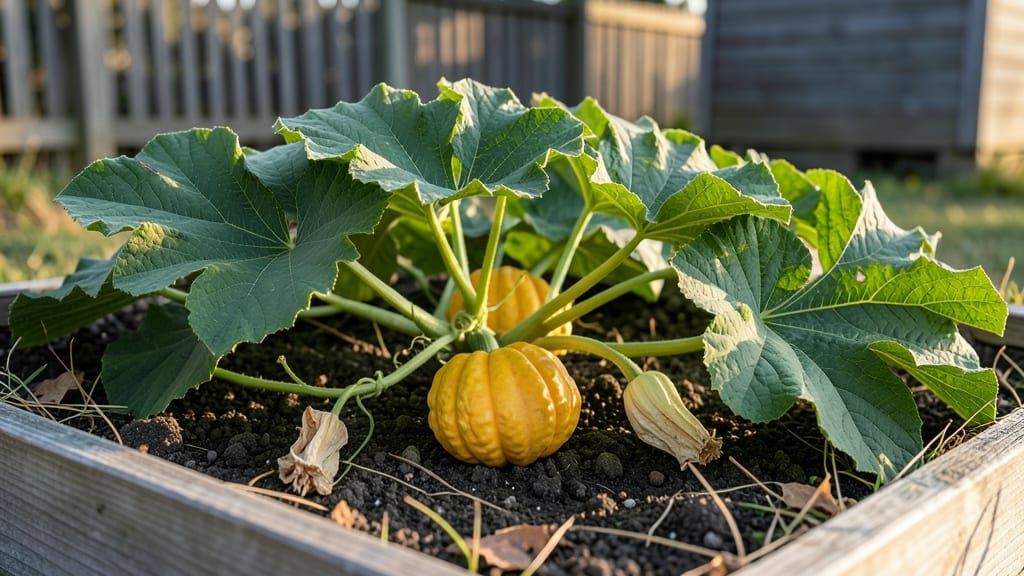
Golden scallop squash thrives where most summer squash fail—cool nights, short seasons, and even containers. 🌱 I’ve grown this variety for three years in my Zone 5 garden, and it’s the only squash that still produces when temperatures dip below 70°F. The secret lies in its cold tolerance and compact growth habit, making it perfect for containers or small spaces.
Start with well-draining soil mixed with compost—this squash hates soggy roots. Plant seeds 1 inch deep after the last frost, spacing them 2-3 feet apart (or 3-4 plants per 5-gallon container). The vines sprawl but stay manageable, and the golden-yellow fruits appear just 45-50 days after planting.
Unlike zucchini, these don’t turn bitter or oversized—they stay sweet and tender, ideal for roasting or grilling.
Keep soil consistently moist but not waterlogged—the biggest mistake is overwatering, which leads to blossom end rot. A morning watering routine and mulch keep roots cool and even out moisture. Watch for squash vine borers by wrapping stems with reflective tape, and treat powdery mildew early with neem oil.
With these steps, you’ll harvest 10-15 perfect scallops per plant all season long.
This variety adapts to partial shade in hot climates and even tolerates light frosts. For containers, choose deep pots with drainage holes and rotate them weekly to ensure even sunlight.
The payoff? A steady harvest from early summer through fall, with minimal fuss. Once you try it, you’ll wonder why you ever grew anything else.
📚 In This Guide
- What you need
- Instructions
- Tips and common mistakes
- Wrapping up and next steps
What you need
- ● Seeds: 3–5 golden scallop squash seeds (heirloom or organic preferred)
- ● Containers or Garden Space: 5–7 gallon fabric grow bags (or 12"+ deep pots with drainage holes)
- ● Well-draining soil mix: 50% potting soil + 50% compost (or 1 part each: soil, compost, perlite)
- ● Sunlight: Full sun (6+ hours daily)
- ● Water: Drip irrigation or watering can with a gentle spray nozzle
- ● Fertilizer: Balanced organic fertilizer (e.g., 5-5-5) at planting
- ● Compost tea or fish emulsion (mid-season for vines)
- ● Pruning shears (for managing vines)
- ● Row covers (to protect from pests or cold snaps)
- ● Trellis or stakes (if growing vertically in small spaces)
- ● pH testing kit (ideal soil pH: 6.0–6.8)
- ● Mulch (straw or shredded leaves to retain moisture)
- ● Wait until after the last frost (soil temp ≥ 60°F/15°C)
- ● Harden off seedlings (if starting indoors) for 7–10 days before transplanting
- ● Ensure containers have drainage holes to prevent root rot
Step-by-step instructions for growing golden scallop squash in containers
Here's how to grow this cold-hardy squash variety successfully in pots for a steady harvest.
🌱 Step 1: Choose and Prepare Your Containers
Golden scallop squash needs 5-gallon containers minimum—I use fabric grow bags because they allow roots to breathe and prevent waterlogging. Make sure each pot has multiple drainage holes and a saucer underneath to catch excess water. If your pots don't have holes, drill 3-4 ½-inch holes in the bottom.
Fill the bottom 2 inches of the container with a coarse mix—half perlite, half small gravel—to improve drainage. This prevents soggy soil, which golden scallop squash hates. Tap the pot gently on the table to settle the drainage layer before adding soil. You'll see the difference in root health when plants grow in well-draining containers.
🌱 Step 2: Plant Seeds at the Right Time and Depth
Start seeds indoors 2-3 weeks before your last frost date or sow directly in containers after all danger of frost has passed. Golden scallop squash thrives in cooler weather, so don't wait until summer heat arrives. Plant 2-3 seeds per container, about 1 inch deep—they're large seeds, so you won't lose them.
Press the soil gently around the seeds to ensure good contact, but don't compact it too much. Space the seeds 3 inches apart in the container. Water lightly after planting—just enough to moisten the soil without disturbing the seeds. Keep the soil consistently moist until germination, which typically takes 7-10 days at 70-80°F.
☀️ Step 3: Provide Sun and Support for Healthy Growth
Golden scallop squash needs 6-8 hours of full sun daily—place containers in the sunniest spot you have. If your patio or balcony gets afternoon shade, supplement with a grow light for 4-6 hours to ensure proper growth. You'll notice leaves turning pale or stretching toward light if they're not getting enough sun.
As vines grow, they'll need support. Install a 5-6 foot tall trellis or tomato cage in each container. Gently weave the vines through the trellis as they grow—this keeps the squash off the ground, prevents rot, and makes harvesting easier. Prune any suckers (side shoots) that form in the leaf axils to direct energy to fruit production.
💧 Step 4: Water and Fertilize for Maximum Yield
Water containers when the top inch of soil feels dry—golden scallop squash has shallow roots and needs consistent moisture, but never soggy soil. I use a drip irrigation system or watering can with a gentle spray to avoid disturbing the soil. Water in the morning so leaves dry quickly, reducing disease risk.
Fertilize every 2-3 weeks with a balanced, 10-10-10 fertilizer or compost tea. You'll see new leaves emerging and vines thickening when the plant is getting enough nutrients. Avoid high-nitrogen fertilizers—they promote leafy growth at the expense of fruit. Once flowers appear, switch to a low-nitrogen, high-phosphorus fertilizer to encourage flowering and fruit set.
✂️ Step 5: Harvest and Maintain for Continuous Production
Golden scallop squash is ready to harvest when the fruits are 3-4 inches in diameter and the skin turns a deep golden color. Use a sharp knife or pruners to cut the stem, leaving 1 inch of stem attached to the fruit. This prevents rot and extends shelf life. Harvest in the morning when fruits are cool and crisp.
After harvesting, check the vines for new flowers and developing squash. This variety produces continuously, so you'll have a steady harvest if you keep up with pruning and fertilizing. Remove any yellow or diseased leaves immediately to keep the plant healthy. With proper care, one plant can produce 8-10 pounds of squash per season in a container.
Tips & tricks for growing golden scallop squash in containers
Here's what I wish I knew when I first grew this reliable squash variety—these tricks make all the difference in container gardening.
Container Selection Wisdom: If you're working with smaller containers than the recommended 5-gallon minimum, consider using self-watering pots with built-in reservoirs. These maintain consistent moisture levels without the risk of overwatering, which is critical for golden scallop squash's shallow roots. I've had great success with 7-gallon fabric grow bags that provide extra room for root expansion while still being manageable for container gardening.
Germination Environment: The 70-80°F temperature range for germination is ideal, but if your home runs cooler, place containers on a seedling heat mat set to 75°F. This consistent warmth helps seeds sprout faster and more uniformly. I've found that using clear plastic domes over containers creates a mini greenhouse effect that speeds up germination by 2-3 days while keeping humidity high.
Support System Strategy: For the 5-6 foot tall trellis recommendation, I suggest installing a lightweight bamboo trellis instead of metal cages. Bamboo is more forgiving if you accidentally bump the trellis, and its natural flexibility helps guide the vines upward without breaking. You can also train the main vine to spiral around the trellis in a clockwise direction—this creates a more compact growth habit and makes harvesting easier.
Fertilizer Timing: When switching to low-nitrogen, high-phosphorus fertilizer after flowers appear, I recommend making this transition as soon as you see the first male flowers (they have a small stem and no squash at the base). Female flowers have tiny squash bumps at their base. This timing ensures you're supporting fruit development from the very beginning, which leads to higher yields of that prized 3-4 inch golden squash.
Pro Tips for Golden Scallop Squash
- Here's what I wish I knew when I first grew this reliable squash variety—these tricks make all the difference in container gardening.
- Container Selection Wisdom: If you're working with smaller containers than the recommended 5-gallon minimum, consider using self-watering pots with built-in reservoirs.
- Germination Environment: The 70-80°F temperature range for germination is ideal, but if your home runs cooler, place containers on a seedling heat mat set to 75°F.
Frequently asked questions
Got questions about growing golden scallop squash? You’re not alone! This cold-hardy variety is a favorite, but it’s smart to know the ins and outs before diving in. Below, we’ve rounded up the most common queries—from planting tips to troubleshooting—to help you grow like a pro.
Can golden scallop squash grow in containers?
This variety thrives in containers as long as they’re at least 5 gallons per plant and have good drainage. Use a lightweight potting mix, and place containers in a spot with 6–8 hours of sunlight daily. Just ensure the container is wide enough for vines to sprawl comfortably.
How long does it take for golden scallop squash to mature?
From seed to harvest, expect 45–55 days in ideal conditions. Start seeds indoors 2–3 weeks before the last frost or sow directly after soil warms to 60°F (15°C). Patience pays off—early blooms mean earlier squash! Pro tip: Thin seedlings to 2–3 feet apart for better airflow and bigger yields.
What can I substitute if I can’t find golden scallop squash?
If this variety is MIA, try these cold-tolerant alternatives:
- Hubbard squash (hardier but slower-growing)
- Delicata squash (edible skin, similar texture)
- Butternut squash (slightly sweeter, needs more warmth)
Why are my golden scallop squash flowers falling off?
This usually means pollination issues—common in cool or rainy weather. Hand-pollinate by transferring pollen with a soft paintbrush from male (long stems) to female (tiny squash at base) flowers. Bonus: Plant near bees’ favorite flowers (like marigolds) to attract natural pollinators.
How do I store harvested golden scallop squash?
Store whole squash in a cool (50–55°F), dry, and dark place (like a pantry) for up to 3 months. Avoid refrigeration—it turns squash mushy! For cut squash, use within 3–5 days or freeze cooked portions. Pro tip: Leave a small stem intact to slow moisture loss.
Wrapping up and next steps
Golden scallop squash is a game-changer for gardeners craving cold-hardy, high-yielding produce—especially in containers! With its reliable harvests and versatile uses, this squash is perfect for both beginners and seasoned growers. Whether you’re saving space or extending your growing season, its easy-care nature makes it a must-try.
Ready to grow your own? Grab your supplies, pick a sunny spot, and get planting! Review the checklist one last time, then dive in—your garden (and taste buds!) will thank you. 🌱