
Picking
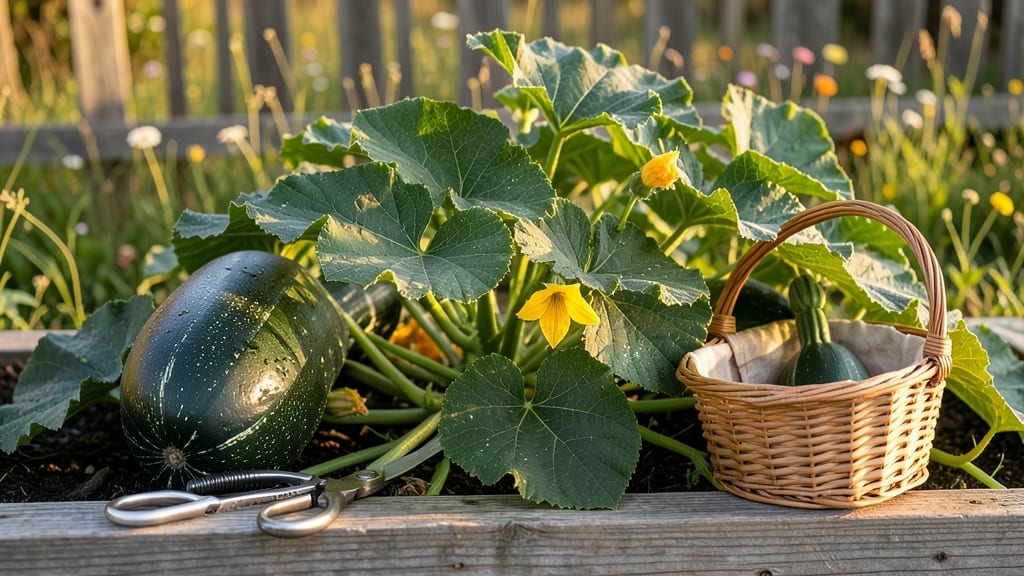
Growing giant zucchini squash is like unlocking a summer secret—those 30-pound monsters prove you can grow more than you ever imagined. 🌱 The key isn't just the right seeds (though 'Big Jim' or 'Delicious' are my go-tos), but the way you treat them from soil to harvest.
I've gone from struggling with tiny, bitter squash to pulling 50-pound beauties that make neighbors ask for cuttings—here's how.
Start with rich, well-draining soil mixed with compost, and plant seeds 1-2 inches deep after your last frost when soil hits 60°F. These squash are sun-worshippers, so give them full sun (6+ hours daily) and space—3-4 feet between plants—because they spread like a hungry vine.
Watering is the real game-changer: keep soil consistently moist (not soggy) to fuel those massive fruits, and mulch heavily to retain moisture.
By mid-summer, you'll see the first foot-long tendrils and giant leaves—this is when pests like squash bugs and powdery mildew try to crash the party. I spray neem oil preventatively and handpick bugs daily.
Harvest when squash reach 12-18 inches long (yes, they get bigger if you wait!) using a knife to avoid damaging the vine. One plant can produce 10+ squash if you stay on top of it.
The best part? These squash keep producing all season long—even into fall if you protect them from frost. Store harvested squash in a cool, dry place, and you'll have homegrown zucchini bread (or fried squash) straight from your garden.
Ready to grow your own record-breaker? Let's get those seeds in the ground.
📚 In This Guide
- What you need
- Instructions
- Tips and common mistakes
- Wrapping up and next steps
What you need
- ● Seeds: High-yielding, heavy-producing zucchini varieties like 'Black Beauty', 'Big Boy', or 'Eight Ball' (5–10 seeds per plant; save extras for next season!).
- ● Growing Space: Full sun (6–8+ hours daily) in a well-draining soil bed (raised beds or in-ground).
- ● Space: 3–4 feet between plants (they spread!), 5–6 feet between rows.
- ● Soil Prep: Compost (2–3 inches mixed into top 6–12 inches of soil).
- ● Balanced fertilizer (10-10-10 or organic options like fish emulsion or bone meal).
- ● pH test kit (aim for 6.0–7.0; amend with lime or sulfur if needed).
- ● Watering Supplies: Drip irrigation or soaker hose (to keep soil consistently moist, not soggy).
- ● Watering can (for seedlings).
- ○ Support (Optional but Helpful): Straw or mulch (to retain moisture and deter weeds).
- ● Trellis or cage (for varieties that vine aggressively).
- ● Pruning shears (to trim excess vines and encourage fruit growth).
- ● Row cover or shade cloth (for early seedlings or hot climates).
- ● Plant markers (to track varieties and avoid confusion).
- ● Harvesting gloves (zucchini can get spiky when overripe!).
- ● Food-safe spray (neem oil or insecticidal soap for pest control).
Step-by-step guide to growing giant zucchini squash
Here’s how to cultivate those massive, prize-worthy zucchini—no fancy tricks, just proven techniques.
🌱 Step 1: Choose the Right Variety and Plant in Warm Soil
Select a heavy-bearing variety like 'Big Boy,' 'Eight Ball,' or 'Black Beauty'—these are bred for size and productivity. Plant seeds directly in the garden after all danger of frost has passed, when soil temperatures reach at least 60°F. I like to wait until late spring when the ground feels warm to the touch—usually 2-3 weeks after your last frost date.
Dig planting holes 1 inch deep and space them 3-4 feet apart in rows 5-6 feet apart to give vines room to sprawl. Zucchini are sensitive to cold, so never plant in chilly soil—they’ll rot before they sprout. If your spring is cool, consider using black plastic mulch to warm the soil faster.
☀️ Step 2: Provide Full Sun and Consistent Moisture
Zucchini thrive in full sun (6-8 hours daily)—position them where they’ll get morning light and afternoon shade if your summers are scorching. I’ve found that drip irrigation keeps leaves dry and prevents powdery mildew, a common issue with giant varieties. Water deeply 1-2 times per week, aiming for 1 inch of water per week, and always water at the base to avoid wetting foliage.
Watch for wilting in the afternoon—that’s your cue to water immediately. Giant zucchini need steady moisture, especially when fruit begins to swell. Mulch with straw or shredded leaves to retain soil moisture and keep roots cool. Avoid overhead watering once plants are established; wet leaves invite fungal diseases.
🌿 Step 3: Fertilize for Heavy Production and Prune Strategically
Feed plants with a balanced fertilizer (10-10-10) when vines start to run, then switch to a low-nitrogen, high-phosphorus formula (5-10-10) once flowers appear. I side-dress with compost mid-season to boost organic matter—giant zucchini are heavy feeders. Too much nitrogen will give you lots of leaves but few squash, so hold off until flowering begins.
Prune suckers (the small shoots that form in the leaf axils) to direct energy into fruit production. Remove any yellowing or diseased leaves immediately—zucchini are susceptible to powdery mildew, and once it takes hold, it spreads fast. Pinch off male flowers if you’re not ready for fruit (they’ll have a small stem and no bulb at the base), but leave female flowers (they’ll have a tiny squash at the base) to set fruit.
✂️ Step 4: Harvest at Peak Size for Continuous Production
Harvest when squash reach 6-8 inches long—this is the sweet spot for giant varieties. Check plants every 2-3 days in peak season; overripe zucchini turn seedy and tough. Use a sharp knife or pruners to cut stems, leaving ½ inch of stem attached to prevent rot. I’ve found that harvesting early encourages more fruit to set, extending the season.
Store harvested squash in a cool, dark place (50-55°F) for up to 2 weeks. If your plants keep producing but you can’t keep up, thin the vines—remove the oldest fruit to redirect energy to newer ones. Giant zucchini are prolific, so stay on top of harvesting or you’ll end up with a garden full of football-sized squash!
🌱 Step 5: Extend the Season with Row Covers and Succession Planting
For a year-round harvest, use floating row covers in early spring or late fall to protect plants from cold snaps. Remove covers during the day to allow pollination—zucchini need bees! I’ve grown giant varieties well into October in my zone by using row covers and mulching heavily to insulate roots.
For a continuous supply, succession plant seeds every 2 weeks after the first frost date. This ensures you always have young plants producing while older ones wind down. In warm climates, you can even plant a fall crop as early as mid-summer, using shade cloth to protect young seedlings from intense afternoon sun.
Tips & tricks for cultivating prize-worthy zucchini
Here's what I've learned after growing these giants for years—these tricks make all the difference between decent zucchini and showstopping harvests.
Soil Temperature Secret: I test soil readiness by pressing my finger into the ground—if it feels warm enough to hold a bare hand for 5 seconds, it's ready. For cooler springs, lay black plastic mulch 1-2 weeks before planting to raise soil temps faster. This jumpstarts growth and prevents the "waiting game" that frustrates gardeners.
Sunlight Strategy: Those 6-8 hours of daily sun are non-negotiable, but positioning matters. Place your plants where they get morning sun and afternoon shade if your summers are brutal—this prevents leaf scorch while still maximizing photosynthesis. I've seen plants in full afternoon sun develop crispy edges that never recover.
Watering Wisdom: The 1 inch per week guideline works, but timing is everything. Water deeply in the morning so foliage has all day to dry—this prevents powdery mildew, which can wipe out a giant variety in weeks. I use a rain gauge to track accumulation and supplement with drip irrigation on dry spells.
Fertilizer Timing: When you switch to that 5-10-10 fertilizer at flowering, do it in the morning so roots have all day to absorb nutrients. I've found that side-dressing with compost 3 weeks after flowering begins gives that extra boost for heavy fruit production without overwhelming the plants.
Pro Tips for Giant Zucchini Squash
- Here's what I've learned after growing these giants for years—these tricks make all the difference between decent zucchini and showstopping harvests.
- Soil Temperature Secret: I test soil readiness by pressing my finger into the ground—if it feels warm enough to hold a bare hand for 5 seconds, it's ready.
- Sunlight Strategy: Those 6-8 hours of daily sun are non-negotiable, but positioning matters.
Frequently asked questions
about growing and harvesting giant zucchini squash—because even the best gardeners need a little help!How long does it take for giant zucchini squash to mature?
Giant zucchini squash typically takes 50–60 days to mature from transplanting (or 60–70 days from direct seeding). However, if you're aiming for monster-sized squash (10+ lbs!), give them 70–90 days—patience is key! Monitor vines for small, marble-sized fruits first, then let them grow bigger.
Why isn’t my zucchini growing bigger than a tennis ball?
Several factors can stunt growth: overcrowding (give plants 3–4 feet of space), underwatering (soil should stay consistently moist but not soggy), or nutrient deficiencies (feed with compost or a balanced fertilizer every 2–3 weeks). Prune excess flowers to redirect energy to fruit growth—too many blooms can overwhelm the plant!
Can I grow giant zucchini in containers or small spaces?
Yes! Use a large container (at least 15–20 gallons) with dwarf or bush varieties like ‘Eight Ball’ or ‘Black Beauty.’ Ensure it has drainage holes and place it in full sun (6+ hours/day). Pro tip: Train vines vertically with a trellis to save space and improve airflow, which reduces disease risk.
How do I know when to harvest giant zucchini for maximum size?
Harvest when squash reaches 6–12 inches long and 1–3 lbs in weight for ideal flavor and texture. For giant squash (10+ lbs), wait until the skin hardens slightly and the stem dries out—but check weekly! Overripe squash becomes seedy and tough. Use a sharp knife or pruners to cut stems, leaving a 1-inch stub to prevent rot.
What’s the best way to store giant zucchini squash long-term?
Store in a cool (50–55°F), dark, and humid (85–90%) place like a root cellar or pantry. Wrap individual squash in paper towels and place in plastic bags with holes to retain moisture. Giant varieties last 2–4 weeks—for longer storage, pickle, freeze, or roast them! Avoid refrigeration until fully ripe, as cold temps turn starches to sugar, ruining texture.
Do I need to pollinate zucchini flowers by hand for giant squash?
Not usually! Zucchini are self-pollinating, but if you’re growing in greenhouses or low-wind areas, hand-pollination can boost yields. Use a soft paintbrush to transfer pollen from male (long stem) to female (tiny squash at base) flowers in the morning. Bonus: Bees love zucchini blooms—plant bee-friendly flowers nearby to attract them naturally!
Wrapping up and next steps
Growing giant zucchini squash is a rewarding challenge that pays off with bountiful harvests—if you’re patient and strategic! 🌱 By selecting the right varieties, optimizing soil health, and mastering pollination tricks, you can turn your garden into a zucchini powerhouse.
Whether you’re a seasoned gardener or a curious beginner, these secrets will help you consistently produce those massive, ribbed beauties.
Now that you’re armed with the know-how, roll up your sleeves and get planting! Start small with a few vines, experiment with companion plants, and keep track of what works best in your climate.
Before you know it, you’ll be sharing (or canning!) your record-breaking zucchini squash with neighbors—and bragging rights! 🎉