
Diseases
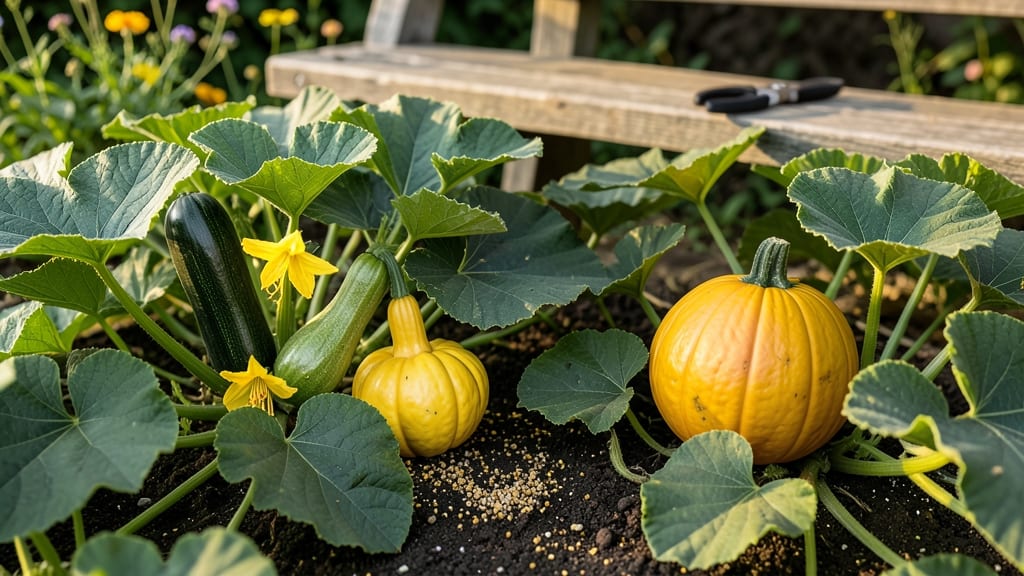
The difference between yellow and green squash might surprise you—these summer staples aren’t just different colors, but distinct varieties with unique flavors, textures, and growing habits that change how you harvest and cook them. 🌱 I’ve grown both for years, and the first clue is right in the name: yellow squash (like yellow crookneck) tastes sweeter and milder, while green squash (like zucchini) has a slightly grassier bite when raw.
The skin also gives it away—yellow varieties develop a waxy, golden-yellow rind when ripe, while green squash stays matte and firm.
Harvest timing is another game-changer: yellow squash should be picked when the skin is tender and the stem snaps easily, usually around 55-60 days after planting. Green squash, like zucchini, stays productive for weeks if harvested young—wait until they're 6-8 inches long before picking.
Both varieties thrive in warm soil and need consistent watering, but yellow squash tends to sprawl more, while zucchini grows upright and bushier, making it ideal for smaller gardens.
Nutritionally, they're nearly identical—both are packed with vitamin C and fiber—but their culinary uses differ. Yellow squash shines in creamy soups or grilled dishes where its sweetness stands out, while green squash excels in stir-fries, spiralized noodles, or baked goods.
The best part? You can grow both side by side in the same plot—they just need different handling once they hit your kitchen.
If you're torn, start with zucchini for versatility and yellow crookneck for flavor—then experiment with other varieties like pattypan or straightneck. Both are foolproof for beginners, and once you taste the difference, you'll never confuse them again.
The key is paying attention to those three visual cues: color, skin texture, and size at harvest.
The first product explained
Let’s kick things off with a classic: the yellow squash—a vibrant, crowd-pleasing favorite in kitchens everywhere! 🌞🍽️ Whether you’re roasting, sautéing, or whipping up a creamy soup, this versatile veggie is a go-to for home cooks and chefs alike. Here’s what makes it stand out:
📏 Specs & Features
- Color: Bright, sunny yellow (sometimes with a slight green stem or blossom end).
- Shape: Elongated and cylindrical, tapering slightly at the ends. Think of a mini football or a slightly curved zucchini’s bigger cousin.
- Size: Typically 6–9 inches long and 2–3 inches wide, with a smooth, slightly ribbed skin.
- Texture: Firm but tender when cooked; skin is edible and thin enough to eat (though many peel it for a smoother texture).
- Flavor: Mild, slightly sweet, and nutty—like a cross between a zucchini and a sweet potato.
- Nutrition (per 1 cup, raw):
- 📊 Calories: 31 kcal
- 💪 Vitamin C: 28% DV
- 🥗 Vitamin A: 20% DV
- 🍎 Fiber: 2g (7% DV)
🎯 Target Users
Yellow squash is a must-have for:
- Home cooks who love easy, one-pan meals (think spaghetti squash alternatives or roasted medleys).
- Health-conscious eaters seeking low-calorie, nutrient-packed sides.
- Beginners in the garden—it’s hardy, fast-growing, and prolific!
- Anyone who enjoys creamy textures (blended into soups, casseroles, or even fritters).
💰 Price Point & Availability
Yellow squash is affordable and widely available, making it a pantry staple:
- Cost: Typically $1–$3 per squash, depending on season and location. Bulk bins or farmers' markets often offer the best deals!
- Season: Peaks in summer and early fall (June–October in the U.S.), but store-bought varieties are available year-round.
- Where to Buy: Grocery stores (produce section), farmers' markets, or even your own backyard if you’re growing it!
Pro tip: 💡 Look for squash that’s firm, heavy for its size, and free of soft spots or wrinkled skin—these are signs of freshness!
The second product explained
Now, let’s dive into green squash—the vibrant, nutrient-packed cousin of its yellow sibling! 🌿 Whether you're a home cook, gardener, or health-conscious eater, understanding this variety will help you pick the perfect squash for your needs.
📏 Specs & Features
Green squash, often called zucchini (when young) or summer squash, comes in a variety of shades, from deep forest green to bright lime. Here’s what sets it apart:
- Size: Typically 6–12 inches long, with a smooth, slightly ribbed skin.
- Texture: Firm and tender when young; slightly seedy and denser as it matures.
- Flavor: Mild, slightly sweet, and grassy—great for both raw and cooked dishes.
- Nutrition: Packed with vitamin C, potassium, and fiber (📊 ~33 calories per cup, raw).
🎯 Target Users
Green squash is a versatile powerhouse loved by:
- Home cooks who enjoy quick, fresh meals (think stir-fries, salads, or grilled slices!).
- Health enthusiasts seeking low-calorie, high-fiber veggies.
- Gardeners who prefer fast-growing, prolific plants (harvest in just 45–55 days!).
- Beginners in the kitchen—its mild taste makes it forgiving for new recipes.
💰 Price Point & Availability
Green squash is affordable and widely available year-round (though peak season is summer/fall). Prices typically range from:
- $0.50–$1.50 per squash (farmers' markets or grocery stores).
- $2–$4 per pound for organic or heirloom varieties.
- Bulk discounts often apply at wholesale clubs or seasonal sales.
Pro tip: 💡 Buy smaller squash for the tenderest texture—they’re sweeter and less seedy!
Head-to-head comparison
Now that you’ve got the basics down, let’s dive into a side-by-side comparison of yellow and green squash—because sometimes, the differences go beyond just color! Whether you're a chef, gardener, or curious foodie, these distinctions will help you pick the perfect squash for your dish (or your garden). 🥄🍽️
🌱 1. Appearance & Visual Cues
At first glance, the color is the most obvious difference, but there’s more to it than meets the eye!
- Rind Texture:
- Yellow Squash (e.g., Butternut, Delicata): Smooth, slightly ribbed, or bumpy (like Delicata’s striped skin).
- Green Squash (e.g., Zucchini, Acorn): Often rougher or more textured, with bumps or ridges (think of a zucchini’s waxy skin or acorn’s warty exterior).
- Shape:
- Yellow: Bulbous (butternut), cylindrical (yellow crookneck), or oblong with ridges (Delicata).
- Green: Long and slender (zucchini), round with a neck (acorn), or globular (pattypan).
- Stem & Flower End:
- Yellow: Often has a woody stem and a blunt, rounded end where the flower was.
- Green: Typically features a softer, leafy stem and a slightly indented or flared flower end (especially in zucchini).
💡 Pro Tip: If you’re unsure, check the stem—yellow squash stems are usually tougher and less leafy than green varieties!
🍽️ 2. Flavor & Culinary Uses
The color isn’t just for show—it often hints at the taste and best ways to cook these squashes!
| Category | Yellow Squash | Green Squash |
|---|---|---|
| Flavor Profile | Sweeter, nuttier, and often more mellow (think butternut’s caramel-like notes). | Milder, slightly grassy or earthy (zucchini is the most neutral), with a fresh, summery taste. |
| Best Cooking Methods |
|
|
| Texture When Cooked | Drier, firmer, and more substantial (great for hearty dishes). | Softer, more delicate, and absorbs flavors quickly. |
🔥 Hot Tip: Yellow squash shines in longer-cooked dishes, while green squash excels in quick, fresh, or high-heat prep!
💰 3. Price & Seasonal Availability
Your wallet (and pantry) will thank you for knowing these differences!
- Cost:
- Yellow Squash: Often pricier due to longer growing seasons (e.g., butternut squash can cost $1–$3 per pound).
- Green Squash: Generally more affordable ($0.50–$2 per pound), especially zucchini, which is abundant in summer.
- Season:
- Yellow: Fall/winter dominant (butternut, acorn). Some varieties (like yellow crookneck) appear in late summer.
- Green: Summer peak (zucchini, pattypan), though some green types (like green Hubbard) last into fall.
- Storage:
- Yellow: Lasts weeks to months in a cool, dark place (butternut can keep for 2–3 months).
- Green: Best eaten within days to a week (zucchini wilts fast—use it up or pickle it!).
🌡️ Storage Hack: Yellow squash hates humidity—store it in a dry, well-ventilated spot. Green squash? Keep it stem-side down in the fridge for freshness!
🌿 4. Nutritional Differences
Beyond taste, these squashes pack different nutritional punch—here’s how they compare!
| Nutrient | Yellow Squash (per 1 cup, cooked) | Green Squash (per 1 cup, cooked) |
|---|---|---|
| Calories | ~80–100 kcal (butternut is higher due to natural sugars). | ~20–35 kcal (zucchini is one of the lowest-calorie veggies!). |
| Vitamin A (eye & immune health) | ~400–600% DV (yellow is a powerhouse!). | ~10–30% DV (green has some, but not as much). |
| Fiber (digestive health) | ~3–5g (butternut’s skin adds extra fiber!). | ~1–2g (zucchini is softer and less fibrous). |
| Potassium (heart health) | ~500–700mg (great for blood pressure!). | ~200–300mg (still good, but not as high). |
Vitamin C (immune
Which one should you choose?So, which squash should you pick? The answer depends on your needs—whether you're whipping up a cozy dish, stocking up for health benefits, or just trying to avoid a grocery store mix-up! 🥕 Here’s a quick verdict to help you decide: 🍽️ For Cooking & FlavorIf you're a home cook or chef, yellow squash (zucchini) is your go-to for versatility. Its mild, slightly sweet flavor pairs perfectly with pasta, grilling, or stir-fries. Meanwhile, green squash (summer squash) shines in creamy soups, baked dishes, or as a fresh side. Pro tip: 💡 If you love roasted squash, try both—their textures contrast beautifully! 💪 For Nutrition & HealthBoth are nutrient powerhouses, but green squash edges out slightly in fiber and vitamin A, making it ideal for digestion and immunity. Yellow squash, however, has a higher water content (great for hydration!) and is lower in calories. Health win: 🌡️ Both are low-glycemic, so they’re great for blood sugar management. 🛒 For Grocery & StorageYellow squash (zucchini) is easier to find year-round and stores well in the fridge for up to a week. Green squash (like yellow crookneck) may be seasonal but lasts just as long. Storage hack: ✨ Wrap them in a paper towel to keep them crisp longer! 🎯 Final Recommendation
No wrong choice here—just pick what excites your taste buds (and your meal plan)! 😊 |