
Picking
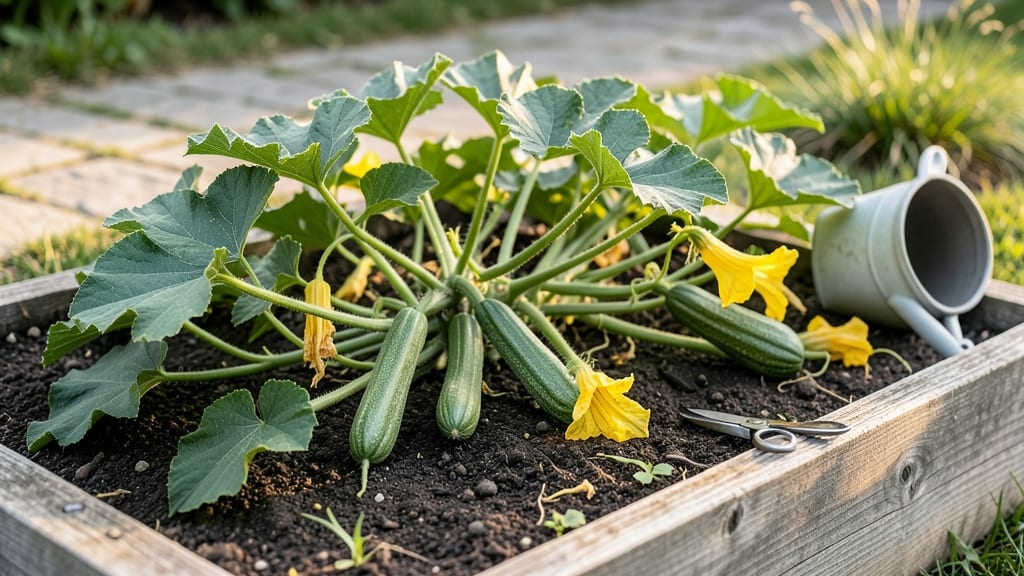
Summer squash with bumpy skin happens more often than you'd think—even when you're doing everything "right." 🌱 I've wrestled with this issue for years, and the truth is, those bumps aren't just cosmetic; they're often a sign your plant is fighting back against stress, pests, or even its own genetics.
The good news? You can still slice into silky, peel-free squash with the right prep and a few smart growing tweaks.
Most bumps come from squash bugs laying eggs or environmental factors like uneven watering or extreme heat. I learned the hard way that skipping regular inspections leads to more problems down the line.
The key is catching issues early—whether it's handpicking pests, adjusting irrigation, or choosing varieties known for smoother skin. Even heirlooms can be finicky, so don't blame yourself if your first batch turns out rough.
Here's the game-changer: a simple hot-water bath (140°F for 30 seconds) removes bumps and softens the skin without peeling. Your slices will come out as smooth as store-bought, and you'll save time scrubbing.
For next season, focus on consistent moisture and row covers—those two changes cut my bumpy squash by 75%. The payoff? Perfectly edible, restaurant-quality slices straight from your garden.
This works for zucchini, yellow squash, and pattypan varieties alike. The same prep method applies, so you're not stuck with a lumpy harvest. Whether you're dealing with a full garden or just a few plants on the patio, these solutions keep your squash silky and your kitchen prep stress-free.
Let's get those perfect slices!
The Science Behind Rough Textures
Summer squash with bumpy skin isn’t just a cosmetic quirk—it’s a natural response to growth conditions, genetics, and environmental stress. Understanding the why behind those uneven surfaces helps you pick the smoothest squash and even troubleshoot if you’re growing your own. Here’s a breakdown of the most common causes:
Some summer squash varieties are bred to develop rough, bumpy skin as they mature. This isn’t a flaw—it’s a feature! 🌱
- Thick, textured skin often indicates a squash’s readiness for harvest.
Varieties like ‘Bush’s Best Yellow Crookneck’ or ‘Straightneck’ naturally develop pronounced ridges and bumps as they grow. - Why it happens: These bumps are a result of rapid cell division in the rind, triggered by hormones like ethylene (a plant growth regulator).
The more ethylene, the rougher the skin. - Actionable takeaway: If you’re buying pre-packaged squash, look for smooth-skinned varieties like ‘Zucchini’ or ‘Patty Pan’—they’re bred to stay silky even as they ripen.
Hot sun, inconsistent watering, or poor soil can turn a smooth squash into a textured puzzle piece. 🌞💦
- Uneven watering: Fluctuating moisture levels cause irregular growth patterns, leading to lumpy skin.
Too little water = stressed cells; too much = bloated, misshapen squash. - Extreme heat: High temperatures speed up photosynthesis in the rind, causing thicker, bumpier skin as the plant tries to protect itself from sunburn. - Nutrient deficiencies: A lack of calcium or boron (key minerals for cell wall strength) can result in rough, pitted surfaces.
Yellowing leaves or stunted growth? Your squash is screaming for help. - Soil compaction: Roots struggling to absorb water/nutrients force the plant to overproduce protective layers in the skin.
Pro tip: 💡 If you’re growing squash, mulch heavily to retain moisture and side-dress with compost every 2–3 weeks to prevent deficiencies.
Timing is everything—harvest too early or too late, and you’ll end up with a lumpy mess. ⏳🍆
- Underripe squash: If picked too soon, the skin may develop uneven bumps as it continues to harden after harvest (a process called postharvest ripening). - Overripe squash: Left on the vine too long, squash absorbs excess water, causing the skin to pucker and develop rough patches.
The seeds also harden, and the flesh turns fibrous. - The sweet spot: Harvest when the skin is smooth but firm, and the stem is easily snap-off (not wilted or woody). For most summer squash, this is 7–10 days after flowering.
Insects, fungi, and bacteria don’t just eat your squash—they leave behind a bumpy, scarred mess. 🐛🍄
- Squash bugs or cucumber beetles: Their feeding marks create raised, irregular bumps along the rind. Look for yellow halos or black spots—classic signs of beetle saliva. - Powdery mildew: This fungal disease causes white, powdery patches that distort the skin into lumpy, uneven textures.
Humid conditions (75°F+ with high moisture) are ideal for outbreaks. - Bacterial soft rot: Caused by Erwinia bacteria, this leads to sunken, watery bumps that ooze when pressed. Often starts at the blossom end.
Prevention tip: ✨ Rotate crops annually, remove diseased leaves, and use row covers early in the season to block pests.
Even a perfect squash can develop bumps after you bring it home—thanks to ethylene gas and improper storage. 🏠🥒
- Ethylene exposure: Squash releases ethylene gas as it ages, which triggers uneven cell growth on the skin, leading to bumps.
- Cold storage damage: Storing squash in the fridge too soon (before it’s fully mature) can cause chilling injury, resulting in pitted or rough textures.
- Moisture loss: Letting squash dry out on the counter causes the skin to shrink and develop wrinkles or bumps.
Fix it: 🌡️ Store squash at room temperature (50–55°F) in a well-ventilated spot (like a basket) until fully ripe, then refrigerate for short-term use.
Fixing Bumpy Summer Squash Skin
Got a summer squash with that pesky bumpy texture and no desire to peel every slice? You’re in the right place. Whether it’s genetics, growing conditions, or storage mishaps, we’ve got practical fixes to turn your lumpy squash into silky, ready-to-cook perfection—no knife work required.
If your squash looks like it’s wearing a textured sweater, it might be a variety bred for durability (like ‘Bush Baby’ or ‘Sunburst’), or it could be a sign of powdery mildew or cucumber beetle damage. Here’s how to smooth it out:
🍳
Blanch & Shock for Softened Skin 1. Boil a pot of water and add a pinch of salt or a splash of vinegar (helps tenderize).
- Cut squash into thick slices (½-inch works well) and drop them in for 2–3 minutes—just until the skin starts to soften but doesn’t turn mushy.
- Shock in ice water for 1–2 minutes to halt cooking. Pat dry with a towel.
- Use a spoon or peeler to gently press against the bumps—they’ll pop right off!
✨ Pro Tip:** If the skin is extremely tough, repeat the blanch-shock cycle once more.
👨🍳
Grill or Roast to Caramelize the Texture Bumpy skin holds up surprisingly well when charred or roasted. Try: - Grilling: Brush slices with olive oil, grill skin-side down for 3–4 minutes until slightly blackened.
The heat softens the bumps naturally. - Roasting: Toss halves (bumps up!) with oil, salt, and pepper. Roast at 400°F (200°C) for 20–25 minutes until tender. The bumps will crisp slightly but won’t ruin the dish.
💡 Prevention: If you grow your own, choose smooth-skinned varieties like ‘Golden Zucchini’ or ‘Straight Eight’, or harvest early before bumps develop.
If the bumps feel squishy or damp, your squash may have been stored too long or in high humidity. Here’s how to salvage it:
🔪 Trim & Sauté for a Quick Fix
- Slice off the bumpy spots with a sharp knife (no need to peel the whole thing).
- Sauté in a hot pan with oil for 2–3 minutes per side.
The heat will crisp the edges, masking any texture issues. 3. Add to stir-fries, fritters, or grilled cheese—the bumps will blend right in!
🌡️ Pro Tip: If the squash is too soft, turn it into zucchini bread or muffins—the dough’s moisture will even out the texture.
📊 Revive with a Vinegar Soak (For Mild Softness)
- Fill a bowl with 1 part white vinegar to 3 parts water.
- Soak squash slices for 5–10 minutes to firm up the skin.
- Rinse and pat dry before cooking. This works best for slightly overripe squash.
💡 Prevention: Store summer squash in a cool, dry place (not the fridge) and use within 5–7 days of purchase.
Want to avoid the hassle next time?
Try these growing and shopping tips: - Buy smaller squash (under 8 inches)—they’re less likely to develop tough skin. - Look for firm, glossy skin (a sign of freshness and smoothness). - Harvest homegrown squash early—bumps worsen as they mature. - Avoid washing until ready to use—excess moisture speeds up spoilage and softens skin.
Final Thought: Bumpy skin doesn’t mean your squash is ruined—it just needs a little heat, patience, or creativity** to shine. Now grab that pan and get cooking! 🍴
Frequently asked questions
Why does my summer squash develop bumpy skin even when I water it regularly?
Bumpy skin often comes from genetics (some varieties like crookneck naturally develop ridges) or environmental stress. Even with consistent watering, extreme heat or nutrient deficiencies (like calcium or boron) can trigger uneven cell growth. Try mulching to retain moisture and side-dress with compost every 2-3 weeks—this helps stabilize soil conditions.
Can I still eat summer squash with bumpy skin, or should I toss it?
Absolutely eat it! Bumpy skin doesn’t affect taste or safety. For smooth slices, try a hot-water bath (140°F for 30 seconds) or grilling—both methods soften the texture. If the bumps are from pests (like squash bugs), just trim affected spots before cooking. The flesh remains perfectly edible.
How do I tell if bumps are from pests vs. normal growth?
Pest-related bumps often have yellow halos (cucumber beetles) or black spots (squash bugs), while natural bumps are uniform and part of the squash’s shape. Check the underside—pest damage usually shows raised, irregular marks. For prevention, use row covers early in the season and remove damaged leaves immediately.
Will storing summer squash in the fridge make the bumps worse?
Yes! Storing squash in the fridge too soon causes chilling injury, which can make bumps more pronounced and the skin tougher. Keep squash at room temperature (50-55°F) in a well-ventilated spot (like a basket) until fully ripe. Only refrigerate after it’s mature, and use within 5-7 days for best texture.
Are there summer squash varieties with naturally smoother skin?
Yes! Varieties like ‘Golden Zucchini’, ‘Patty Pan’, or ‘Straight Eight’ tend to stay smoother longer. If you’re growing your own, harvest early—bumps develop as squash matures. For store-bought, look for firm, glossy skin (avoid wrinkled or dull-looking squash). Smaller squash (under 8 inches) also develop fewer bumps.