
Picking
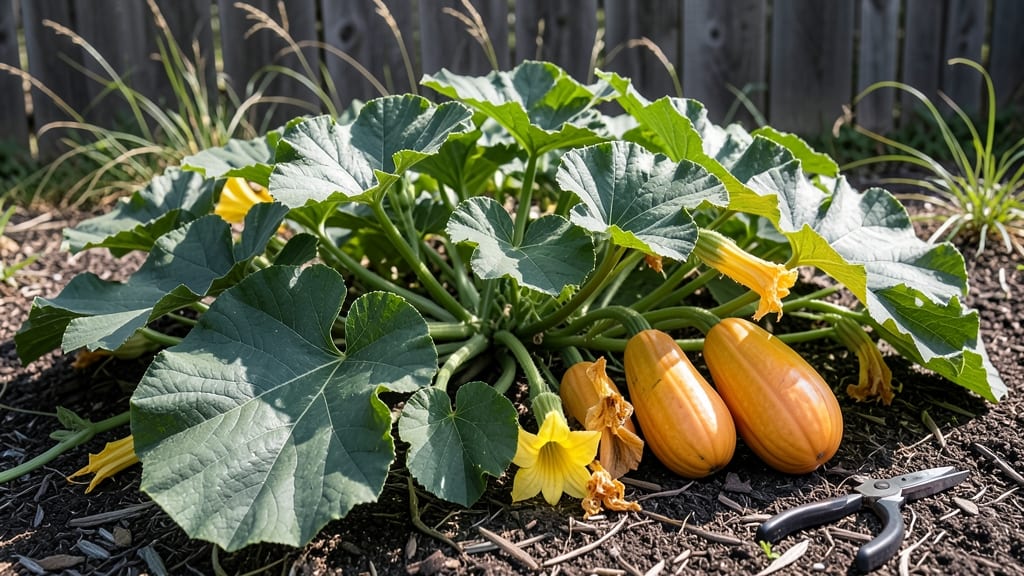
Orange crookneck squash transforms your garden into a golden treasure trove. 🌱 These twisting vines produce sweet, nutty squash that ripen faster than straight-necked varieties—perfect for gardeners craving early harvests.
I planted mine in late May and had my first ripe squash by mid-July, beating the heat and pests at their own game. The secret lies in well-draining soil, full sun, and consistent moisture—no fancy equipment needed. Just a 3-foot-wide row, 2-3 feet between plants, and a little patience.
They thrive in containers too, making them ideal for small spaces or urban gardens. When ripe, the neck curves dramatically and the skin turns a rich orange. Harvest before the seeds get too hard for the best flavor—think butternut meets zucchini, but with a unique twist.
One plant can yield 8-12 squash, enough for roasting, grilling, or stuffing all season. Fair warning: these vines spread fast, so plan your garden layout carefully. But once you taste that first homegrown squash—warm, sweet, and impossible to find in stores—you’ll be hooked for life.
📚 In This Guide
- What you need
- Instructions
- Tips and common mistakes
- Wrapping up and next steps
What you need
- ● Sharp pruning shears or garden scissors – A clean, sterilized pair (like blank">Felco F-2) to avoid disease spread. Must be sharp!
- ○ Gloves (optional but recommended) – Heavy-duty garden gloves (e.g., blank">Gloves USA) to protect from prickly vines and thorns.
- ● Harvest basket or shallow tray – A breathable container (like a blank">wire mesh basket) to prevent bruising.
- ● Water spray bottle (small, 8–16 oz) – For a quick rinse if squash is dusty or dirty.
- ○ Markers or labels (optional) – If saving seeds, use blank">acid-free tags to note varieties.
- ● Mature crookneck squash plants – Vines should be at least 6–8 weeks old with 3–5 foot-long tendrils (signs of readiness!).
- ● Sunny, dry morning – Pick between 8 AM–10 AM to avoid wilting from heat.
- ● Knowledge of "don’t touch" zones – Avoid squash with soft spots, mold, or cracks—these won’t store well.
- ● 💡 Bring a small knife – For trimming vines 1–2 inches below the squash to encourage more growth.
- ● 🌡️ Check skin color – True orange (not green!) with a hard, dull rind = peak ripeness.
- ● 🎯 Leave 1–2 squash per vine – Overpicking stresses plants; let a few mature for seeds!
Step-by-Step instructions for growing orange crookneck squash
Here's how to coax those iconic twisting vines into producing sweet, golden fruits.
🌱 Step 1: Prepare the Soil and Plant Seeds
Crookneck squash thrives in well-draining, fertile soil with a pH between 6.0 and 6.8. Work 2-3 inches of compost into the top 12 inches of soil to improve drainage and fertility. These vines spread aggressively, so give each plant 3-4 feet of space in all directions—crowding leads to powdery mildew and poor fruit development.
Plant seeds 1 inch deep and 2 inches apart in hills of 4-5 seeds per mound. Space hills 3-4 feet apart to allow for proper air circulation. I like to plant hills in a slightly raised bed to prevent soil-borne diseases from splashing onto leaves during watering. Water the soil to a depth of 6 inches before planting to ensure even moisture.
☀️ Step 2: Provide Warmth and Consistent Light
Crookneck squash is a warm-season crop that won't germinate until soil temperatures reach 60°F or higher. Use a seedling heat mat if starting early indoors or in cooler climates. Once sprouted, seedlings need full sun (6-8 hours daily) to develop strong vines and heavy fruit loads.
If your growing season is short, opt for fast-maturing varieties (like 'Early Prolific Straightneck') that ripen in 45-55 days. You'll know the plants are thriving when vines spread 12-18 inches long and leaves develop a deep green, waxy texture. Mulch around the base with 2-3 inches of straw to retain moisture and prevent weeds from competing for nutrients.
💧 Step 3: Water Deeply and Fertilize Strategically
Keep the soil consistently moist but never soggy—crookneck squash roots are shallow and prone to rot if waterlogged. Water deeply 1-2 times per week, aiming for 1 inch of water per week, and always water at the base of the plant to avoid wetting leaves (which encourages fungal diseases). The best time to water is early morning, allowing foliage to dry before evening.
When vines start to run, feed plants with a balanced 10-10-10 fertilizer diluted to half-strength. Apply every 2-3 weeks until fruits begin to form. Too much nitrogen will produce lush foliage but few squash. I switch to a low-nitrogen, high-phosphorus fertilizer (5-10-10) once flowers appear to encourage better fruit set. Watch for yellowing leaves—this is often a sign of overwatering or nutrient deficiency.
✂️ Step 4: Prune and Support for Maximum Yield
Remove any suckers (shoots growing from the base of the main vine) to direct energy into fruit production. Prune yellow or diseased leaves immediately to prevent the spread of powdery mildew, a common issue with squash. I also thin vines when they exceed 6 feet long, cutting back the oldest sections to improve airflow and reduce disease risk.
As fruits develop, use small mesh bags or netting to protect them from squash vine borers. These pests lay eggs at the base of the plant, and larvae burrow into stems, killing vines. You'll know it's time to harvest when squash reach 6-8 inches long and develop a deep orange color with a hard rind. Twist gently at the stem—if the fruit separates easily, it's ready.
⏰ Step 5: Harvest and Store for Long-Term Enjoyment
Crookneck squash is best harvested in the morning when sugars are highest. Use a sharp knife or pruners to cut stems, leaving 1 inch of stem attached to preserve freshness. Store harvested squash in a cool, dry place (50-55°F) where they'll keep for 2-3 weeks. For longer storage, cure squash by placing them in a warm (85°F), humid environment for 10 days before storing.
Don't let squash overripen on the vine—they become tough and seedy. If you miss the window, you can still use them in soups or roasted dishes. I always save a few seeds from my best squash to replant next season. Dry seeds completely on a paper towel, then store them in a cool, dark place for up to 5 years.
Tips & tricks for growing perfect orange crookneck squash
Here's what I've learned from years of growing these sweet, twisting vines—details that make all the difference between decent harvests and showstopping golden squash.
Soil Preparation Secret: The 6.0-6.8 pH range in Step 1 isn't just ideal—it's critical. Test your soil before planting and amend with lime if needed (about 10 pounds per 100 square feet for acidic soil). I've seen firsthand how plants struggle when pH drifts outside this range, even with perfect compost. The 2-3 inches of compost we're mixing in should be well-aged—fresh compost can burn tender roots and actually reduce yields.
Germination Strategy: That 60°F minimum soil temperature in Step 2 is non-negotiable, but here's what nobody tells you: seeds won't germinate below 55°F, even if you use a heat mat. I've tried it—wasted time and money. For cooler climates, consider using black plastic mulch to warm the soil faster. Once sprouted, those 6-8 hours of sunlight become even more critical—partial shade can stretch vines thin and reduce fruit quality.
Fertilizer Timing: The switch to 5-10-10 fertilizer in Step 3 when flowers appear is brilliant, but timing matters. I wait until I see the first female flowers (the ones with tiny squash at their base) before making the switch. Too early, and you're still encouraging foliage growth. Too late, and you miss the fruit-setting window. Also, always apply fertilizer in the morning—it gives roots time to absorb nutrients before evening watering.
Harvesting Cues: The 6-8 inch size range in Step 4 is perfect, but here's how to tell when they're truly ready: tap the squash gently—it should sound hollow. The stem should twist off cleanly with just a slight resistance. I harvest mine in the morning when temperatures are coolest, which preserves their sweetness. Never cut stems—always twist gently to avoid introducing rot through the wound.
Pro Tips for Crookneck Squash Orange
- Here's what I've learned from years of growing these sweet, twisting vines—details that make all the difference between decent harvests and showstopping golden squash.
- Soil Preparation Secret: The 6.0-6.8 pH range in Step 1 isn't just ideal—it's critical.
- Germination Strategy: That 60°F minimum soil temperature in Step 2 is non-negotiable, but here's what nobody tells you: seeds won't germinate below 55°F, even if you use a heat mat.
Frequently asked questions
When is the best time to plant crookneck squash seeds?
Plant crookneck squash orange seeds after the last frost when soil temperatures reach at least 60°F (15°C). For most U.S. climates, this means late spring to early summer. If your growing season is short, opt for faster-maturing varieties (50–60 days) to ensure a harvest before cooler weather sets in.
How long does it take for crookneck squash to mature?
Most crookneck squash orange varieties mature in 50–65 days after planting, depending on the specific type. Keep an eye on the squash’s size (typically 6–8 inches long) and the neck’s curve—when it starts to harden and yellow, it’s ready for picking! Overripe squash turns tough and loses flavor.
Can I substitute crookneck squash for zucchini in recipes?
Crookneck squash orange has a sweeter, nuttier flavor than zucchini, making it a great swap in grilling, baking, or sautéing. However, its texture is slightly firmer, so adjust cooking times if needed. For example, roast it 10–15 minutes longer than zucchini to achieve the same tenderness.
What should I do if my crookneck squash is getting eaten by pests?
Common pests like squash bugs, cucumber beetles, and deer can wreak havoc. Try these fixes:
- Handpick eggs or bugs early in the morning.
- Use row covers to block flying insects.
- Apply neem oil or kaolin clay as a natural deterrent.
- Set up fences or repellents for larger pests like deer.
How can I store or preserve harvested crookneck squash?
Store whole, unwashed squash in a cool (50–55°F), dry place for 2–3 weeks. For longer storage:
- Freeze: Peel, seed, and chop before freezing (best for cooked dishes).
- Pickle: Slice into rounds and can in vinegar brine.
- Roast and freeze: Toss with oil and spices, then freeze in portions.
Wrapping up and next steps
From planting to picking, growing crookneck squash orange is a rewarding journey that brings vibrant color and delicious harvests to your table. 🌱 With the right soil, sunlight, and care, you’ll soon enjoy the sweet, nutty flavor of these sun-kissed squashes—perfect for roasting, grilling, or adding to your favorite dishes.
Ready to twist your green thumb into action? Start by planting a few seeds this season and watch your garden flourish with golden, curvy treasures. Happy growing! 🌞