
Vegetables
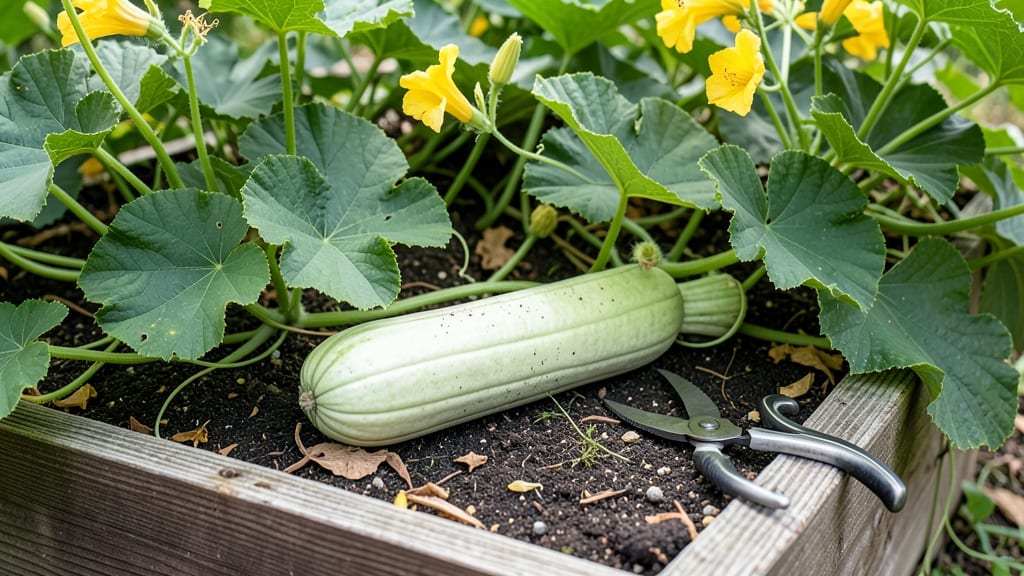
Freezing spaghetti squash is possible, but it changes the texture—raw squash turns mushy after thawing, while properly pre-cooked squash keeps a firmer structure. With the right preparation, you can store it for up to 12 months while preserving flavor.
Freezing spaghetti squash works best when you pre-cook it first. The key is preventing moisture loss and cell wall breakdown during freezing, which causes that unpleasant mushiness. 🔥 For cooked squash, let it cool completely before packaging in airtight containers or vacuum-sealed bags.
This method locks in flavor and texture for later use in soups, casseroles, or even roasted dishes. Raw squash can be frozen too, but it's best suited for cooked applications afterward—think blended soups where texture isn't critical.
When thawing, never refreeze—this further degrades quality. Instead, use it immediately in recipes where texture isn't the star feature. The best results come from treating your frozen squash like a pantry staple: store it properly and use it within 3-6 months for peak quality.
This approach turns spaghetti squash into a versatile ingredient for meal prep.
💡 In This Article
- How Freezing Affects Spaghetti Squash Texture
- Step-by-Step Guide to Freezing Spaghetti Squash Correctly
How freezing affects spaghetti squash texture
The freezing process disrupts spaghetti squash's cellular structure through ice crystal formation. When raw squash freezes, water inside its cells expands, creating microscopic tears in the cell walls. These ruptures cause the strands to lose their characteristic firmness and become mushy upon thawing—similar to how overcooked pasta loses its bite.
The squash's natural pectin, which gives it structure, also breaks down during freezing, accelerating this texture collapse.
Cooked spaghetti squash fares better because pre-cooking partially denatures the cell walls, making them more resilient to ice damage. When you freeze it properly (after cooling completely), the strands maintain a firmer texture, though they'll still be slightly softer than fresh.
The ideal cooking method before freezing is roasting at 375°F for 40-45 minutes, which caramelizes the natural sugars while preserving moisture. This creates a slightly chewy texture that holds up better during freezing.
The real enemy here is moisture loss during storage. Even in airtight containers, frozen squash slowly dehydrates, causing the strands to dry out and become brittle. That's why vacuum-sealing is superior—it removes nearly all air, preserving moisture and preventing freezer burn.
For best results, package cooked squash in 1-cup portions (the standard serving size) to thaw only what you need, minimizing texture degradation from repeated freezing cycles.
Temperature fluctuations in your freezer also play a role. A freezer maintaining -10°F or colder slows ice crystal growth, while warmer sections (like near the door) accelerate texture breakdown.
If your freezer isn't reliable, consider adding an extra layer of plastic wrap before the airtight container to create a moisture barrier. This simple step can extend usable storage from 6 months to the full 12-month range.
What most people don't realize is that even "properly" frozen spaghetti squash will never match fresh in texture. The strands will always be slightly softer and more prone to sticking together.
That's why it excels in recipes where texture isn't the star—think creamy soups, baked casseroles, or blended sauces where the squash's mild sweetness shines without needing that perfect al dente bite.
For visual comparison: Fresh spaghetti squash strands look like delicate, golden noodles when cooked, while frozen-thawed strands appear slightly thicker and more translucent at the edges. The flavor remains surprisingly intact, but the mouthfeel changes noticeably.
This is why many chefs recommend using frozen squash in dishes where it's mixed with other ingredients, like pasta blends or stuffed peppers, rather than as a standalone component.