
Vegetables
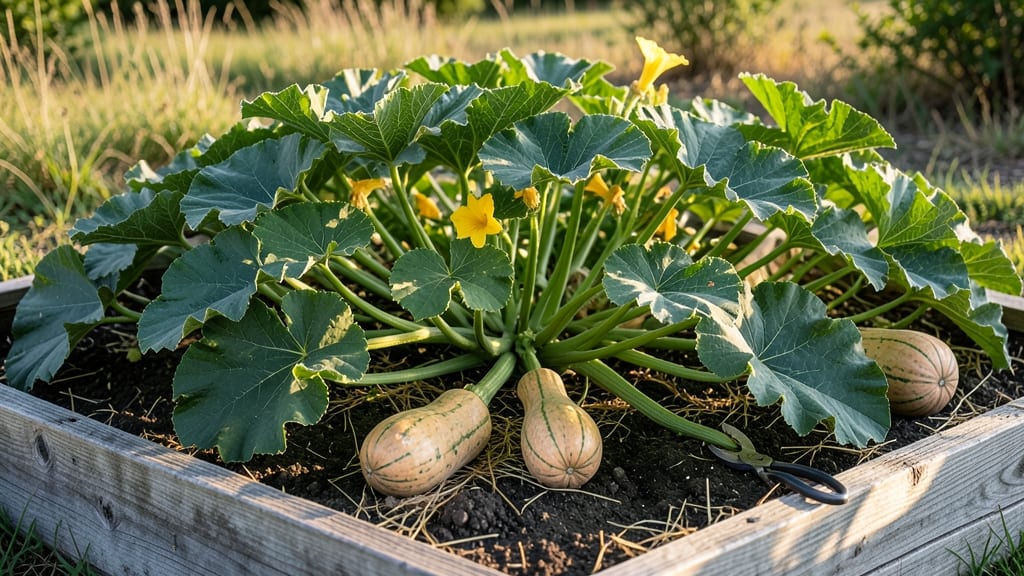
Butternut squash in Italian is called zucca dolce or zucca butternut, depending on the region, though zucca alone often refers to winter squash varieties. Traditional recipes use it in soups, risottos, and roasted dishes for its sweet, nutty flavor and versatile texture.
In Italian cuisine, this winter squash shines as a staple ingredient, prized for its natural sweetness and ability to absorb flavors beautifully. 🍂 The term zucca alone covers all winter squash varieties, but zucca dolce specifically highlights the delicate, sweet profile of butternut squash.
Many classic dishes—like creamy soups or hearty risottos—rely on its rich, caramelized notes when roasted or sautéed. What sets Italian preparations apart is the emphasis on seasonal cooking, where butternut squash becomes a centerpiece during autumn harvests.
For home cooks, the key to authentic flavor lies in proper preparation: peeling and cubing the squash before roasting it with olive oil, garlic, and fresh herbs like rosemary or sage. This method enhances its natural sweetness while keeping the texture tender.
Whether you're making a traditional zuppa di zucca or a rustic roasted dish, the butternut squash's versatility makes it a perfect canvas for Italian flavors.
💡 In This Article
- Italian Names for Butternut Squash and Their Regional Variations
- Authentic Italian Recipes Featuring Butternut Squash
Italian names for butternut squash and their regional variations
The Italian language treats butternut squash with regional specificity that reflects both geography and culinary tradition.
While zucca dolce (literally "sweet pumpkin") is the most common term nationwide, Northern Italy—especially Lombardy and Piedmont—often uses zucca butternut or zucca a forma di pera ("pear-shaped pumpkin") to distinguish it from other winter varieties. 🍠 In Tuscany, you might hear zucca di Genovese, named after the city where its cultivation became particularly popular during the Renaissance, when squash was introduced from the Americas.
What makes this terminology fascinating is how it reveals Italy's culinary hierarchy. The broader term zucca encompasses all winter squash, including delicata, acorn, and kabocha, but dolce specifically signals the sweeter, more tender flesh of butternut varieties.
This distinction matters because Italian recipes often call for specific textures—creamy soups (zuppa di zucca) require the silky flesh of butternut, while heartier dishes like tortelli di zucca might use slightly firmer varieties. The scientific reason?
Butternut squash has a lower moisture content (88% vs. 92% in delicata) and higher natural sugar concentration (6-8 grams per 100g), making it ideal for both sweet and savory applications.
Southern Italy takes a different approach, often omitting the dolce entirely and simply calling it zucca gialla ("yellow pumpkin") to describe its color. This regional variation stems from historical agricultural practices—southern farmers prioritized yield and storage ability over sweetness.
In Sicily, where caponata (a sweet-and-sour eggplant dish) reigns supreme, butternut squash might be called zucca dolce di America ("sweet American pumpkin") to emphasize its New World origins. This linguistic quirk highlights how Italian cuisine blends preservation traditions with colonial influences.
For home cooks, these regional names aren't just semantic—they offer clues about preparation methods. Northern Italian recipes tend to use butternut squash in creamy soups** (like minestrone alla zucca) or as a risotto base, where its natural sweetness balances acidic ingredients.
Southern preparations often roast or stuff the squash whole, pairing it with tomatoes and olives to create contrasting flavors. The key difference lies in the cooking time: Northern methods (30-40 minutes at 375°F) preserve tenderness, while Southern techniques (45-60 minutes) develop deeper caramelization.
What most people overlook is how these names reflect Italy's agricultural seasons. The term zucca autunnale ("autumn pumpkin") appears in harvest festivals across the country, signaling when butternut squash reaches peak flavor—typically between October and December.
This seasonal timing explains why Italian recipes often call for freshly harvested squash, as its sugar content increases during cold storage (a process called "cold sweetening"). For example, a 2-pound butternut squash harvested in November might contain 20% more natural sugars** than one picked in September.
To use these names correctly, start with the region's dominant term: zucca dolce for central/northern Italy, zucca gialla for the south. When shopping, look for squash with smooth, tan skin and a firm neck—these characteristics align with the zucca butternut description you'll find in Northern Italian cookbooks.
For authenticity, pair your squash with regional accompaniments: sage and pancetta in the north, chili peppers and anchovies in the south. The flavor difference is striking—Northern preparations highlight the squash's sweetness, while Southern versions embrace its earthy depth.