
Vegetables
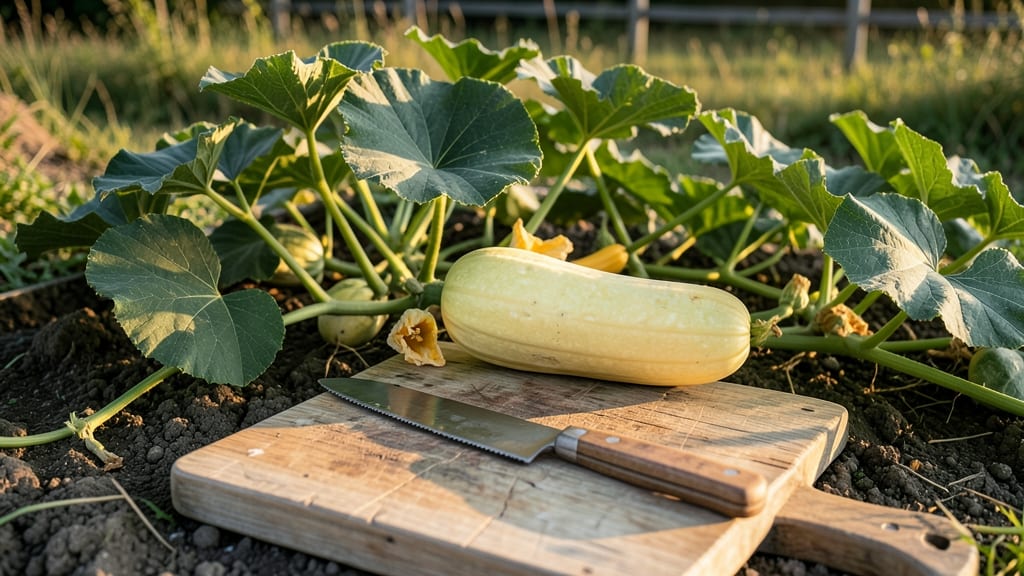
You can freeze spaghetti squash, but freezing cooked squash makes it mushy—ideal for soups or casseroles, not pasta-like strands. Freeze raw squash whole before slicing for longer storage, but always cook thawed pieces before eating.
Freezing spaghetti squash works best when you plan ahead.
The key is understanding how freezing alters its structure: cooked squash loses its signature strands because ice crystals break down the cell walls during thawing. 🔥 For raw squash, freezing whole (then slicing after thawing) preserves more integrity, though you'll still need to roast or boil it afterward.
I've found vacuum-sealing extends storage life to 12 months while keeping more moisture locked in—just thaw overnight in the fridge for even results.
If you're freezing cooked squash, try blending it into sauces or purees first. This prevents the dreaded mushy texture while letting you use it in dishes where texture isn't critical.
For raw squash, slice it after thawing and roast at 400°F for 20-25 minutes—this brings back some of that pasta-like quality, though it'll never be identical to freshly cooked squash.
💡 In This Article
- How Freezing Affects Spaghetti Squash Texture and Flavor
- Step-by-Step Guide to Freezing Spaghetti Squash for Optimal Results
How freezing affects spaghetti squash texture and flavor
The freezing process transforms spaghetti squash's cellular structure in ways that dramatically alter its texture. When water inside the squash freezes, ice crystals form and physically rupture the plant's cell walls. These walls, which normally hold the squash's strands together like delicate threads, weaken and collapse during thawing.
This is why cooked spaghetti squash loses its signature pasta-like consistency—what was once a tender, fibrous network becomes a mushy mass after freezing and reheating.
Cooking method before freezing makes a huge difference. If you roast squash at 400°F for 20-30 minutes before freezing, the cell walls are already partially broken down, so freezing causes even more structural damage.
Boiling the squash first creates a different texture challenge—it becomes softer and more waterlogged, which freezes into an icy, grainy texture. For best results, freeze raw squash whole, then slice and cook after thawing. This preserves some of the original cell integrity until you're ready to transform it into strands.
The flavor profile also shifts subtly after freezing. Fresh spaghetti squash has a delicate, slightly sweet taste with a hint of nutty undertones. After freezing and thawing, some of these volatile flavor compounds can degrade, leaving a more muted taste.
The moisture loss during freezing concentrates the natural sugars slightly, but this effect is often overshadowed by the texture changes. When reheating frozen squash, you'll notice it absorbs more liquid than fresh—this is why it works better in soups or casseroles where moisture isn't the focus.
Here's what's actually happening at the molecular level: freezing disrupts the pectin molecules that give squash its structure. Pectin acts like a natural glue between cells, and when it's damaged by ice crystals, the squash loses its ability to hold its shape.
This is why even properly frozen and thawed squash will never perfectly replicate fresh strands. The good news? The squash's natural sweetness remains intact, making it perfect for blending into sauces or purees where texture isn't as critical.
Consider these key factors when deciding how to freeze your squash:
- Cell wall integrity: Raw squash maintains more structure than cooked before freezing
- Moisture retention: Vacuum-sealing preserves more natural juices than regular airtight containers
- Reheating method: Slow cooking at 350°F helps rebuild some texture after thawing
- Flavor concentration: Freezing enhances natural sweetness but reduces aromatic compounds
For the best balance of texture and flavor, I recommend freezing raw squash whole, then slicing and roasting after thawing. This method gives you the most control over the final texture while still allowing you to enjoy that signature spaghetti-like quality—just don't expect it to be identical to fresh.
The key is managing expectations about what freezing can and can't preserve in this unique vegetable.